
For property owners in the competitive Monterey Bay rental market, a smooth tenant turnover is essential for protecting your investment. The period between tenants is high-risk, where overlooked damage can lead to costly repairs and stressful disputes. A meticulous tenant move out inspection checklist is your most powerful tool for mitigating these risks.
In fact, security deposit disputes are a common issue. Nearly 1 in 10 renters report problems getting their deposit back, often due to disagreements over property condition (Source: Apartment List). A standardized, thorough process removes ambiguity and ensures fairness for both parties.
This guide provides a detailed checklist to ensure nothing is missed, helping landlords in Monterey, Salinas, and Carmel conduct legally sound move-out inspections. Mastering this process safeguards your investment and reinforces your reputation as a professional, trustworthy property manager.
1. Document Existing Condition with High-Fidelity Photos and Video
The most critical step in any tenant move-out inspection checklist is creating irrefutable visual evidence of the property’s condition. High-quality photos and videos serve as the foundation of a dispute-proof process, providing a clear, unbiased record. This documentation directly supports any deductions from the security deposit and defends against potential legal challenges.
The Power of Visual Evidence
A written description can be subjective, but a time-stamped, high-resolution photo of a cracked tile or a large carpet stain is definitive. Compare this visual record directly against the move-in condition photos to accurately distinguish between normal wear and tear and tenant-caused damage. Without this baseline, any claims become a matter of “he said, she said.”
Torrente Property Management uses detailed, app-based inspections to create professional reports for our clients. You can achieve similar results using smartphone apps that streamline the documentation process and organize photos by room.
Actionable Tips for Flawless Documentation
Follow a systematic approach to create a comprehensive visual record:
- Establish a Baseline: Start with wide-angle shots of each room to capture the overall condition.
- Focus on Details: After wide shots, get close-ups of specific items: appliances, fixtures, flooring, windows, and walls.
- Provide Scale: For damages like holes or deep scratches, place a coin next to them to provide a clear sense of scale in the photo.
- Document Key Components: Photograph utility meter readings, the HVAC filter’s condition, and serial numbers on major appliances.
- Leverage Video: Walk through the property while recording video. Narrate what you see, calling out specific conditions and noting that appliances are working.
By creating this detailed visual library, you build a powerful, evidence-based foundation for your entire move-out procedure.
2. Wall and Paint Condition Assessment
After documenting the property’s overall state, focus on the walls and paint. This step involves a detailed evaluation of all interior surfaces for damage beyond normal wear and tear, such as holes, deep scratches, unauthorized paint jobs, or significant stains. A meticulous wall inspection is essential for accurately calculating security deposit deductions.
Distinguishing Wear from Damage
The key is to distinguish between acceptable, minor scuffs and tenant-caused damage. For instance, in our Salinas properties, we typically consider a few small nail holes for pictures as normal wear. However, a large hole from a mounted TV or widespread crayon marks are clearly damages.
Also, apply the “useful life” rule. If paint was old at move-in, it may be difficult to charge a tenant for a full repaint, as its value has depreciated over time.
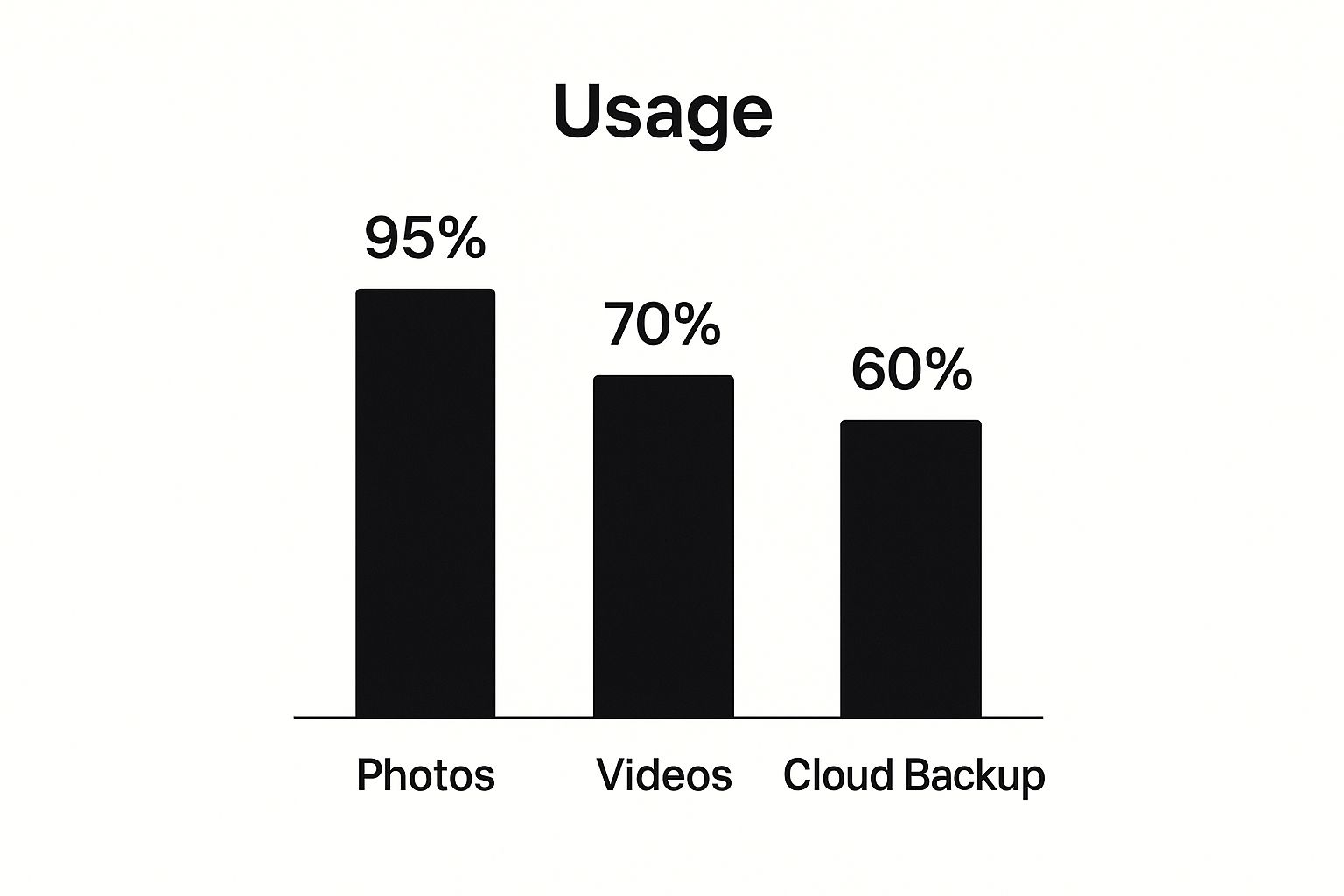
As the data shows, visual proof is paramount. High-quality photos and video walkthroughs create an undeniable record of the property’s condition.
Actionable Tips for Accurate Wall Assessment
Implement a systematic approach to inspecting walls and paint:
- Use Proper Lighting: Scan every wall with a bright flashlight held at an angle to reveal imperfections invisible in normal light.
- Know Local Standards: Be familiar with California’s guidelines on normal wear and tear. Generally, small pinholes are acceptable, but larger holes or unapproved paint colors are deductible damages.
- Document Every Flaw: Count and document every hole, scratch, or stain with close-up and wide-shot photos.
- Check Hidden Areas: Inspect behind doors and in areas formerly covered by the tenant’s furniture, which often hide impact marks.
- Create a Detailed List: Itemize each issue room by room with a repair cost estimate to provide clear justification for any charges.
3. Appliance Functionality and Cleanliness Check
A crucial part of any tenant move out inspection checklist is evaluating all property-provided appliances. These high-value assets are essential to the unit’s function, and their condition directly impacts turnover costs. A systematic check ensures items like the refrigerator, stove, and dishwasher are clean, fully operational, and complete.

Beyond a Simple Glance
Simply looking to see if an appliance is “clean” is not enough. Functionality is paramount. Your inspection must confirm that each appliance performs its core functions as intended, comparing its state to the move-in condition report.
At Torrente Property Management, we use detailed checklists with pass/fail criteria for each appliance function to maintain consistent standards. This professional approach ensures a fair evaluation for both property owners and tenants.
Actionable Tips for a Comprehensive Appliance Audit
Follow a detailed, hands-on testing protocol for every appliance:
- Test All Cycles: Run the dishwasher through a full cycle, checking for leaks and proper drainage. Test both the washer and dryer on various settings.
- Check Temperature Controls: Confirm the refrigerator and freezer are cooling correctly. Test the oven’s preheat function, broiler, and timers.
- Inventory All Components: A common oversight is missing accessories. Document that all refrigerator shelves, crisper drawers, oven racks, and burner pans are present and intact.
- Document and Photograph: Take photos of each appliance’s interior to show its cleanliness. A short video demonstrating any malfunction is powerful evidence.
This methodical approach creates a clear, defensible record for fair security deposit handling.
4. Flooring Condition Evaluation
A thorough assessment of all flooring is a non-negotiable part of any tenant move out inspection checklist. From carpet to hardwood, the floor’s condition is a major factor in determining turnover costs. This evaluation systematically compares the flooring’s state at move-out to the move-in report, distinguishing between normal wear and tear and tenant-caused damage.
The Financial Impact of Flooring
Flooring is a significant investment, and its condition directly impacts the unit’s appeal to prospective tenants. A stained carpet or a deeply scratched hardwood floor can increase vacancy periods. Properly documenting the floor’s condition provides the necessary evidence to hold tenants accountable for damages beyond normal use.
Many professional property managers use a carpet’s “useful life” schedule, typically 5 to 7 years, to calculate depreciation when assessing replacement costs. This standard ensures deductions are fair and legally defensible.
Actionable Tips for Accurate Flooring Assessment
Follow these methodical steps for a comprehensive flooring evaluation:
- Inspect All Areas: Do not limit your inspection to high-traffic zones. Check under any remaining furniture for hidden damage or stains.
- Use Bright, Consistent Lighting: Use a powerful flashlight or ensure all overhead lights are on to get a clear view of the entire surface.
- Check for Safety Issues: Walk across the entire floor, feeling for loose tiles, buckled planks, or frayed carpet edges that could be a tripping hazard.
- Document Damage with Precision: For stains, place a plain white paper next to the spot when photographing it for an accurate color reference. Use a coin for scale with scratches.
- Differentiate Damage Types: Note the specific nature of the damage. Pet-related damage, like urine stains, is almost never normal wear and tear and should be documented separately.
A meticulous flooring assessment protects your investment and ensures the property is ready for the next tenant.
5. Kitchen and Bathroom Deep Inspection
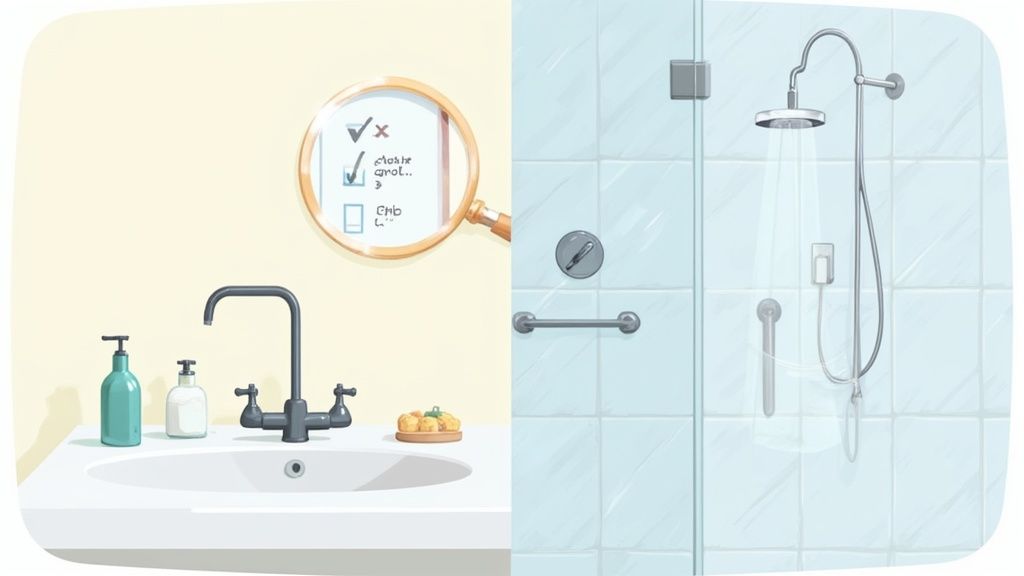
Kitchens and bathrooms are high-use areas that reveal the true story of a tenancy. A deep inspection of these rooms is essential for a thorough tenant move out inspection checklist. This process moves beyond surface cleaning to assess fixture integrity and find hidden issues like water damage or mold.
Why Detailed Scrutiny Matters
Small issues in these rooms can escalate quickly. A slow drip under a sink or a cracked grout line in the shower can cause significant water damage. A meticulous inspection protects your investment and ensures the next tenant inherits a safe, sanitary, and functional space.
This level of detail is a standard practice for managing properties in communities like Carmel, where high expectations demand flawless turnover. We use specialized checklists to compare the move-out state directly against move-in reports, leaving no room for error.
Actionable Tips for a Flawless Inspection
Focus on both cleanliness and function for a comprehensive inspection:
- Test All Plumbing: Run every faucet and showerhead to check water pressure and temperature. Flush all toilets to ensure they operate correctly and don’t run.
- Inspect Under Sinks: Use a flashlight to carefully inspect cabinets under all sinks. Look for active leaks, water stains, warped wood, or signs of mold.
- Examine Surfaces and Grout: Scrutinize countertops for stains or burns. In bathrooms, check tile grout and caulk lines for mildew or cracking.
- Check Cabinets and Drawers: Open every cabinet and drawer. Check for cleanliness, structural damage, and secure hardware.
- Verify Appliance Functionality: Test every function on all kitchen appliances. This proactive step identifies necessary repairs and justifies deposit deductions fairly.
Frequently Asked Questions (FAQs)
What is “normal wear and tear” in California?
Normal wear and tear refers to the natural deterioration that occurs over time from normal use. This includes minor scuffs on walls, faded paint, or light carpet wear in high-traffic areas. It does not cover tenant negligence, such as large holes, broken fixtures, or pet damage.
How long does a landlord have to return a security deposit in California?
In California, a landlord must return the tenant’s security deposit, along with an itemized list of any deductions, within 21 calendar days after the tenant has moved out. Failure to meet this deadline can result in penalties.
Can a landlord charge for a full repaint?
A landlord can typically only charge for painting if it’s necessary to repair damage beyond normal wear and tear. If the paint’s “useful life” has expired (usually 2-3 years), you generally cannot charge the tenant for a standard repaint.
What’s the best way to document property condition?
The best method is a combination of a detailed written checklist, high-resolution photos, and a walkthrough video. This creates a comprehensive, time-stamped record that is difficult to dispute.
Should I be present for the move-out inspection?
It is highly recommended that both the landlord (or their agent) and the tenant be present for the final inspection. This allows for immediate discussion of any identified issues and promotes a transparent, fair process for everyone.
From Checklist to Peace of Mind: Your Next Steps
A comprehensive tenant move out inspection checklist is a cornerstone of professional property management. It transforms the turnover process into a predictable, transparent, and fair procedure for you and your departing tenant. By diligently following this process, you actively preserve your investment’s value, minimize disputes, and enhance your reputation in markets like Monterey.
Key Takeaways for Proactive Landlords
To distill this guide into actionable wisdom, focus on these pillars:
- Documentation is Non-Negotiable: A detailed, time-stamped visual record is your most powerful tool. The move-in condition report is the baseline against which all future assessments are measured.
- Consistency is Key: Use the exact same detailed checklist for every move-in and move-out. This consistency demonstrates a fair, unbiased process for every tenant.
- Understand Local Laws: Always stay current with California landlord-tenant laws, especially concerning security deposit timelines and permissible deductions. As noted by the California Department of Real Estate, strict rules govern deposit returns.
A well-executed checklist provides more than just a clean property; it delivers peace of mind. It allows you to confidently manage turnovers, protect your assets, and maintain positive, professional relationships.
A thorough inspection process is vital but also time-consuming. If you prefer to focus on your investment goals, Torrente Property Management Inc. can help. We handle every step of the move-out process with professional precision, ensuring your Monterey Bay property is protected.
Contact Torrente Property Management Inc. today to secure your investment and streamline your operations. Call us at (831) 582-8916.