Meta Description: Understand California's warranty of habitability with this guide for Monterey Bay landlords and tenants. Learn the rules, rights, and responsibilities.
In California, every residential lease includes an unspoken promise: the warranty of habitability. This is a legal guarantee that a rental home is safe and livable. It’s a landlord’s duty to provide essentials like working plumbing, heat, and a pest-free home.
This implied warranty is the foundation of the rental agreement. In fact, California is home to over 17 million renters whose housing security depends on this rule (California Department of Finance). For property owners in Monterey County—from Salinas to Carmel—understanding this duty is key to avoiding legal trouble.
What Makes a Home "Habitable"?
The warranty of habitability is a core part of California law. You cannot sign it away in a lease. It ensures every rental home meets basic living standards.
This protection was established in the landmark 1974 case, Green v. Superior Court. This ruling placed the duty for property maintenance on landlords. It gave tenants legal options when their homes become unsafe.
What This Means for You
Understanding the warranty is vital for both landlords and tenants.
- For Tenants: You have the right to a safe home. You do not have to live with serious issues like a leaking roof, a broken heater, or a pest problem.
- For Landlords: You have a legal duty to make timely repairs. Proper maintenance protects your investment and keeps your tenants safe. For those who own property from afar, this is even more critical, as our guide on rental property management for out-of-town owners explains.
This principle guides the relationship between a landlord and a tenant. It sets the rules for a safe and secure home.
The Essential Checklist for a Habitable Home

So, what does the warranty of habitability in California require in practice? California Civil Code 1941.1 provides a clear checklist.
This list helps landlords in Salinas and Carmel with maintenance. It also helps tenants in Monterey identify valid repair needs.
Structural Soundness and Weather Protection
A safe home starts with a solid structure. This is vital in Monterey County, where coastal fog can test a building's strength.
Your rental must have a roof, walls, windows, and doors that keep wind and rain out. This prevents water damage, which leads to mold and rot. Landlords must also ensure the building is sound, including safe stairs and railings.
Functional Plumbing and Gas Facilities
Working plumbing is non-negotiable. Every rental unit must have plumbing and gas that met code when installed.
This includes a few key areas:
- Hot and Cold Running Water: Tenants must have access to both.
- Proper Drainage: All sinks, tubs, and toilets must connect to a working sewage system.
- Working Toilets: A clean, functional toilet is a basic need.
A slow drain is an annoyance, but a total plumbing failure can make a home unlivable.
Reliable Heating
California law requires a working heating system. Even with our mild coastal climate, a heater is a necessity for health and safety.
The system must be able to heat the main living areas. For more proactive advice, check out our property management tips to keep your property in top shape.
Safe Electrical Systems
Faulty wiring is a major fire risk. It is a clear violation of the habitability warranty. All electrical lighting and wiring must be safe and up to code.
This means working lights in each room and safe outlets. Any exposed wiring is a red flag that needs immediate attention.
Clean and Sanitary Conditions
A landlord must provide a clean rental free from pests and trash at move-in. This means no existing rodent or cockroach infestations.
The building and common areas must also be kept clean. Landlords must provide enough trash cans for tenants.
Essential Safety Features
A habitable home must be secure. The law requires several key safety features.
- Secure Locks: Every entry door needs a working deadbolt.
- Window Security: Windows that open must have a proper lock.
- Smoke and Carbon Monoxide Detectors: Landlords must install and maintain working smoke and CO detectors as required by law.
These features are essential for a tenant's safety. Following this checklist ensures a rental meets the legal standard for a safe home.
When a Landlord Fails to Make Repairs

What happens if a landlord breaks the warranty of habitability in California? A landlord must act after a tenant requests a fix. If they don't, the law gives tenants powerful tools to solve the problem.
For landlords in Monterey and Salinas, ignoring repair requests leads to legal trouble. For tenants, knowing your options helps you get your home back into a safe condition.
The First Step: Proper Notification
You must give your landlord a fair chance to fix the problem. Send a formal, written notice that details the issue. Allow a "reasonable" amount of time for the repair.
What is "reasonable"? It depends on the problem's seriousness. A broken heater in winter needs a faster response than a dripping faucet. Without a written record, a landlord can claim they never knew about the problem.
Tenant Remedy 1: The "Repair and Deduct" Option
If you give notice and the landlord doesn't act, you can use the "repair and deduct" remedy. You hire a professional to fix the problem and subtract the cost from your next rent payment.
However, strict rules apply:
- The repair cost cannot be more than one full month's rent.
- You can only use this option twice in a 12-month period.
- The issue must be a true habitability problem, not a cosmetic one.
Keep every receipt and give copies to your landlord to prove the expense.
Tenant Remedy 2: Withholding Rent
Withholding rent is another powerful but risky option. You may be able to stop paying rent if the property is truly unlivable and the landlord has failed to act.
This is a major step. It is wise to put the withheld rent money into a separate bank account. This shows you intend to pay once the repairs are made and strengthens your case in court.
Important: Withholding rent will likely lead to an eviction lawsuit. The landlord’s failure to maintain the property is a strong defense, but you should get legal advice before you stop paying rent.
Tenant Remedy 3: Moving Out
In extreme cases, a tenant may break the lease and move out. This is known as "constructive eviction." It means the conditions are so bad that the landlord has effectively forced you out.
This option is for severe problems, like a roof collapse or a total lack of water. Just like the other remedies, you must first provide written notice and give the landlord a chance to fix the issue. When a landlord fails to make major fixes, like costly structural repairs such as termite treatment, they are often in clear violation of their duty.
Understanding Your Role as a Tenant
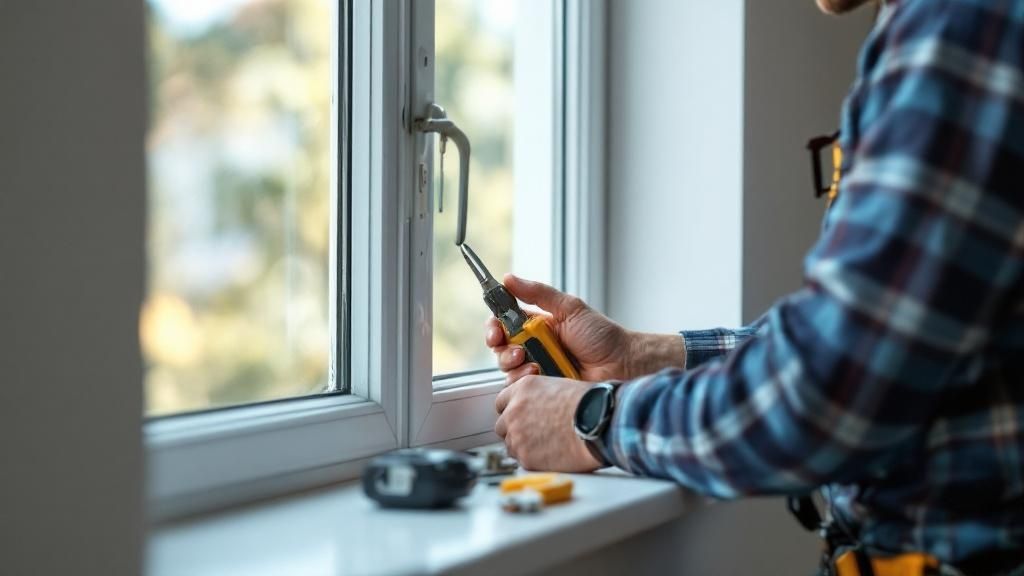
The warranty of habitability in California is a partnership. While landlords must provide a livable home, tenants also have responsibilities.
Understanding your role helps prevent disputes. It also builds a positive relationship with your landlord. As any property manager in Salinas will tell you, responsible tenants are always in demand.
Keeping Your Space Clean and Safe
Your basic duty is to keep your living space clean and sanitary. This means preventing conditions that could cause health hazards or damage the property.
Key responsibilities include:
- Proper Waste Disposal: Get rid of trash in a clean, safe way.
- Preventing Pests: Keep kitchens clear of food scraps to stop infestations.
- Avoiding Hazards: Do not create fire hazards or block emergency exits.
For example, if a drain is clogged with hair you let build up, fixing it is your job. But if old pipes are the cause, that's the landlord's problem.
Using Fixtures and Appliances Correctly
You must also use electrical, gas, and plumbing fixtures correctly. Operate appliances as they were designed to be used. Do not cause damage through misuse.
The law expects tenants to act with reasonable care. Willful damage to the property is a violation of your duties. It can lead to financial liability or even eviction.
The Duty to Report Issues Promptly
This is your most critical role. As the person living in the home, you are the first to notice when something goes wrong.
You must let your landlord know about serious problems right away. A small leak can turn into major water damage if you don't report it. Quick reporting allows the landlord to fix it before it becomes a bigger headache. It's also smart to learn about the steps you can take to help protect your home when renting.
Navigating Habitability Issues the Right Way
When a problem arises, how you handle it matters. For tenants and landlords in the Monterey Bay area, a clear process is key to solving issues before they become legal conflicts.
Following the right procedure protects everyone. It creates a documented case that turns a complaint into a formal request for action.
Step 1: Give Formal Written Notice
This is the most critical first step. A casual phone call is not enough. A formal written notice creates an official paper trail.
Your notice should be clear and specific.
- Describe the Problem in Detail: Be specific. Instead of "plumbing is broken," say "the toilet is constantly running."
- Include Dates and Times: Note when you first saw the issue and the date of the letter.
- Request a Specific Action: Clearly state that you are requesting repairs.
- Provide Your Contact Information: Make it easy for your landlord to reach you.
Send the notice via certified mail with a return receipt for undeniable proof of delivery.
Step 2: Allow a Reasonable Time for Action
California law requires you to give the landlord a "reasonable" amount of time to make repairs. "Reasonable" depends on the urgency.
No heat in winter is an emergency that needs action within a day or two. A cracked tile is less urgent and might take a few weeks to fix.
Step 3: Keep Meticulous Records
Documentation is your best friend. From the moment you see a problem until it's fixed, keep detailed records of everything.
Good records are not hard to keep. Use this checklist to build a solid case file.
| Documenting Habitability Issues: A Checklist |
| :— | :— |
| Documentation Step | Why It's Important |
| Photos & Videos | Visual proof is powerful. It shows the exact condition of the problem. |
| Communication Log | Creates a timeline of every interaction, proving you were proactive. |
| Copies of All Documents | This is your paper trail. It includes your notice and mail receipts. |
| Receipts for Related Costs | Receipts prove your financial damages if you had to buy a space heater. |
Step 4: Know Your Next Steps
If the landlord still hasn't fixed the problem, you have legal options. These include the "repair and deduct" remedy, withholding rent, or moving out. Because you have documented everything, you are in a stronger position to use these remedies.
For landlords, responding quickly is the best way to avoid conflict. Having strong tenant selection and screening practices helps ensure you have responsible tenants. Proper procedures protect your property and your reputation.
How Professional Management Upholds Your Rights
Navigating the warranty of habitability in California can be complex. Clear communication is the only thing that keeps small problems from becoming legal headaches. This is where professional property management makes a difference.
For property owners in the Monterey Bay area, a firm like Torrente Property Management turns a legal duty into a smooth operation. We use scheduled maintenance and regular checks to get ahead of problems. This approach protects your real estate investment from costly, unexpected repairs.
A Clear Process for Peace of Mind
For tenants, professional management means there is a reliable system for getting things fixed. Your rights are always a priority.
This infographic shows the typical repair timeline with a professional manager.
This structured process ensures issues are handled quickly. We use efficient systems, including real estate document automation solutions, to manage paperwork and communication. This ensures every landlord obligation is met, giving everyone peace of mind.
Protect your investment and ensure your tenants' rights are respected. Contact Torrente Property Management today at (831) 582-8916 to see how our expertise can bring calm and confidence to your rental property experience.
FAQs: California Habitability Law
Here are answers to common questions about the warranty of habitability in California.
Can I stop paying rent if my landlord won’t make repairs?
While you may have the right to withhold rent, you must follow a strict legal process. First, give your landlord formal, written notice and allow a reasonable time for the repair. Since not paying rent can lead to an eviction lawsuit, it is highly recommended to seek legal advice before taking this step.
What is a reasonable time for a landlord to make repairs?
"Reasonable" depends on the problem’s severity. An urgent issue like no heat in winter requires a fast response, often within 24-48 hours. A minor problem, like a dripping faucet, has a longer but still reasonable timeframe for repair.
Does the warranty cover things like AC or a broken garage door?
Usually, no. The warranty covers essentials like plumbing, heat, and safe electrical systems. Amenities like air conditioning or a pool are generally not included unless they were promised in your lease agreement.
What if I caused the damage myself?
The landlord is not responsible for repairing damage caused by you, your family, or guests. If you break a window or clog a drain through misuse, that repair bill is your responsibility. The warranty protects you from normal wear and tear.
Can my landlord evict me for requesting essential repairs?
No. It is illegal for a landlord in California to retaliate against you for exercising your legal rights. If a landlord tries to evict you or raise your rent within 180 days of a repair request, the law may see it as an unlawful retaliatory eviction.
Navigating these rules is what we do best. At Torrente Property Management, we handle maintenance and tenant communications with professionalism and integrity, ensuring every property is safe and every owner is protected. For peace of mind, visit us online at https://torrenteproperties.com or call us today.