When it comes to your rental property’s bookkeeping in 2025, the choice is simple. Do you want a tool that just logs numbers, or a partner who makes those numbers work for you? An app offers automation, but a property manager provides oversight, local expertise, and accountability—advantages software can’t replicate.
Setting the Stage for Financial Success
As a Monterey Bay landlord, managing your property’s finances is more than tracking rent checks. It’s about ensuring every dollar is accounted for, every local rule is met, and your investment delivers the best return. DIY accounting software promises to simplify this but often just shifts the burden of accuracy onto your shoulders.
This DIY approach creates new challenges. For instance, nearly 71% of investors using property management report higher profitability, often due to better financial tracking (Source: IREM). This shows that while apps help, the true value lies in professional oversight.
Core Differences: An App vs. a Manager
Let's compare how these two approaches handle daily financial tasks for your rental. This table breaks down the core differences at a glance.
| Financial Task | Bookkeeping App | Property Manager |
|---|---|---|
| Rent Collection | Automates reminders but you handle disputes and follow-ups. | Manages the entire process, including collections, late fees, and legal compliance. |
| Expense Tracking | Requires you to manually enter or sync and categorize every expense correctly. | Automatically tracks, categorizes, and pays all property-related bills from vendor invoices. |
| Financial Reporting | Generates basic reports, but you are responsible for interpreting the data. | Provides detailed monthly and year-end statements with expert analysis and tax-ready summaries. |
| Compliance | Offers no guidance on Monterey County trust accounting or security deposit laws. | Ensures full compliance with local and state regulations, protecting you from legal risks. |
While exploring the best accounting software for rental property is a good start, weigh its features against professional management. An app is a tool; a manager is a partner. For a deeper dive into software, check out our property management software comparison.
A manager’s role goes beyond data entry. They handle vendor negotiations, security deposit reconciliation, and financial planning—tasks software can't perform. This hands-on approach optimizes your rental income.
Where Software Fails: Accuracy and Compliance
Relying on an app for your rental property bookkeeping in 2025 feels efficient, but automation can’t see the whole picture. It logs transactions without understanding the story behind them. This is where an experienced property manager makes all the difference.
Imagine you finish a roof replacement on your Salinas rental. In your app, you might tag this as a "repair." An experienced manager knows that’s a capital improvement, which is treated differently for tax purposes.
Properly categorizing that expense—depreciating it over time instead of writing it off at once—can save you thousands and prevent an IRS audit. It's a level of judgment software doesn't have.
Navigating Monterey County Rules
Compliance is a web of state and local regulations that apps don't know. California has some of the strictest landlord-tenant laws in the country, especially regarding money.
A property manager is your compliance shield. They ensure every financial move—from collecting rent to refunding a security deposit—is by the book. This oversight is your best defense against tenant disputes and fines.
For any landlord in Monterey Bay, getting local details right is non-negotiable.
Key Compliance Areas a Manager Masters:
- Security Deposit Handling: California law is specific about how security deposits are held, documented, and returned. A manager navigates this process, including itemized deductions, to steer you clear of expensive legal battles.
- Trust Accounting: All tenant funds must be kept in a compliant trust account, separate from personal or business funds. Property managers are experts at maintaining these accounts, providing critical financial and legal protection.
- Local Ordinance Adherence: Cities like Monterey or Carmel have unique business license fees or utility billing rules. A local manager stays on top of these ordinances to help you avoid unexpected penalties.
The High Cost of Small Errors
An app is only as smart as the data you give it. One mistake can ripple through your financial reports, distorting your property's performance. For instance, misclassifying a partial rent payment could trigger incorrect late fees or throw off your income statements.
A property manager acts as a human checkpoint, verifying every transaction. They know the difference between maintenance and a capital upgrade, ensuring every expense is documented to maximize your returns. By identifying smart rental property tax deductions, a manager uncovers savings an app would miss.
The Hidden Costs of DIY Rental Bookkeeping
The low monthly fee of a bookkeeping app seems like a win. But the true cost of DIY rental property bookkeeping in 2025 is hidden. It shows up in lost hours, missed opportunities, and small mistakes that eat away at your profits.
The biggest cost is your time. Every hour you spend chasing receipts or reconciling bank statements is an hour you can’t get back. For busy owners with properties in Monterey Bay, that time drain is a serious liability.
The Real Price of Small Errors
Simple bookkeeping mistakes can snowball. An app processes what you feed it—it can’t flag a questionable entry. A tiny data error can cascade into bigger problems that drain your bank account.
Consider these common DIY pitfalls:
- Incorrect Late Fee Calculations: Miscalculating late fees costs you income and can spark tenant disputes.
- Miscategorized Expenses: Classifying a major appliance replacement as a simple repair could mean missing out on thousands in tax deductions.
- Inaccurate Tenant Billing: Mistakes in billing for utilities can damage tenant trust and lead to payment conflicts.
These little oversights add up. They can turn a profitable month into a disappointment. Each error is a slow leak in your investment's earning power.
Global Trends and Local Realities
As we look toward 2025, professional oversight is more critical than ever. Apps are great for routine tasks, but they can't replace the expertise needed to navigate risks like overpaying taxes or misclassifying income. You can explore more about these real estate accounting challenges and see why professional guidance is invaluable.
This is where you reframe a property manager's fee. It isn't just an expense; it's an investment in accuracy, compliance, and a healthier bottom line.
A professional manager doesn’t just record your financial history; they actively protect it. Their oversight prevents costly errors that DIY software can’t catch, turning potential losses into profits.
A manager’s system is built to catch these issues before they become liabilities. They ensure every charge is correct and every deduction is maximized. This diligence is crucial in a competitive market like Monterey Bay, where every dollar counts.
How a Manager Streamlines Your Financial Workflow
A property manager offers something no app can: an integrated financial system. Instead of patching together tools for rent, expenses, and maintenance, a manager ties every financial touchpoint into one fluid workflow. This creates a clear, real-time picture of your property’s performance.
For owners with properties in the Monterey Bay area, this is a game-changer. You are no longer the middleman between tenants, vendors, and your bank account. The manager acts as the central hub, delivering convenience and transparency to your owner portal.
From Maintenance Request to Paid Invoice
Let's walk through a common scenario. A tenant in your Salinas rental finds a leaky faucet.
- Tenant Submits Request: The tenant logs into their portal and submits a maintenance request with photos. This creates an instant digital record.
- Vendor is Dispatched: Your property manager alerts a trusted, pre-vetted local plumber. Torrente Property Management’s vendor relationships mean you get priority service and competitive pricing.
- Work is Completed: The plumber fixes the leak and invoices your property manager.
- Payment is Processed: The manager pays the invoice directly from the property’s operating funds.
- Your Statement is Updated: The expense and invoice are automatically logged on your monthly owner statement.
This entire process unfolds without you getting a single call. You simply see the final transaction in your report. This is the power of a managed system for rental property bookkeeping in 2025.
The Power of an Integrated System
A standalone app can track an expense after you’ve paid it, but it can’t manage the workflow. It can't field the request, coordinate with the vendor, or cut the check. Each step would require your direct involvement.
A property manager’s system connects every dot. It links tenant communication, maintenance, vendor payments, and financial reporting into a single, automated loop. This saves you time and creates an audit trail for every cent.
This integrated approach is the core of effective property management. Everything from a tenant's late fee to a repair bill is handled in one ecosystem. You can see how we achieve this through property management workflow automation and learn how technology and expertise combine to protect your investment.
Ultimately, this unified workflow delivers peace of mind. You can log into your owner portal from anywhere and see exactly where your property stands financially.
Turning Financial Data Into Portfolio Growth
Great rental property bookkeeping in 2025 is more than logging transactions. When done right, it turns raw data into a strategy for growth. An app shows you what you’ve earned and spent, but a property manager acts as a strategic financial advisor.
They don’t just hand you reports; they build a roadmap. By analyzing performance trends, a manager can spot opportunities an app would miss. This proactive role is what separates basic accounting from true asset management.
From Reports to Returns
A property manager’s value shines when they interpret data in the context of the Monterey Bay market. For example, they don’t just report that utility costs on a Carmel property are up 10%. They dig into the why and suggest solutions, like energy-efficient appliances.
They also analyze rent rolls to advise on smart rent adjustments that align with current Salinas and Monterey market rates. Translating complex financial data into actionable insights is crucial, a concept rooted in real estate business intelligence.
A manager oversees the entire financial cycle, connecting every dot from a tenant’s request to the final paid invoice.
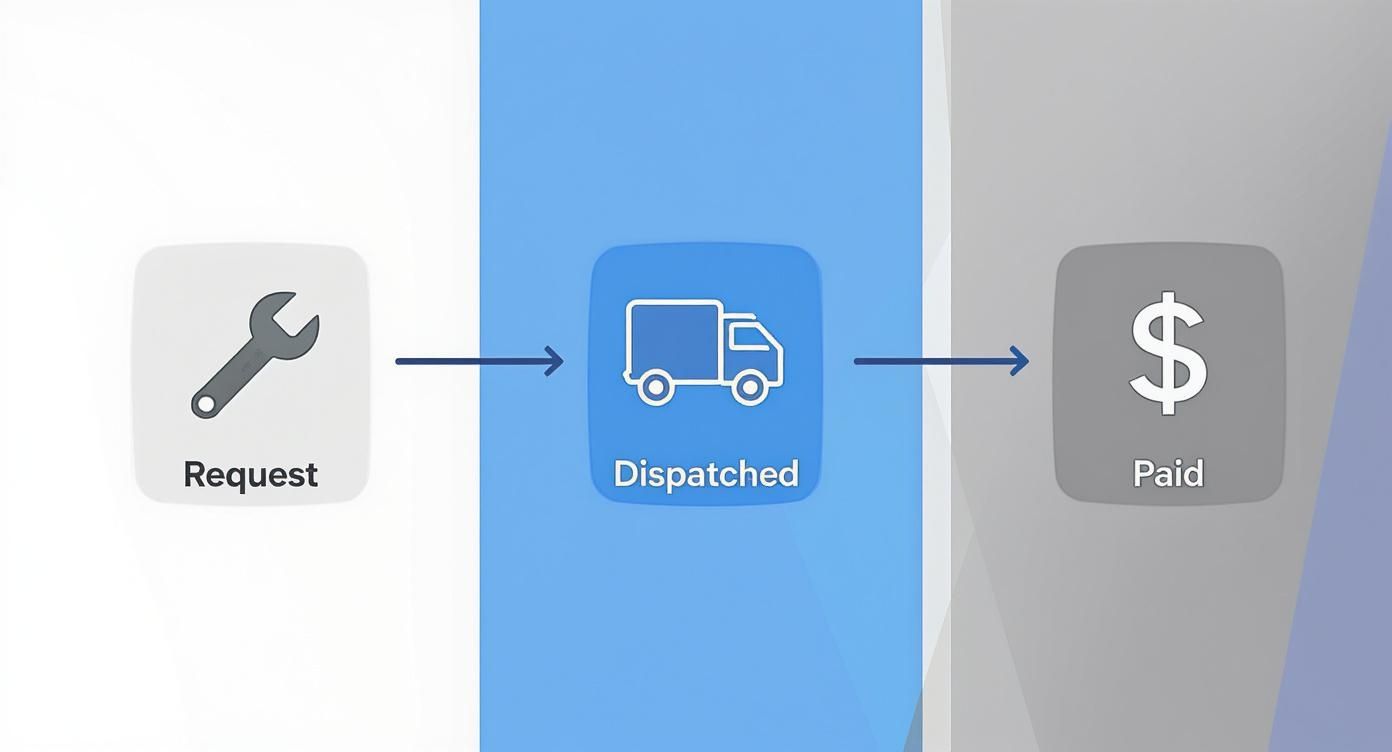
This process ensures every expense is tracked, justified, and integrated into your financial statements.
Strategic Planning for Long-Term Growth
An app looks in the rearview mirror, reporting on past transactions. A property manager uses that data to help you plan for the future. They advise on which capital improvements will deliver the highest return, helping you budget for big items long before they become emergencies.
This forward-looking guidance is vital. One forecast notes that 91% of property management firms expect to expand their portfolios, increasing bookkeeping complexity (Source: Buildium). Software helps automate simple tasks, but without a manager's expertise, you’re exposed to risks.
A manager’s goal isn’t just to balance your books today but to strengthen your property’s financial performance for tomorrow. They help you build a capital reserve and make smart decisions that boost your property's value.
This strategic oversight directly impacts your profitability. By managing expenses and optimizing income, a manager improves your bottom line. It all comes back to knowing what net operating income is and how it reflects your property’s health. An app can calculate that number, but only a manager can help you grow it.
FAQs: Rental Property Bookkeeping
Here are answers to common questions we hear from Monterey Bay landlords.
Can I use a bookkeeping app with a property manager?
You could, but it creates unnecessary work. A full-service property manager like Torrente already provides detailed owner statements that consolidate all income and expenses for you. Using a separate app means manually transferring data, which risks costly errors.
What financial reports should I expect from a manager?
At a minimum, you should receive a detailed monthly owner statement. This report should itemize all income and every expense, with copies of original invoices for transparency. At year-end, your manager provides a full summary and a Form 1099-MISC to make tax prep easy.
How does a manager handle local rules in Salinas or Carmel?
An experienced local manager is your compliance expert. They know the specific business license requirements, rent ordinances, and utility rules for each city in Monterey County. This local know-how is critical for avoiding expensive fines and legal headaches.
Is hiring a manager just for bookkeeping worth it?
A manager's fee covers a full suite of services beyond bookkeeping. This includes 24/7 maintenance coordination, professional tenant screening, rent collection, and lease management. The financial management piece alone often pays for itself by preventing costly mistakes and saving you time.
How does a property manager keep my financial data secure?
Reputable property management companies use secure, industry-specific software. These platforms feature data encryption, multi-factor authentication, and strict access controls to protect sensitive owner and tenant information. This offers a much higher degree of security than consumer-grade bookkeeping apps.
Whether you own one home in Salinas or several rentals across Monterey Bay, Torrente makes the numbers make sense—so you don’t have to. Contact us today at (831) 582-8916 for a walkthrough of our financial reporting tools and see how easy it is to manage your rental income with expert support.