
Think You’re Saving Money Managing Your Rental? Think Again
Thinking you’re saving money by managing your own rental property? It’s a common thought, but it often doesn't hold up in the real world. The truth is, self-managing is filled with hidden costs, legal risks, and time-consuming tasks that can wipe out your savings fast.
Hiring a professional isn't just an expense; it’s a smart investment in your property's value and your own peace of mind. In fact, many property owners don't realize the financial risks until it's too late. According to a Q4 2025 report, while 54% of landlords cite cost as their main reason for avoiding management, 71% of investors using property managers report higher profitability.
The True Cost of Managing Your Own Rental
Many property owners around Monterey Bay believe self-management is the best way to maximize profits. But this view often overlooks the real costs that add up long after the rent is cashed.
Let's be honest—DIY management means you get the late-night calls about a leaky faucet. You have to figure out how to market a vacancy. And you must understand California's complex landlord-tenant laws. Before you start, it's vital to accurately calculate rental income and be realistic about all the small costs that come with the job.
This infographic shows the juggling act that most DIY landlords face. It’s a lot to handle on your own.
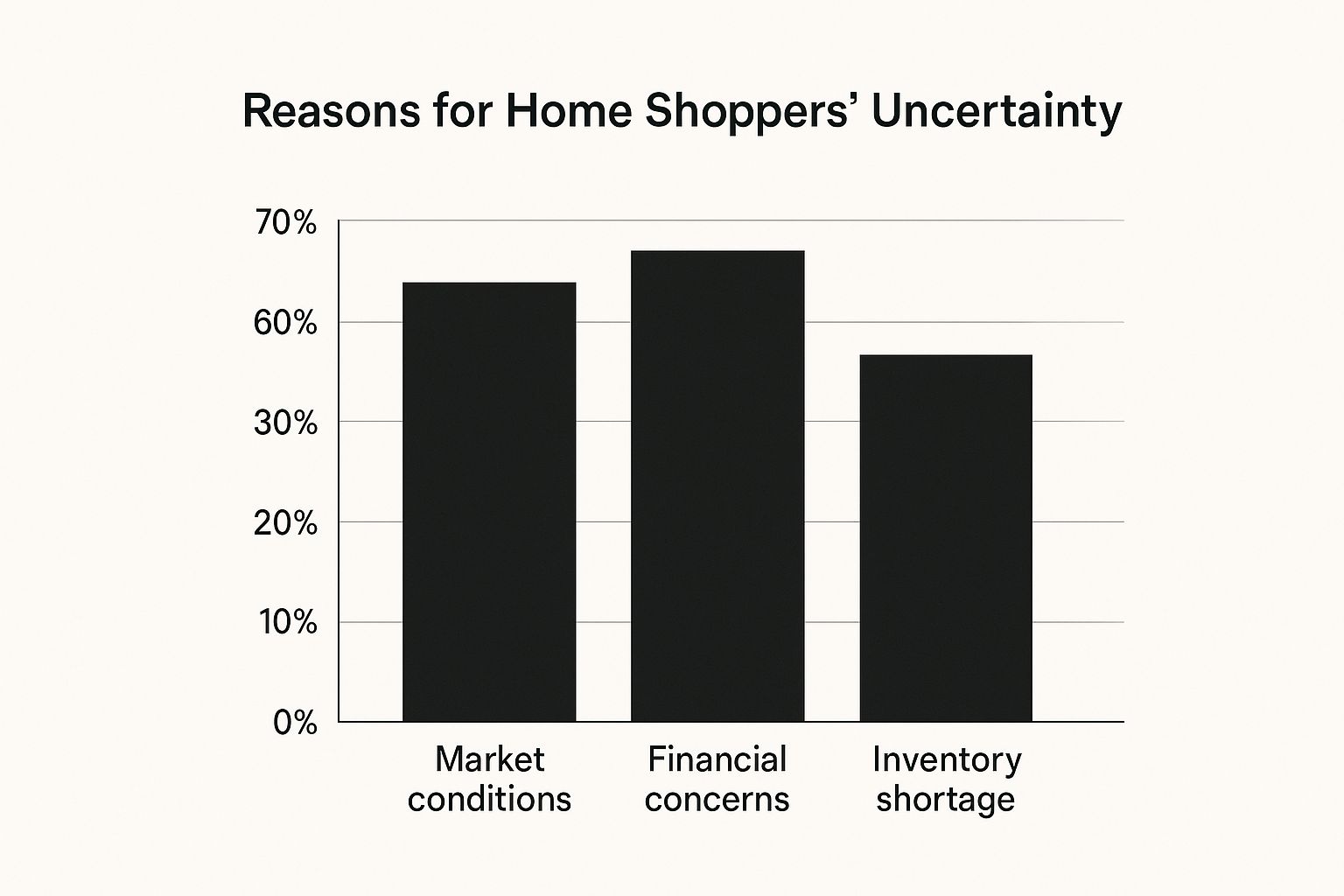
As you can see, the duties are demanding. They pull you in many different directions, making it hard to focus on growing your investment.
DIY vs. Professional Management: A Quick Cost Snapshot
A professional management fee is a clear, predictable cost in your budget. The costs of doing it yourself are not. Marketing might run you $100–$500 per year, and that's if you're lucky. Management software can easily cost $200–$600 annually. And basic repairs? They often land between $500 to $2,000 per year, assuming nothing major breaks.
Then there's the big one: evictions. Filing can cost $200–$500 per case, before legal fees. These are just some of the property ownership challenges without a property management company.
To make it clearer, let's break down how these common expenses compare.
| Expense Category | Typical DIY Cost | Included in Professional Fee |
|---|---|---|
| Tenant Screening | $25–$75 per applicant | Yes |
| Marketing & Advertising | $100–$500+ per vacancy | Yes |
| Legal Compliance | $200–$500+ for forms/advice | Yes |
| Maintenance Coordination | Your personal time + potential markup | Yes |
| Emergency Calls | 24/7 availability required (Your time!) | Yes |
When you see it laid out like this, it’s clear how the "savings" of DIY management can disappear. You trade one predictable fee for a list of separate, unpredictable, and often stressful costs.
A Detailed Financial Comparison
When you first think about managing your own rental, it's easy to focus on one thing. You see the 8-12% management fee you're avoiding and think, "I'm saving a lot of money!" But that's only half the story.
The real costs are the unpredictable expenses that pop up and fall on your shoulders. These costs can quickly become more than what you would have paid a professional manager.
Unpredictable Costs vs. Structured Fees
Let's look at one task: placing a new tenant. This involves marketing, showing the property, and running background checks. For a DIY landlord, the cost for this one job can easily eat up a month's rent. A professional manager bundles these services into their fee.
This shows the main difference between the two approaches: financial predictability. When you're on your own, you're always exposed to variable costs that can hit you unexpectedly.
A single bad tenant can lead to thousands of dollars in lost rent, property damage, and legal battles. One mistake like this can cost more than several years of professional management fees.
Look at how the costs break down. A professional's fee is usually a clear percentage. In contrast, a DIY landlord might face many separate charges:
- Leasing Fees: Often 50–100% of the first month's rent.
- Lease Renewal Fees: Typically $150–$300.
- Inspection Fees: Around $50–$200 per visit.
When you add potential eviction costs, the financial risk of going it alone grows much larger.
The Power of Professional Networks
One of the biggest financial benefits a professional manager has is their network, especially for maintenance. An established firm in the Monterey and Salinas areas has spent years building relationships with vetted, reliable vendors.
Because they give these plumbers and electricians consistent work, they get high-quality service at lower costs. This isn't just a small discount; it's a major operational advantage.
This directly improves your profit. Instead of paying extra for an emergency plumber, your manager makes one call to a trusted partner with preferred pricing. These savings don't just reduce your costs; they boost your property's profit. To understand the impact, it helps to know what is net operating income and how every dollar saved helps.
Ultimately, the structured fee of a professional manager is often more cost-effective. You’re not just paying for a service; you're investing in a system designed to protect and grow your asset.
The Hidden Cost of Your Time and Energy

When landlords calculate self-management costs, they often forget their most valuable asset: their time. The hours you spend being a landlord are a huge, non-refundable expense.
The hard truth is that property management is a 24/7 job, not a part-time hobby. You can lose dozens of hours each month showing the property, handling tenant complaints, and finding contractors. As one landlord shared, "I was missing my son's game to fix a toilet." That's the real cost.
The Opportunity Cost of Being a Landlord
Every hour you spend unclogging a drain is an hour you can't spend elsewhere. Economists call this opportunity cost. What could you be doing with that time?
- Growing Your Career: Could those hours be better spent on professional development?
- Expanding Your Portfolio: Time spent screening tenants could be used to find your next investment.
- Enjoying Your Life: Weekend showings and late-night calls are hours taken from family and friends.
For most busy professionals, the value of that lost time is greater than a management fee.
A Reality Check for Out-of-Area Owners
Imagine this: a military family stationed overseas gets a call at 3 AM about a burst pipe in their Carmel home. Now they're trying to find a trustworthy plumber in Monterey from thousands of miles away.
This scenario is a reality for many out-of-area owners. The stress and worry can turn a valuable asset into a source of anxiety.
Professional management buys back your freedom. Instead of being a full-time landlord, you become a passive investor. Modern systems make this easier, and our property management workflow automation gives you peace of mind, no matter where you are. It’s about protecting your property so you can focus on what truly matters.
Navigating California's Legal Labyrinth

If you think managing a rental is just about cashing checks, California will prove you wrong. The state’s landlord-tenant laws are some of the most complex in the country. For a DIY landlord, this legal maze is where savings disappear.
One small, accidental misstep can lead to severe penalties, lawsuits, and damages costing thousands of dollars. We’re not just talking about big mistakes; tiny oversights can be just as costly.
The High Stakes of Legal Compliance
Staying on the right side of the law demands constant attention and real expertise. These laws are always changing. A professional property manager acts as your liability shield, making sure every action is compliant.
Here are just a few common legal traps for DIY landlords:
- Fair Housing Laws: It's easy to use unintentionally discriminatory language in a rental ad. That mistake can trigger a costly lawsuit.
- Security Deposit Rules: California has strict rules for handling security deposits, including how much you can collect and the timeline for returns.
- Eviction Procedures: The eviction process is technical. One mistake on a notice can get your case thrown out, forcing you to start over while the tenant lives there rent-free.
- Mandatory Disclosures: Failing to provide required disclosures can void your lease and open you up to penalties.
For anyone who owns property here but lives elsewhere, especially military families unfamiliar with Monterey County ordinances, this legal oversight is a necessity.
A Costly Mistake in Monterey County
Let's walk through a realistic scenario. A landlord in Salinas has a tenant who has stopped paying rent. Feeling frustrated, the landlord sends a text message demanding the tenant be out in three days.
That single text is a critical error. California law requires a specific, written notice served in a particular way.
The tenant gets legal aid. The court dismisses the eviction and allows the tenant to sue the landlord for illegal tactics. Suddenly, that landlord faces thousands in legal fees and damages.
This is a perfect example of why you should think you’re saving money managing your own rental? think again. This entire nightmare could have been avoided.
Professional managers live and breathe these legal rules. They know the exact steps for every situation, protecting you from simple but devastating mistakes. To understand the scope, you can learn more about landlord-tenant laws in California and see why expert guidance is so important.
How a Pro Manager Maximizes Your Rental ROI
If you only look at expenses, it's easy to think self-management saves money. But a professional property manager is an investment designed to make you money. They shift the focus from cutting costs to maximizing your Return on Investment (ROI).
This isn't just about collecting rent. It's a strategic approach that uses market expertise and streamlined operations to protect your asset. Your property stops being a time-draining hobby and starts performing like the serious investment it is.
Setting the Right Rent from Day One
One of the fastest ways DIY landlords lose money is by mispricing their property. Set the rent too low, and you leave thousands on the table. Set it too high, and your property sits vacant for months.
A professional manager removes the guesswork. They conduct a deep market analysis of similar properties in your Monterey or Salinas neighborhood. This data-driven approach finds the sweet spot—high enough to maximize revenue but competitive enough to attract qualified tenants quickly.
Getting this first step right can boost your annual income enough to cover much of the management fee.
Reducing Vacancy and Tenant Turnover
Every day a property sits empty, it's losing you money. Professionals reduce vacancies with aggressive marketing and a thorough tenant screening process. They know where to advertise to find the best applicants.
More importantly, their screening is comprehensive. This includes credit checks, employment verification, and calls to past landlords. This is critical because it cuts down on turnover, a huge profit killer due to:
- Lost Rent: No income while the unit is empty.
- Turnover Costs: Money spent on cleaning, repairs, and marketing.
- Your Time: Hours you spend showing the property and vetting applicants.
Placing a high-quality tenant who pays on time and stays longer protects your cash flow.
Preserving Your Asset with Proactive Maintenance
Putting off maintenance is the silent killer of your ROI. A tiny leak today can become a costly mold problem tomorrow. When thinking about how managers maximize ROI, it helps to understand the significant ROI of outsourcing, which saves both time and money.
Professional managers don't wait for things to break. They use proactive maintenance schedules to catch small issues early. They also give tenants a simple way to report problems.
This approach doesn't just save you money on emergency repairs; it preserves the long-term value of your property. A well-cared-for home attracts better tenants, justifies higher rent, and grows in value over time.
FAQs: Answering Your Top Questions
Q: Isn't hiring a property manager just another expense?
A: While there is a fee, a good property manager is an investment that should pay for itself. We work to increase your profit by setting the right rent, reducing vacancies, and saving you money on maintenance and legal mistakes.
Q: How do you find better tenants than I can?
A: Our screening process is comprehensive and legally compliant. We run full credit and background checks, verify employment and income, and call past landlords to ensure we find reliable, long-term tenants for your property.
Q: What happens during a 2 AM emergency?
A: We handle it. Our team is available 24/7 for emergencies, so you don't have to be. We dispatch trusted local vendors immediately to protect your property and keep your tenants safe while you sleep soundly.
Q: I live out of the area. How do I know my property is cared for?
A: We offer total transparency through a secure online owner portal. You can access financial statements, view inspection reports with photos, and track maintenance anytime, from anywhere in the world.
Q: What is my time really worth?
A: Think about the hours you spend on landlord duties. If you could use that time to advance your career, find another investment, or simply be with family, the management fee often proves to be a worthwhile investment in your own life.
Making the Smart Choice for Your Investment
After looking at the true costs, the decision for your Monterey Bay rental comes down to a few key questions. It’s a choice that impacts your finances, your time, and your peace of mind.
For many owners, especially military families stationed far away or busy professionals in Carmel and Salinas, professional management is the most profitable path. Real savings are found by preventing costly mistakes, maximizing rental income, and getting your personal time back. If you’ve been managing your rental alone, ask yourself: what is a legal misstep worth? What happens during an emergency? Our guide on how to choose a property management company can help you start.
Torrente Property Management helps you avoid the pitfalls and maximize returns—with a local, experienced team that treats your property like our own.
Ready to stop being a landlord and start being an investor? Contact Torrente Property Management today at (831) 582-8916 for a free consultation. You can also learn more about our services.


Vacant, Not Vulnerable: Why Monterey Owners Need Professional Caretaking
Owning a home in Monterey is a dream for many. But what happens when that dream home has to sit empty? For military families on deployment, retirees with a second home, or anyone away for a while, an empty property can become a source of worry.
This is why many owners are turning to professional caretaking. It’s about more than locking the door and hoping for the best. It’s about making sure your empty house is secure, maintained, and ready for you when you return.
The Hidden Risks of an Empty Monterey Home
Leaving a nice home unattended in the Monterey Bay area is a big risk. While you're away, small problems can grow into expensive disasters. For instance, a slow leak under a sink can cause a flood, leading to thousands in water damage and a serious mold problem.
These aren't just imaginary fears; they are real worries that keep out-of-town owners up at night. The concerns go beyond simple cleaning. They include serious security and maintenance threats:
- Weather Damage: Our coastal storms can be rough. They can damage roofs, windows, or landscaping, letting wind and rain inside your home.
- Vandalism and Squatters: A home that looks empty is a target for trouble, from broken windows to people living there illegally.
- Pest Infestations: Without anyone around, rodents and insects can move in. They can cause major damage to wiring, walls, and more.
- System Failures: Heating and cooling systems can fail, and pipes can burst. If no one is there to act fast, the damage can be huge.
This infographic shows how quickly a beautiful home can fall into disrepair without a watchful eye.

Just like a classic car left outside, a home left alone risks losing its value. Regular checks are the only way to prevent this.
Protecting Your Investment
The Monterey real estate market is valuable. With home prices so high, these properties are major assets. Owners of these homes know that professional caretaking isn't just an expense; it's a key part of protecting their investment.
An empty home is a magnet for problems. Professional caretaking is not a luxury; it’s essential protection.
Besides physical damage, empty homes can have hidden issues. For example, understanding and protecting against mold risks is a big concern for any property left closed up, especially near the coast.
Knowing an expert is watching over your property brings real peace of mind. You can learn more about our vacant property inspections and upkeep in Monterey County to see how we keep your investment safe.
Vacancy Risks vs. Caretaking Solutions
It's easy to see the threats an empty property faces. But it’s more powerful to see how a professional caretaker service solves each one. Here’s a quick breakdown:
| Common Risk | How Professional Caretaking Helps |
|---|---|
| Water Leaks | Regular plumbing checks catch drips before they become disasters. |
| Pest Problems | Consistent monitoring stops pest issues before they get out of hand. |
| Security Breaches | Frequent visits make the home look lived-in, deterring troublemakers. |
| Storm Damage | Post-storm checks find roof, window, or fence damage for quick repairs. |
| System Failures | Systems are tested regularly to ensure they're working, preventing surprise breakdowns. |
| Overgrown Yard | Landscaping is maintained to avoid the look of a neglected property. |
This makes it clear. Professional caretaking is about preventing problems, not just reacting to them.
Why a Neighbor's Watchful Eye Isn't Enough
Many property owners ask a neighbor to “keep an eye on the place.” While a friendly favor is better than nothing, it can leave your home at risk. There’s a big difference between a neighbor’s casual glance and a professional caretaking agreement.
A neighbor might notice a tree that fell on your roof. But will they spot the signs of a slow water leak behind a wall? A neighbor might grab your mail, but they won’t be running your heat to prevent mold or checking your circuit breakers. This informal approach lacks the expertise needed for real protection.
From a Favor to a Formal Agreement
Professional caretaking turns that casual favor into a reliable service. You gain a partner whose job is to protect your home. This relationship is built on detailed inspections, clear communication, and quick action when issues arise.
Unlike a neighbor, a professional caretaker works on a set schedule with a clear checklist. They are paid to perform specific tasks and report back to you. This provides a level of trust that a simple favor cannot. Our guide on trusted home watch services in Monterey Bay explains how this formal approach protects your investment.
The Professional Inspection Checklist
A professional caretaker doesn't just "look around." They follow a detailed checklist to catch small problems before they become big ones.
A typical inspection includes checking for:
- Plumbing Systems: Looking for any sign of a leak under sinks, around toilets, and near water heaters.
- Electrical Panels: Checking for tripped breakers, which can be a red flag for a bigger problem.
- HVAC Operation: Running the heat and air conditioning to ensure they work and to circulate the air.
- Security Systems: Making sure alarms, cameras, and sensors are working correctly.
- Exterior Integrity: Inspecting the roof, gutters, windows, and siding for any damage from weather or pests.
- Signs of Pests: Actively looking for evidence of rodents or insects.
- Landscaping and Grounds: Ensuring the property looks lived-in and well-cared-for.
This high level of detail is what makes professional caretaking so effective. It ensures your home is vacant, not vulnerable.
What Professional Caretaking Actually Involves
Professional caretaking is not just asking a neighbor to grab your mail. It is a service designed to protect your valuable Monterey property. It’s about making sure your empty home stays secure and functional, just as you left it.
This is a formal agreement. It means a professional acts as your eyes and ears, following a strict plan to catch issues early. For owners, this means you know your investment is protected.
Regular Property Inspections: The Core of Security
The most important part of any caretaking plan is the regular property inspection. This is a detailed check of your home's interior and exterior.
During these visits, a caretaker will:
- Look for water: They check under sinks, around appliances, and in basements for any sign of leaks or moisture.
- Test key systems: They run the HVAC to keep air circulating, check the electrical panel, and make sure security systems are working.
- Secure the property: They check that all windows and doors are locked and look for signs of a break-in or vandalism.
Regular checks are also important for your homeowner’s insurance. Many policies can limit coverage on a home left vacant for more than 30 days.
Vendor Coordination and Maintenance
What happens if an inspection finds a dripping pipe? A professional caretaker doesn’t just text you the bad news. They manage the entire solution. With a network of trusted, local vendors in Monterey County, they handle repairs quickly.
Torrente Property Management offers caretaker services just for vacant homes. We handle everything from inspections and vendor coordination to emergency response. Our deep local knowledge and "treat it like our own" approach set us apart.
Emergency Preparedness and Response
Monterey’s weather can be unpredictable. A big part of professional caretaking is being ready for emergencies, like a winter storm or a system failure. Caretakers use strategies like implementing robust operational risk assessment templates to identify and manage risks before they become problems.
A professional caretaker is your first responder, ready to act 24/7 to protect your property and give you peace of mind.
This complete approach covers every angle of property protection. You can explore our vacant home caretaker services in the Monterey Bay to see how a plan can be tailored to your home’s needs.
Why the Monterey Market Demands Protection
The Monterey real estate market is unique. Property values are high, and the demand for housing is strong. This makes every home a huge financial asset. Leaving one empty without professional oversight is a gamble most owners won't take.
Local market conditions increase the risks for an empty home. For example, with so few houses available, a well-kept but empty home can attract unwanted attention, from vandalism to squatters. In this environment, an empty house is a visible target.
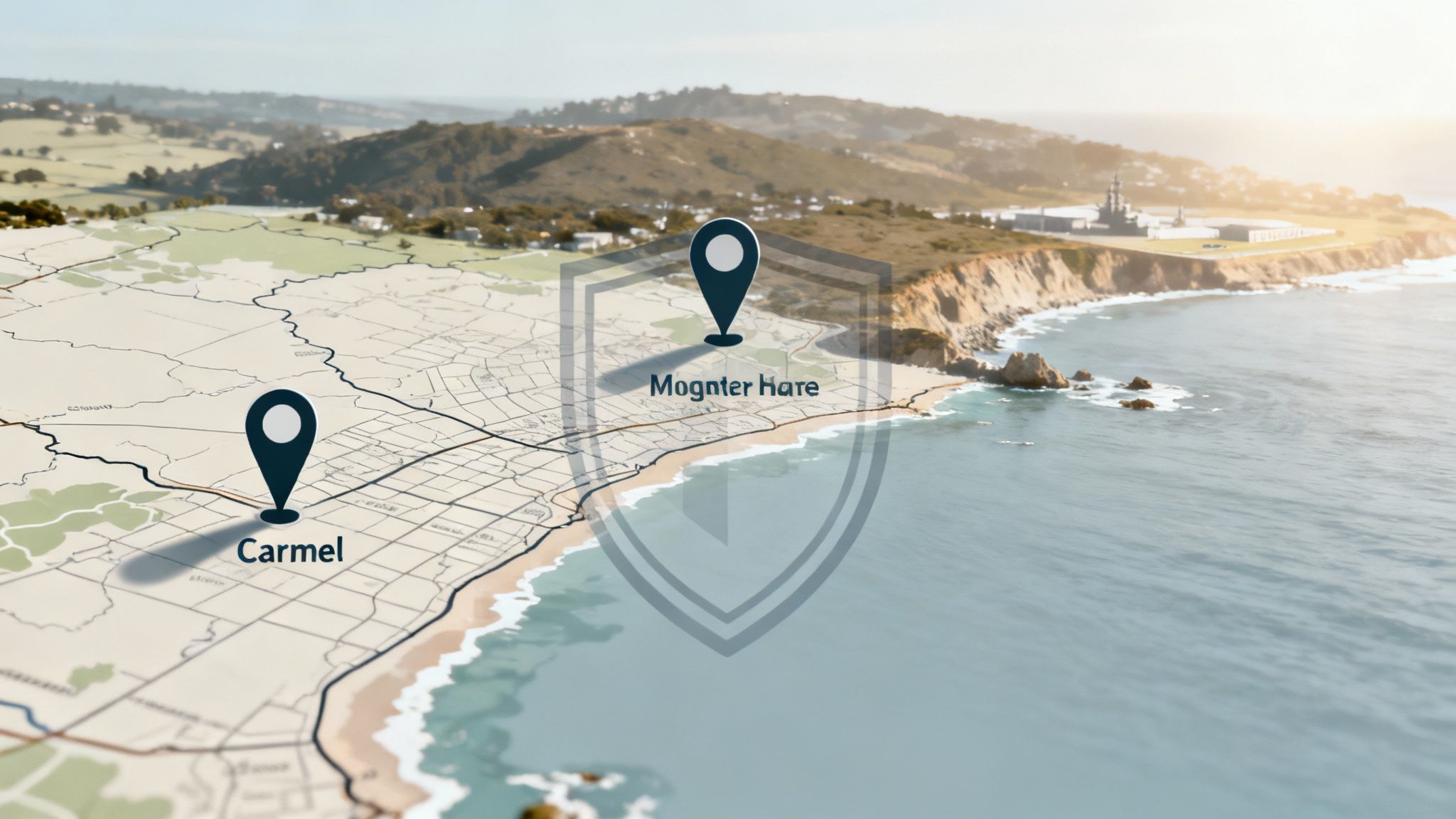
Why Local Market Data Matters
Local data tells a powerful story. For example, the homeowner vacancy rate in parts of Monterey has been incredibly low—just 0.2% between 2019 and 2023. This shows strong demand and confirms the high value of every home. You can learn more about local housing trends from Monterey County's data share.
What does a low vacancy rate mean for you? It means your empty property stands out. When nearly every other home is occupied, an empty one is more noticeable. It requires a higher level of security to stay safe.
In a market this competitive, an unoccupied property is an outlier. Professional caretaking helps your home blend in, signaling it is watched over, not abandoned.
Serving Monterey's Diverse Homeowners
This need for protection is felt across our community, from Carmel to local military bases. Second-home owners in Carmel need to know their retreat is safe from winter storms. Military families stationed nearby need a partner to look after their home during deployments.
These situations demand a local solution. It’s not just about watching a property; it’s about understanding the challenges of the Monterey market. This local expertise is at the heart of our property management in Monterey County, CA.
Choosing the Right Caretaker for Your Monterey Home
Picking someone to look after your Monterey property is a big decision. This is not just about hiring someone to stop by. It's about finding a true partner who will care for your home as you would.
Make the right choice, and you gain peace of mind. Make the wrong one, and you could face big problems.
With high rental demand, more owners are holding onto their properties. This has led to a rise in second-home ownership. Today’s owners rely on real expertise and expect personal service.
Key Qualities to Look For
When you look for a caretaker, look for someone with deep roots in the Monterey Peninsula. They should understand our coastal climate and properties. A good track record and clear communication are essential.
First, your caretaker must be fully licensed and insured. This protects you from liability. They also need a network of trusted local vendors. You want someone who can get a reliable plumber or roofer to your property quickly.
Questions to Ask a Potential Caretaker
Treat this process like a job interview. Asking the right questions helps you compare providers. It's a similar approach to the one in our guide on how to find a good property manager.
Here are the questions you should ask any potential caretaker:
- Are you fully licensed and insured in California? This should be your first question. Ask for proof.
- How do you report your inspections? Look for detailed digital reports with photos. This creates a clear record of your home's condition.
- What is your emergency plan? What happens if a pipe bursts at 2 AM? You need to understand their process for urgent issues.
- Do you have a network of trusted local vendors? A long list of reliable contractors is a great sign of a respected professional.
- Can you provide references from other Monterey homeowners? Talking with current clients is the best way to check on their service.
Asking the right questions helps you choose a partner who will ensure your home remains vacant, not vulnerable.
Your Property Is Secure, and So Is Your Peace of Mind
Letting your Monterey home sit empty shouldn't mean leaving it vulnerable. An unoccupied property faces serious risks, from burst pipes and storm damage to break-ins. We’ve also seen why a neighbor’s check-in is not enough for a valuable home.
Choosing a professional caretaker is a smart move to protect your investment. It replaces worry with trust. You know your property is being watched by local experts who treat it like their own. This proactive approach keeps your home secure and ready for you.
We Make Your Asset Our Priority
You can't put a price on the peace of mind that comes from knowing your property is in good hands. Professional caretaking is the complete answer. It ensures every detail is handled, from routine inspections to emergency response.
Your Monterey property is a major asset. Trusting its care to a dedicated professional is a wise investment in its value and your peace of mind.
You don't have to leave your home's fate to chance. Whether you're a snowbird, stationed overseas, or planning a long vacation, Torrente Property Management has services to give you confidence and security.
If you’re planning to be away, don't leave your home’s well-being up in the air. Contact Torrente Property Management today at (831) 582-8916 to learn about our caretaker plans or to schedule a free consultation.
FAQs About Vacant Home Caretaking
Leaving your Monterey home empty can bring up a lot of questions. It's normal to wonder about the best way to protect your property. Here are answers to some common questions we hear from homeowners.
Is professional caretaking the same as property management?
That’s a great question. A property manager focuses on renting a home to tenants. A professional caretaker, however, specializes in the security and upkeep of a vacant property, ensuring it stays in perfect condition until you return.
Will my homeowner's insurance cover my vacant property?
This is a critical point. Most standard insurance policies have a "vacancy clause." This can limit or even void your coverage if the house is empty for too long, often just 30 to 60 days. Our regular, documented inspections can help you meet insurer requirements to keep your coverage.
How often should my vacant home be inspected?
The right schedule depends on your property and insurance needs. However, most of our caretaking plans include weekly or bi-weekly inspections. This allows us to catch small issues like leaks before they become big, expensive problems.
What happens if you find a problem during an inspection?
If we spot an issue, we contact you right away with a detailed report and photos. Then, we use our network of trusted local vendors to manage the repair from start to finish. You won't have to worry about finding a reliable contractor from far away.
Who uses vacant home caretaking services in Monterey?
Our clients include a wide range of property owners. We serve military families deployed from local bases, retirees who are "snowbirds" for the winter, and people who own a second home in beautiful areas like Carmel. Anyone who plans to be away for an extended period can benefit from our services.

Top 6 Mistakes in House Rental Management Salinas Owners Must Avoid
Owning a rental property in Salinas is a great way to build wealth, but the local market has its own set of challenges. Many property owners lose money and time on mistakes they could have easily avoided. According to TransUnion, finding a new tenant after one leaves can cost over $4,000 per vacancy. One small slip-up can lead to big financial and legal problems.
This guide will show you the top mistakes in house rental management Salinas owners must avoid. With over 23 years of experience in Salinas, we offer expert advice to protect your investment. You will learn how to avoid common problems with tenant screening, legal rules, property upkeep, and finances. Knowing these challenges ahead of time helps you run a smooth, profitable rental.
1. Poor Tenant Screening
In a busy market like Salinas, you might feel rushed to find a tenant. This pressure can lead to one of the biggest mistakes in house rental management: not screening tenants properly. A quick decision to get rent coming in can cause long-term problems.
The Real Cost of a Bad Tenant
Choosing the wrong tenant can lead to late rent, property damage, or a costly eviction. For example, a local Salinas landlord once skipped checking a new tenant's job to fill a vacancy fast. The tenant lost their job soon after, leading to a six-month eviction process that cost thousands in lost rent and legal fees.
A thorough screening process is your best defense. We once had an applicant who looked great on paper, but a call to their previous landlord revealed a history of property damage that didn't show up on a credit report. This simple step saved our client from thousands in potential repairs.
Expert Insight: "A few weeks of vacancy is better than months of dealing with a bad tenant. At Torrente Property Management, our detailed screening process is the key to protecting our clients' investments."
How to Screen Tenants the Right Way
A good screening process looks at the whole picture, not just a credit score.
- Verify Income: Don't just look at pay stubs. Call the applicant's employer to confirm they have a stable job.
- Check Rental History: Talk to previous landlords to ask about payment history and how they cared for the property.
- Run Full Background Checks: Use a professional service to check for credit history, criminal records, and past evictions.
- Be Consistent: Use the same screening rules for every applicant to follow Fair Housing laws.
The infographic below shows why a good screening process is so important.
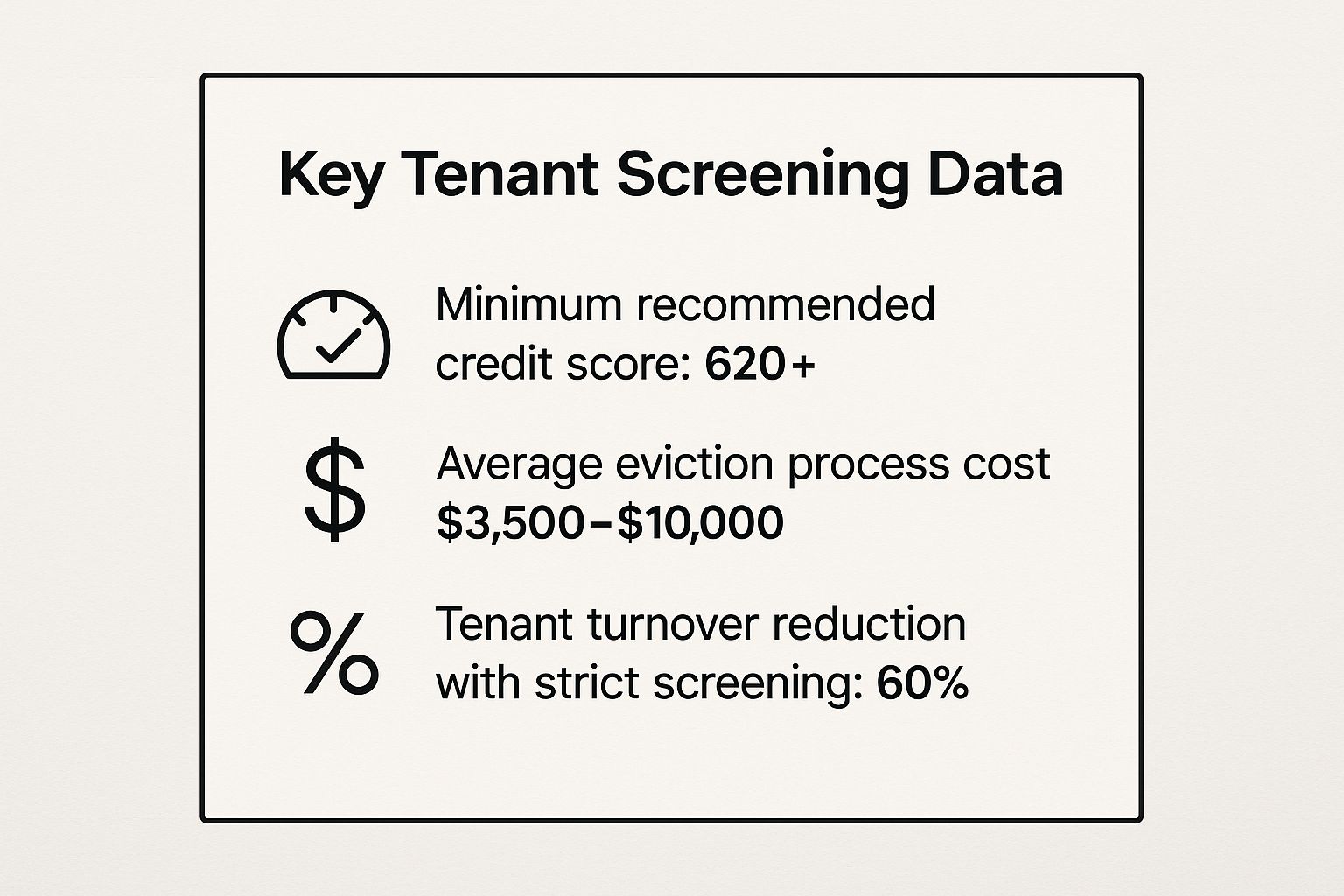
As you can see, the cost of an eviction is high. Taking the time to screen properly saves you money and stress. For more tips, check out our guide on tenant selection and screening tips.
2. Ignoring California's Strict Landlord-Tenant Laws
California has some of the toughest landlord-tenant laws in the country. A major mistake Salinas owners make is not knowing these rules. Not following the law, even by accident, can lead to expensive lawsuits and fines.
The High Price of Legal Mistakes
Breaking state or local rules can have serious outcomes. For example, a Salinas landlord entered a tenant's apartment without giving the required 24-hour notice. The tenant sued, and the landlord had to pay a $5,000 settlement.
Simple mistakes can wipe out months of profit. From handling security deposits incorrectly to giving the wrong notice for a rent increase, there are many legal traps for owners who aren't careful.
Expert Insight: "In California, what you don't know can definitely hurt you. You can't just use common sense to manage a property. Following the law is essential to avoid court."
How to Stay Compliant
To protect your investment, you must stay up-to-date on all regulations.
- Use the Right Forms: Always use California-specific lease agreements from a trusted source like the California Association of Realtors.
- Understand Notices: It's vital for Salinas owners to avoid common mistakes with legal notices in California, as a small error can get an eviction case thrown out.
- Get Professional Advice: Partnering with a knowledgeable property manager is often the easiest way to stay compliant.
- Keep Good Records: Document every conversation, notice, and repair request to create a clear record.
Following the law helps you manage your Salinas rental with confidence. To learn more about state rules, read about landlord-tenant laws in California.
3. Neglecting Property Maintenance
Another costly mistake Salinas owners must avoid is putting off repairs. Trying to save money by delaying small fixes often leads to bigger, more expensive problems later. It also leads to unhappy tenants and a lower property value.

The snowball effect of delayed repairs
Putting off maintenance costs a lot more in the long run. We once took over a property where a small roof leak was ignored for months. It turned into a $15,000 mold and repair problem that could have been fixed for a few hundred dollars.
Our 24/7 maintenance services help prevent these issues. Quick responses show tenants you care and stop small problems from becoming disasters. This is especially true in the Salinas market, where our bilingual team can communicate clearly with all tenants about their maintenance needs.
Expert Insight: "A dripping faucet today is a flooded kitchen tomorrow. Responding to maintenance requests quickly is not just good service—it's risk management. It shows tenants you care, which makes them want to stay longer."
How to Stay on Top of Maintenance
A clear plan for maintenance keeps your property safe and profitable.
- Schedule Regular Tasks: Plan for seasonal jobs like cleaning gutters in the fall and servicing the HVAC in the spring.
- Budget for Repairs: Set aside 1-2% of the property's value each year for maintenance. This prevents financial surprises.
- Inspect Your Property: Check the property twice a year to find and fix problems early.
- Respond Quickly: Have a system to answer tenant maintenance requests within 24 hours. This builds trust.
A well-kept property attracts good tenants and protects your income. For professional help, learn about our property maintenance services in Salinas.
4. Setting the Wrong Rental Price
Pricing your Salinas rental is a balancing act. One of the top mistakes in house rental management is setting the rent too high or too low. Pricing too high leads to long vacancies, while pricing too low means you lose out on income.

The Cost of a Pricing Mistake
A pricing error can cost you a lot of money. One Salinas owner priced their home too high, and it sat empty for four months. This cost them over $8,000 in lost rent. Another owner priced their unit too low and lost $3,000 in income over a year.
Your rental price should be based on data, not a guess. The Salinas market changes based on local jobs and seasons, so you need to stay current.
Expert Insight: "Your rental price is a marketing tool. An incorrect price pushes away good tenants. A price based on market data is the only way to get the best return."
How to Price Your Rental Strategically
To avoid this mistake, use a market-driven approach.
- Do Your Research: Look at similar properties in Salinas on sites like Zillow to see what they are renting for.
- Consider the Season: Rental demand in Salinas is often higher in the late summer. Adjust your price to match seasonal trends.
- Price Competitively: Setting your price just under the market average can attract more qualified applicants.
- Review Annually: Check the rent price each year to make sure it is still in line with the market.
A correctly priced property should rent in less than 30 days. If it sits longer, the price is probably too high.
5. Using a Generic Lease Agreement
Downloading a generic lease from the internet is a dangerous mistake. Your lease is a legal contract that protects you. A weak or outdated lease leaves you open to arguments and financial loss.
The Dangers of a Bad Lease
A lease that is not specific to California law may not hold up in court. For example, a Salinas landlord used a generic template with a late fee clause that was invalid in California. They lost hundreds in uncollected fees.
Your lease should be a strong shield for your investment. It must set clear rules and expectations for both you and your tenant.
Expert Insight: "A lease is your most important legal tool. Using a generic template is like building a house without a foundation. It will fall apart, and the cleanup will be expensive."
How to Create a Strong Lease
A good lease is detailed, specific, and follows all local and state laws.
- Start with a Compliant Template: Use a California-specific lease from a trusted source, like the California Apartment Association (CAA).
- Get a Legal Review: Have a lawyer look over your lease to make sure it is customized for your property.
- Include All Disclosures: Make sure your lease includes all required California notices, like those for lead paint or mold.
- Be Clear: Clearly define rules for parking, guests, pets, and noise to avoid future arguments.
A professional lease prevents problems before they start. It is a key step that Salinas owners cannot afford to skip.
6. Trying to Do It All Yourself
Trying to manage a property on your own without the right knowledge or time is a common mistake. Saving on a management fee seems tempting, but it can lead to bigger losses from mistakes and stress.
The True Cost of DIY Management
Self-managing a property can feel like a second job. One local landlord with a busy career missed a tenant’s calls about a small leak. The delay turned a minor fix into an $8,000 water damage repair, and the tenant legally withheld rent.
The hidden costs include legal fees, lost rent, and your own time and stress. Learning how to delegate tasks effectively is key for any investor.
Expert Insight: "Self-management isn't about saving a fee; it's about taking on another job. If you don't have the time to be a responsive and compliant landlord, you're not saving money—you're risking your investment."
When to Get Professional Help
An honest look at your time and skills is important. If you are struggling to keep up, it may be time for a change.
- Value Your Time: How much is your time worth? Often, the hours you spend on your rental cost more than a management fee.
- Build a Team: If you self-manage, create a list of trusted plumbers, electricians, and other vendors before you need them.
- Consider a Partner: A professional property manager handles the daily tasks, from leasing and maintenance to legal compliance. This frees you to focus on your life while your investment grows.
Recognizing when to ask for help is the smartest decision a landlord can make.
Frequently Asked Questions (FAQs)
What is the biggest mistake a new landlord in Salinas can make?
The biggest mistake is poor tenant screening. Rushing to fill a vacancy without a thorough background check often leads to costly evictions, property damage, and lost rent down the line.
How can I make sure my lease is legal in California?
Always use a lease agreement form from a reputable source like the California Association of Realtors (CAR) or have a local real estate attorney review your document. Generic online templates often miss state-specific clauses and required disclosures.
How much should I save for maintenance and repairs?
A good rule of thumb is to set aside 1-2% of your property's value annually for maintenance. For a $500,000 home in Salinas, that would be $5,000 to $10,000 per year.
Is professional property management worth the cost?
For many owners, yes. A good manager saves you time, reduces stress, and often prevents costly mistakes related to legal issues, maintenance, and tenant turnover. The fee is often offset by lower vacancy rates and better financial performance.
How does Torrente Property Management handle communication with tenants?
We offer bilingual (English/Spanish) support to ensure clear communication with all tenants in the diverse Salinas community. Our team is available 24/7 for maintenance emergencies, and we use an online portal for routine requests and rent payments.
Avoid These Mistakes and Protect Your Salinas Rental
Successfully managing a rental in Salinas requires more than just collecting rent. By avoiding these common mistakes, you can protect your investment and ensure it remains a profitable asset. From thorough tenant screening to understanding California's laws, being proactive is the key to success.
If you want to avoid the top mistakes in house rental management Salinas owners must avoid, the team at Torrente Property Management Inc. can help. With over 23 years of local experience, we provide the expert oversight and bilingual support you need. Contact us today for a free property consultation.
Call our Salinas Line at (831) 273-0806 or visit us online at Torrente Property Management Inc..

Maximize Your Salinas Rental ROI: A Homeowner's Guide
Owning a rental property in Salinas should build wealth, not create a stressful second job. Many landlords believe self-managing saves money, but the reality is often the opposite. Hidden costs from vacancies, legal mistakes, and time spent on day-to-day issues can quickly erode your profits.
Maximizing your return on investment (ROI) isn't about cutting corners. It's about a professional strategy that treats your property like the serious asset it is. In fact, properties managed by professionals often see a 5-10% higher ROI than self-managed properties, according to industry data from sources like iPropertyManagement.com. Full-service management is an investment in your property's long-term financial health, not just another expense.
The Real Cost of Self-Managing a Salinas Rental
Choosing to manage your Salinas rental yourself can feel empowering at first. However, this path is often filled with unexpected costs that chip away at your net income. It’s a demanding job that requires expertise in marketing, legal compliance, and maintenance.
For absentee landlords, the challenge is even greater. What should be passive income can become a constant source of stress.
"Your time has a real value," advises broker-owner Aurelia Torrente. "Every hour you spend screening tenants, calling plumbers, or deciphering California law is an hour you're not spending on your career or with family. These 'soft costs' add up fast and directly hit your net return."
Unseen Expenses That Drain Your ROI
DIY landlords often underestimate the financial damage caused by a few key areas:
- Extended Vacancies: Without a strong marketing strategy, finding qualified tenants can drag on for weeks or months. Every day your property sits empty is lost income you can never get back.
- Costly Tenant Turnover: One bad tenant can cost you thousands in property damage, legal fees, and unpaid rent. A professional, iron-clad screening process is your best defense.
- Legal Missteps: California's rental laws are complex. A simple mistake on a lease or an improper eviction notice can lead to significant fines. We cover these risks in our guide on the challenges of property ownership without professional management.
This chart shows the clear difference in annual costs and vacancy days between self-management and professional management.
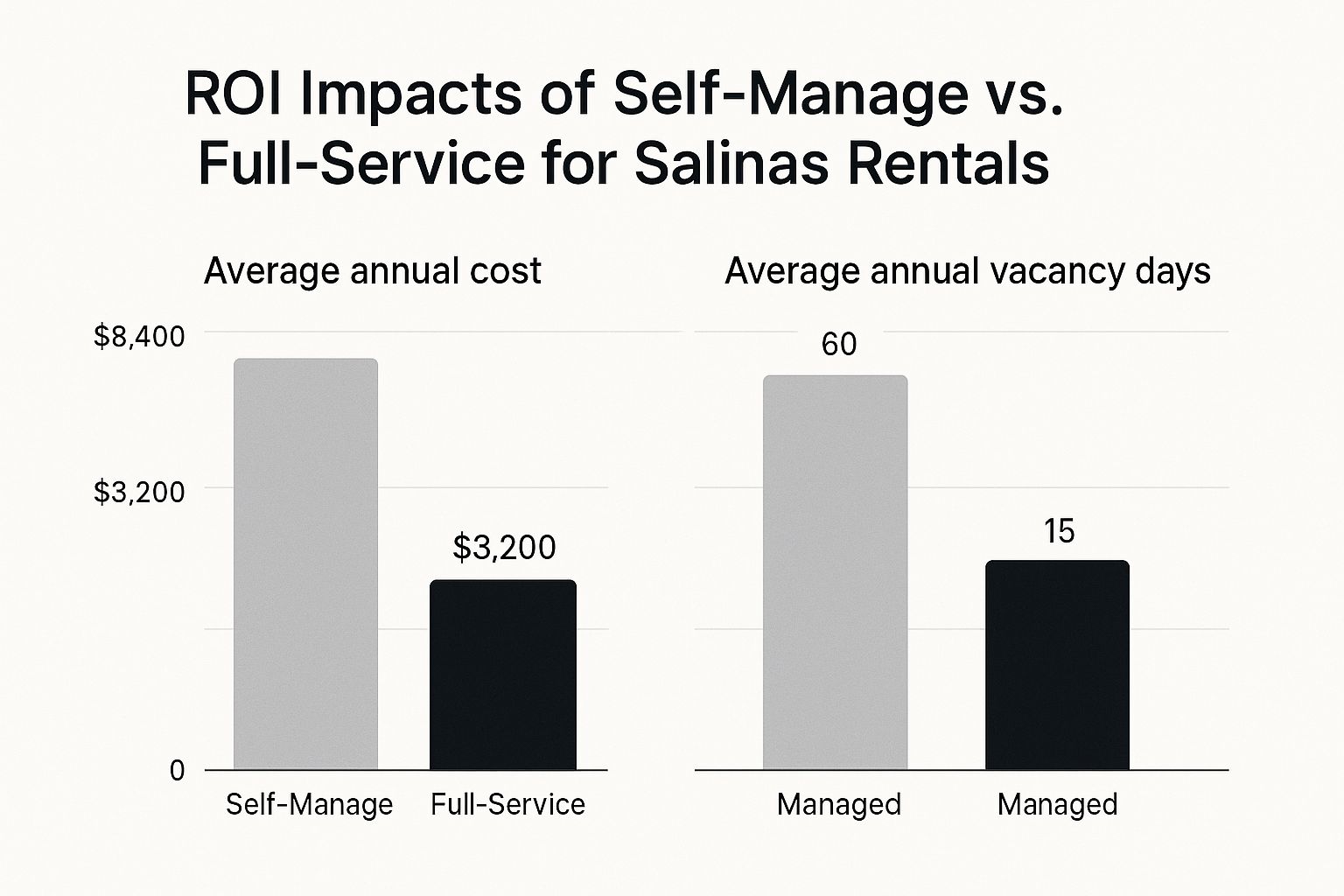
The numbers are clear. Professional management significantly cuts vacancy days and lowers overall annual costs, which directly boosts your net income. This is precisely how full-service property management in Salinas maximizes ROI for homeowners—a critical factor for any serious investor.
Over time, these savings compound and outperform the DIY approach.
Self-Management vs. Full-Service Management ROI Impact
This table breaks down how different management approaches affect your bottom line.
| Management Task | Self-Management Approach (Typical Outcome) | Torrente Full-Service Approach (ROI-Boosting Outcome) |
|---|---|---|
| Pricing Strategy | Guesswork based on online listings; often underpriced or overpriced, leading to lost income or long vacancies. | Data-driven market analysis ensures optimal pricing for maximum income and minimal vacancy. |
| Tenant Screening | Basic credit check; often misses red flags, leading to higher risk of problem tenants and costly evictions. | In-depth screening including income verification and rental history to secure reliable, long-term tenants. |
| Maintenance | Reactive repairs; searching for vendors last-minute often results in higher costs and longer tenant wait times. | Proactive maintenance with a vetted network of contractors. 24/7 coordination prevents small issues from becoming expensive disasters. |
| Rent Collection | Chasing late payments; inconsistent cash flow and stressful confrontations. | Automated collection process ensures consistent on-time payments and handles delinquencies legally. |
| Legal Compliance | Trying to keep up with complex California laws; high risk of expensive fines from unintentional mistakes. | Expert knowledge of local and state laws protects you from liability and ensures full compliance. |
A professional approach is a calculated strategy to protect your asset, reduce stress, and put more money in your pocket.
Pricing and Marketing Your Rental to Avoid Vacancy Loss

The biggest threat to your rental ROI is an empty property. Every day your Salinas rental sits vacant, you lose money. A smart, data-driven strategy for pricing and marketing is the first step to maximizing your return.
Pricing a rental isn’t guesswork. Set the rent too high, and qualified tenants will look elsewhere. Price it too low, and you leave money on the table every month.
At Torrente Property Management, we use our 25+ years of local rental data to run a detailed market analysis. This helps us find the pricing sweet spot—high enough to maximize income but competitive enough to attract great tenants quickly. Our guide on how to price a rental property explains this balance.
A Marketing Approach That Works
Once the price is set, we launch a powerful marketing campaign to reach the widest audience of qualified applicants in the Salinas area.
Our approach includes:
- Professional Photography: We use high-quality photos that make your property's best features stand out online.
- Compelling Descriptions: We write detailed descriptions that highlight the benefits of the home and neighborhood.
- Widespread Online Syndication: We post your listing on all the top rental websites where Salinas tenants are looking.
- Tapping into Our Network: We leverage our extensive local network to find qualified candidates you might otherwise miss.
Our Bilingual Advantage in the Salinas Market
Salinas is a diverse community, and a significant portion of the population speaks Spanish. This can be a barrier for landlords who only speak English.
"Our ability to communicate fluently in both English and Spanish opens up a much larger pool of qualified tenants. It breaks down barriers during leasing and throughout the tenancy, leading to faster placements and better tenant relationships."
— Aurelia Torrente, Broker/Owner
Our exclusive bilingual leasing services ensure no qualified applicant is overlooked. This inclusive approach fills vacancies faster and fosters a welcoming environment, which encourages long-term lease renewals and reduces costly turnover.
Protecting Your ROI With Quality Tenant Screening
After pricing your property, the next crucial step is choosing the right person to move in. A single difficult tenant can turn a profitable asset into a financial nightmare. The costs from property damage, unpaid rent, and legal fees can wipe out years of positive cash flow.
Our meticulous tenant screening process is the cornerstone of protecting your investment. We dig deeper than a basic application to give you a complete picture of who will be living in your home.
Our Comprehensive Screening Checklist
We analyze multiple data points to verify an applicant's reliability and financial stability. Our team is trained to spot subtle red flags that self-managing landlords often miss.
Our screening process always includes:
- Detailed Credit History Analysis: We look for a consistent track record of on-time payments.
- Nationwide Criminal Background Check: This is a vital step for safety.
- Employment and Income Verification: We confirm applicants have a stable income to cover rent, typically requiring a rent-to-income ratio of at least 1:3.
- Past Rental History Review: We contact previous landlords to ask about payment history and property care.
This rigorous process dramatically reduces the risk of late payments and evictions. You can find more expert tenant screening tips from industry resources.
The Hidden ROI Killer: Tenant Turnover
Securing a great tenant is only half the battle; keeping them is just as important. Tenant turnover is a major hidden cost for rental owners. Each time a tenant moves out, you face marketing costs, cleaning bills, and lost income from vacancy.
Our approach to how full-service property management in Salinas maximizes ROI for homeowners focuses heavily on tenant retention. Happy tenants are more likely to renew their leases and treat your property with respect. Learn more in our guide to tenant selection and screening.
We build positive relationships through responsive communication and prompt maintenance. This service culture reduces turnover, minimizes expenses, and ensures your investment performs at its peak.
Controlling Costs with Proactive Maintenance
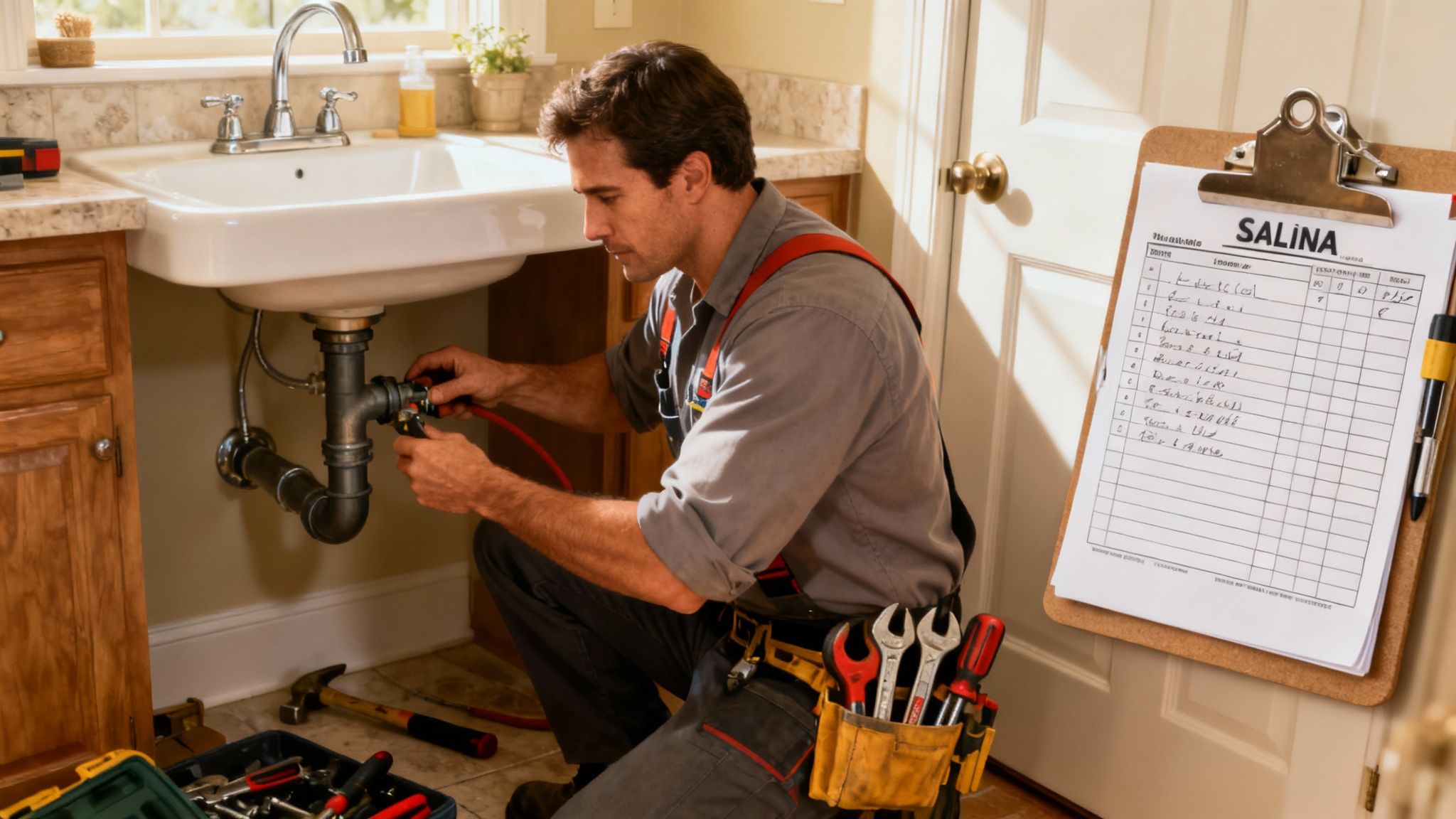
Smart expense management is key to a healthy ROI. A huge part of our job is strategically controlling costs. Unexpected repairs don't just cause headaches; they create budget swings that eat away at your net income.
Many landlords get stuck in a reactive cycle, only fixing things when they break. This approach is a recipe for budget blowouts. An emergency call for a burst pipe will always cost more than catching a small leak during a routine inspection.
The Power of Preventative Care
We implement a preventative maintenance schedule to find small issues before they become major failures. It’s like changing the oil in your car—you do it to prevent bigger problems down the road.
This proactive approach directly impacts your bottom line by:
- Extending Asset Life: Regular service on HVAC systems and appliances pushes expensive replacement costs further into the future.
- Reducing Emergency Calls: Catching problems early slashes the number of urgent, after-hours service calls that come with premium labor charges.
- Improving Tenant Satisfaction: A well-maintained home shows you care and is a huge factor in lease renewals.
Our Vetted Network of Local Salinas Vendors
Over our 25+ years in the Salinas area, we've built a trusted network of local, licensed, and insured vendors. They deliver quality work at fair, pre-negotiated prices.
This network gives our clients a financial edge. Our vendors prioritize our service requests, which means less disruption for your tenants.
"A slow or overpriced repair doesn't just cost you money—it can damage your relationship with your tenant. Our 24/7 maintenance coordination frees you from the stress of finding a reliable plumber at 2 a.m. while ensuring your asset is protected."
— Aurelia Torrente, Broker/Owner
Our 24/7 maintenance coordination system handles every tenant call and repair. This preserves your property's value and solidifies your reputation as a responsible landlord—all without you ever getting a late-night phone call. Our approach to property maintenance services in Salinas is designed to protect your budget and your peace of mind.
Ensuring Financial Clarity and Legal Compliance
True peace of mind comes from knowing your investment is both profitable and protected. This means having a clear view of your property’s financial health and shielding yourself from legal risks.
We provide clarity through a secure online owner portal. You can log in anytime to see exactly how your investment is performing. This system cuts through the financial clutter that often overwhelms self-managing landlords.
Your Finances at a Glance
Our portal gives you 24/7 access to the documents that put you in control.
- Detailed Monthly Statements: Get an easy-to-read statement each month that breaks down all income and expenses.
- Centralized Document Hub: Access lease agreements, inspection reports, and vendor invoices whenever you need them.
- Year-End Tax Preparation: We provide comprehensive summaries to make tax time simple.
This detailed reporting helps you understand key metrics like what Net Operating Income is and see how our strategies impact your bottom line.
"For absentee landlords, this financial transparency is non-negotiable. Knowing every dollar is accounted for provides the confidence you need to own property from a distance."
— Aurelia Torrente, Broker/Owner
Navigating Complex California Rental Laws
Protecting your ROI also means staying on the right side of the law. California has some of the most complex landlord-tenant laws in the country. A single misstep can spiral into costly disputes.
Our team’s expertise is your shield. We are experts in local Salinas ordinances, state regulations, and federal Fair Housing laws.
We handle all legal details, including:
- Drafting iron-clad, compliant lease agreements.
- Handling security deposits by the book.
- Managing the legal eviction process if necessary.
This prevents the expensive errors that can quickly erase your profits.
Your Partner for Better Salinas Property Returns
Full-service property management is the most direct path to better returns for Salinas homeowners. It's a complete system designed to increase your income, trim your costs, and give you back your time.
This end-to-end approach is how full-service property management in Salinas maximizes ROI. It's about swapping the stress of DIY management for the confidence of having a local expert in your corner.
If you’re ready to see what your property is truly capable of, it’s time to connect with a partner who lives and breathes the Salinas market.
Contact Torrente Property Management today at (831) 582-8916 for a personalized consultation and let's unlock your property's real potential.
FAQs on Property Management and ROI
Here are answers to common questions Salinas property owners ask about boosting their financial returns.
How much does full-service property management in Salinas cost?
Our management fee is typically a straightforward percentage of the monthly rent collected. This performance-based model means we only get paid when you do, aligning our goals with yours. This structure motivates us to place high-quality tenants and keep your property occupied.
Can I be involved in choosing my tenant?
Absolutely. While we handle the entire legally compliant screening process, you always have the final say. We present you with the most qualified candidates and all essential information so you can make a confident decision.
What happens if a tenant does not pay rent?
We have a firm, professional process in place. It starts with timely reminders and escalates to formal notices if needed. Should an eviction become necessary, we manage the entire legal process to minimize your financial loss and stress.
How does local Salinas expertise give me an advantage?
Our deep roots in Salinas provide a competitive edge. We know local neighborhoods, renter preferences, and market trends, which helps us price your property for maximum income. Our trusted network of local vendors also helps control maintenance costs.
How do I know if my property is performing well?
We believe in total transparency. You will have 24/7 access to a secure online portal with detailed monthly financial statements. This data empowers you to track income, expenses, and net returns with complete clarity. Learning how to calculate return on investment will also help you understand your property's performance.

California Rent Grace Periods: What Landlords Must Know
Meta Description: Confused about California rent grace periods? Our guide clarifies the rules for Monterey Bay landlords on late fees, notices, and legal compliance to protect your investment.
For Monterey Bay landlords, questions about California rent grace periods and late fees are common. The simple truth is that California state law does not require landlords to offer a grace period.
This means rent is legally late the day after it's due, unless your lease agreement says otherwise. In fact, a 2022 survey found that 21% of renters paid their rent late at least once in the past year, making clear policies essential (Source: Stessa).
The Truth About California Rent Grace Periods

While the law doesn't require it, offering a grace period is a best practice for property owners in communities like Monterey, Salinas, and Carmel. Think of it as a tool for building a positive, professional landlord-tenant relationship.
A grace period is a set number of days after the due date when a tenant can pay rent without a late fee. It is a contractual courtesy, not a legal right, that acknowledges life happens.
Why Offer a Grace Period?
Offering a grace period in your lease sets a reasonable and professional tone. This small bit of flexibility can prevent a minor payment delay from becoming a stressful dispute.
By offering a grace period, landlords show flexibility and understanding. This is crucial for maintaining long-term tenancies and reducing conflicts.
Most experienced landlords include a grace period of three to five days in their agreements. This industry standard helps build trust and encourages tenants to communicate openly about payment issues.
Setting Clear Expectations
Your goal is to balance managing your finances with treating tenants fairly. A well-defined grace period helps you do just that.
- It Prevents Misunderstandings: Tenants know exactly when a payment is officially late and when fees kick in.
- It Encourages Timely Payments: The window is reasonable enough for minor delays but not long enough to encourage chronic lateness.
- It Protects Your Investment: You have a clear, enforceable policy in writing, which is key to consistent rent collection.
Keeping up with local and state regulations is a full-time job. For a complete picture of your responsibilities, explore our guide on California landlord-tenant laws. At Torrente Property Management, we help landlords craft fair and legally solid lease agreements to ensure their rental business runs smoothly.
Crafting Your Lease for Clear Rent Collection

Your lease agreement is the official rulebook for your rental property. It is the most important document for managing your income and avoiding disputes. A clear, detailed lease builds a foundation of professionalism and mutual understanding.
This is your opportunity to formalize your policies on California rent grace periods and late fees. Since state law doesn't require a grace period, your lease is the only place to establish one. Without it in writing, you have no contractual basis to charge a late fee.
Key Details to Include in Your Rent Clause
To avoid confusion, your lease’s rent collection clause must be specific. Vague language leads to tenant disputes and headaches.
Your lease should spell everything out clearly:
- The Exact Due Date: Specify the day rent is due each month (e.g., "rent is due on the 1st day of each month").
- The Grace Period Deadline: Clearly define when the grace period ends, like "Rent is considered late if not received by 5:00 PM on the 5th day of the month."
- The Late Fee Amount: State the exact late fee. For instance, "A late fee of $50 will be assessed if rent is not received by the end of the grace period."
This level of detail leaves no room for interpretation. Both you and your tenant know exactly what to expect.
The Power of a Well-Drafted Lease
A strong lease does more than list rules; it protects your investment and makes your life easier. In a competitive market like Monterey County, including a grace period can reduce arguments over late fees and boost tenant satisfaction, which helps keep occupancy rates high.
Your lease agreement is the cornerstone of a successful landlord-tenant relationship. It turns potential conflicts into clear, agreed-upon procedures.
The process of defining clear expectations in agreements is crucial for landlords. By investing time to craft a detailed lease, you proactively manage your property and foster a professional, respectful environment.
Essential Lease Clauses for Rent Collection
This table outlines the critical components for a legally sound and transparent rent collection policy.
| Lease Clause | What to Specify | Why It's Important |
|---|---|---|
| Rent Due Date | The specific calendar day rent is due (e.g., the 1st of the month). | Establishes a clear, non-negotiable deadline for payment. |
| Grace Period | The exact end date and time (e.g., by 5:00 PM on the 5th). | Defines the window before a payment is officially considered late. |
| Late Fee Amount | The specific dollar amount or percentage charged for late rent. | Ensures the fee is a reasonable, pre-agreed penalty, not a surprise. |
| Accepted Payment Methods | List all acceptable forms (e.g., online portal, check, money order). | Prevents disputes over how rent was paid or if a method is valid. |
| Returned Check Fee | The fee charged for bounced payments (NSF fee). | Covers bank charges and administrative hassle from failed payments. |
Having these details in your lease provides a clear roadmap for you and your tenant. This minimizes the chance of misunderstandings.
For property owners in the Monterey Bay area, ensuring your lease is clear and compliant is vital. At Torrente Property Management, this is our specialty. A well-written lease is your best defense against payment problems and a key tool for a profitable, stress-free rental property.
Calculating Late Fees the Right Way
Figuring out late fees in California isn't as simple as picking a number. The fee must be fair, legal, and based on reality. A late fee cannot be a penalty meant to punish the tenant.
Instead, the fee must be a "reasonable estimate" of the actual costs you face because the rent was late. This is a critical distinction. Charging an excessive fee can be challenged in court, costing you much more than the late rent.
To keep your policy on solid legal ground, you must be able to justify the amount you charge. This means documenting the real costs tied to collecting the overdue payment.
What Are Legitimate Costs?
What counts as a "reasonable" cost? The law looks for direct expenses you can link to the late payment. You cannot add fees that are punitive.
Here are examples of costs you can include in your calculation:
- Administrative Time: The hours you or your staff spend making calls, sending emails, or drafting late notices.
- Communication Costs: The price of paper, ink, envelopes, and postage for sending physical notices.
- Travel Expenses: If you drive to the property to post a notice, you can factor in the cost of mileage.
You cannot include costs that are not a direct result of the late payment. "Emotional distress" or general "inconvenience" do not qualify. The goal is to be precise and fair, not to profit from a tenant's mistake.
How to Calculate a Defensible Late Fee
Calculating a fee that will hold up in court is a logical process. The math behind it must be based on your estimated actual costs. This ensures you stay compliant with rules around California rent grace periods and late fees.
This infographic breaks down a simple, three-step process for calculating a reasonable and legally defensible fee.
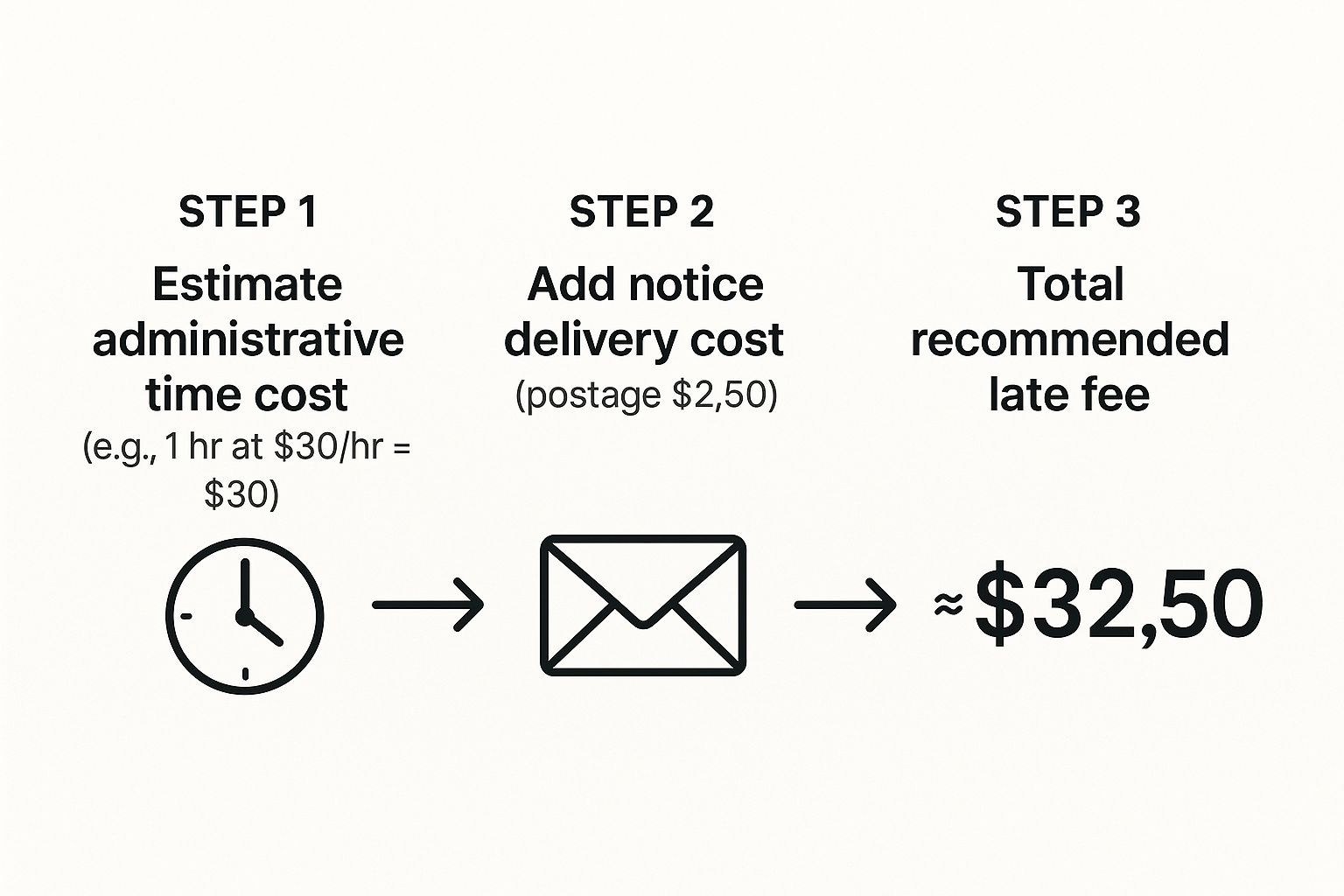
When you break down your costs, you create a fee structure that's transparent and legally sound.
Documenting Your Calculations Is Key
Keeping a record of how you calculated your late fee is your best defense against legal disputes. Create a simple spreadsheet that outlines your estimated costs for each late payment incident.
A common practice is to set a late fee at a small percentage of the monthly rent, often around 5%, as long as it aligns with your estimated costs.
This percentage-based approach is often seen as reasonable. However, you must be ready to show your math if asked.
At Torrente Property Management, we handle rent collection professionally and legally. We set up clear, compliant policies and manage all tenant communications about payments. We help landlords understand the best ways to pay rent electronically, which can dramatically reduce late payments.
Responding When Rent Is Overdue

The grace period has passed, but the rent hasn't been paid. Now is the time for formal, professional action. Following the correct legal procedure is everything.
Your next move is to issue a 3-Day Notice to Pay Rent or Quit. This is the official start of the eviction process in California. This legal document tells the tenant they have three days to pay the full amount of rent owed or move out.
What Is a 3-Day Notice?
The 3-Day Notice to Pay Rent or Quit starts a potential eviction. It is a formal written warning that must meet strict legal standards to be valid.
If your tenant does not comply, you can then file an unlawful detainer lawsuit. A small mistake on this form can get your case thrown out, forcing you to start over.
Essential Details for a Valid Notice
To ensure your notice is valid, it must contain specific, accurate information. There is no room for error.
Your 3-Day Notice must include:
- The Tenant’s Full Name: List every adult tenant on the lease.
- The Property Address: Include the full street address, city, and ZIP code.
- The Exact Rent Owed: State the precise amount of rent due. Do not include late fees or other charges.
- A Clear Statement: The notice must state that the tenant must pay the rent within three days or move out.
- Your Information: Include your name (or your property manager's), address, and a phone number.
- Payment Instructions: Be specific about who to pay, where to pay, and what payment methods you accept.
Getting these details right is non-negotiable. Professional property management ensures these sensitive legal documents are handled with precision.
Proper Delivery Is Just as Important
How you deliver the notice is as crucial as what is on it. California law has three acceptable methods for "serving" the notice.
- Personal Service: Hand the notice directly to the tenant. This is the best method.
- Substituted Service: If the tenant isn't there, leave the notice with another competent adult at the property and mail a second copy.
- Posting and Mailing: If you cannot find the tenant or another adult, you can post the notice on the front door and mail a copy.
Documenting how and when you served the notice is vital. Take a photo of the posted notice and keep a record of the date, time, and delivery method. This proof is essential for court.
This process requires a solid grasp of legal protocols. Landlords can better understand their tenants’ protections by reviewing foundational tenant rights in California. This knowledge empowers you to act confidently and legally.
How Professional Management Protects Your Investment
Collecting rent can be a major headache. For property owners in Monterey, Salinas, and Carmel, the stress of chasing late payments and navigating California rent grace periods is draining. This is where a professional manager changes the game.
A good property manager takes the administrative and emotional stress off your shoulders. You no longer have to make awkward calls or send legal notices. Instead, a proven system handles it all.
A Consistent System for Rent Collection
At Torrente Property Management, our rent collection process is professional and consistent. It begins with an ironclad lease that clearly spells out all payment policies.
We make it incredibly easy for tenants to pay. Our modern system includes:
- Simple Online Portals: Tenants can pay instantly online via ACH or credit card.
- Automated Reminders: We send friendly email and text reminders before rent is due and before the grace period ends.
- Clear Communication: Our team, which includes bilingual Spanish-speaking professionals, handles all tenant questions about payments respectfully.
This structured approach ensures rent is handled professionally every single time.
Enforcing Policies with Confidence and Compliance
When rent is late, our approach is firm, fair, and 100% compliant with California law. We have a documented procedure for every step. From applying legally calculated late fees to serving a 3-Day Notice to Pay Rent or Quit, every action is taken with precision.
This consistency shows tenants that the lease terms are serious, encouraging on-time payments. Our meticulous documentation protects you from potential disputes. Of course, protecting your investment also means understanding your financial obligations, and resources like A Landlord's Guide to Taxes on Rental Income are invaluable for that.
A professional manager acts as a buffer, handling difficult conversations and legal procedures so you don't have to. This preserves your time, energy, and the landlord-tenant relationship.
Here’s a quick comparison of handling rent collection on your own versus with our team.
DIY Landlording vs. Professional Management
| Task | DIY Landlord Approach | Torrente Property Management Approach |
|---|---|---|
| Rent Reminders | Manually sending emails or texts, if remembered. | Automated, scheduled reminders sent via email and text. |
| Payment Methods | Limited to checks, money orders, or a single digital app. | Multiple convenient options via a secure online portal. |
| Late Fee Calculation | Guesswork or using a flat fee that may not be legally compliant. | Precise calculation based on the lease and strict state laws. |
| Serving Notices | Unsure of the correct legal format and delivery method. | Professional, legally-compliant notices served correctly. |
| Tenant Communication | Direct, often stressful conversations about late payments. | Professional, objective communication handled by our trained, bilingual staff. |
| Record Keeping | Scattered notes and emails that are hard to track. | Meticulous digital records of all payments and communications. |
The contrast is clear. Handing over rent collection to a professional is an investment in a system built to protect your asset and ensure your rental property runs like a profitable, stress-free business. It helps to understand everything involved in what a property manager does to protect an owner's investment.
Frequently Asked Questions (FAQs)
Is there a mandatory rent grace period in California?
No, California state law does not require landlords to offer a grace period. It is an optional courtesy that must be clearly written into your lease agreement to be enforceable. Without it, rent is legally late the day after it's due.
How much can I legally charge for a late rent fee?
In California, a late fee must be a "reasonable estimate" of the actual costs you incurred due to the late payment. While there is no legal cap, a fee up to 5% of the monthly rent is often considered defensible, provided you can justify it with your administrative costs.
Can I serve an eviction notice the day after rent is late?
Yes. If your lease agreement does not include a grace period, you can legally serve a "3-Day Notice to Pay Rent or Quit" the day after rent is due. However, a friendly reminder first can often resolve the issue without damaging the tenant relationship.
What should I do if a tenant's check bounces?
You should immediately serve a 3-Day Notice for the total unpaid amount. You can also charge a returned check fee and any applicable late fees, but only if these policies are outlined in your lease agreement and comply with state limits.
Can I refuse a partial rent payment from a tenant?
Yes, you have the right to refuse a partial payment. Accepting a partial payment after serving a 3-Day Notice can invalidate that notice and force you to restart the eviction process if the tenant doesn't pay the rest.
Managing rent collection, navigating legal notices, and maintaining positive tenant relationships takes expertise. At Torrente Property Management, we handle this entire process with the professionalism your investment deserves.
Tired of chasing late rent? Contact Torrente Property Management today at (831) 582-8916 or visit us online at https://torrenteproperties.com to learn how our expert services can bring you peace of mind.

Why Salinas Property Managers Are Trusted by Landlords
Managing a rental property in Salinas, California, is a big responsibility. For landlords, giving your valuable asset to someone else to manage is a major decision. The key to a good investment is finding a partner who understands the local market and treats your property with care.
In fact, a study by the National Association of Realtors found that 27% of landlords hire a property manager to handle daily tasks. This article explains why landlords trust Salinas property managers. It covers how their local knowledge and professional skills lead to peace of mind and better profits for you. Understanding these trust factors is as important as knowing customer relationship management basics for building strong connections.
1. Deep Local Market Knowledge and 25+ Years of Experience
One of the main reasons landlords trust Salinas property managers is their deep understanding of the local market. This isn't just about general real estate trends. It's about knowing the specific neighborhoods, seasonal rent changes tied to agriculture, and the needs of a diverse community.
This local expertise helps you make more money. A manager with over 25 years of local tenure knows how to price a home in East Salinas to attract good tenants quickly. They also know the best leasing strategies for summer when farm employment is high, keeping your property filled.
Local Owner Testimonial: "After trying to manage my Salinas property from out of state, I was losing money. Torrente’s local knowledge was a game-changer. They priced it right and found a great tenant in two weeks. Their experience is invaluable." - M. Gonzalez, Property Owner
This deep knowledge is key for following local rules and predicting market changes. It gives landlords, especially those who live far away, peace of mind.
2. Rigorous Tenant Screening and Placement
A landlord's profit depends on finding reliable tenants who pay on time and care for the property. This is why Salinas property managers are trusted. They use a strict screening process to reduce risk and protect your investment.
The process includes checking employment, rental history, and criminal backgrounds. It also ensures the applicant's income is high enough. This detailed approach helps prevent costly evictions and keeps your property occupied. Our professional tenant placement services on torrenteproperties.com are designed to protect your rental income.
Expert Insight: "Placing the right tenant is the most important step. We verify every detail to prevent future problems. Our low eviction rate comes from our consistent and thorough screening for every applicant." - Torrente Property Management
This careful process gives homeowners peace of mind. It ensures the person in your property has been properly vetted, making a smooth and profitable experience much more likely.
3. A “Treat It Like Our Own” Maintenance Approach
Landlords also trust Salinas property managers for their commitment to property maintenance. This proactive approach is about preserving your property’s value and keeping tenants happy. In Salinas, with its coastal climate and older homes, this is especially important.

This hands-on management catches small issues before they become big problems. For example, a manager might find a small roof leak during an inspection, saving you thousands in water damage repairs. They also work with trusted, insured vendors to ensure all work is done right.
Local Owner Testimonial: "The ‘treat it like our own’ philosophy at Torrente is real. They caught a plumbing issue during a routine check that would have cost me a fortune. Their proactive care protects my investment." - J. Davis, Property Owner
For landlords, this system provides immense peace of mind. You know your property is being cared for, from emergencies to routine upkeep. Trusting professionals with proactive property maintenance and inspection programs protects your asset for the long term.
4. Bilingual Communication and Strong Tenant Relations
In a diverse community like Salinas, clear communication is essential for building trust with tenants. A key reason why Salinas property managers are trusted by landlords is their ability to communicate effectively with everyone. Bilingual (English/Spanish) communication is a major advantage.
This skill helps build strong relationships with tenants. It ensures that lease agreements, maintenance requests, and important notices are understood by all parties. Good communication leads to happier tenants, who are more likely to stay longer and take better care of the property.
Expert Insight: "Being able to speak with tenants in their preferred language removes barriers and builds immediate trust. It leads to better cooperation on everything from rent payments to property care." - Torrente Property Management
For landlords, this means fewer misunderstandings and a more stable rental income. It shows a commitment to serving the entire community, which strengthens the reputation of your rental property.
5. Efficient Rent Collection and Financial Management
Consistent cash flow is the goal of any rental investment. This is why Salinas property managers are trusted for their professional financial management. They handle rent collection, enforce late fees fairly, and provide clear communication to ensure timely payments.
This professional process directly impacts your bottom line. Skilled property managers can achieve rent collection rates of 97% or higher. They provide detailed financial statements that make tax time easier and help you find deductions. Proper financial management also protects you from legal issues.
Expert Insight: "Our priority is to ensure you get paid on time. We use modern software to automate rent collection and give you 24/7 access to financial reports. This discipline is key to maximizing your returns." - Torrente Property Management
This level of financial care provides transparency and peace of mind. To learn about the tools that make this possible, you can explore the best accounting software for landlords.
6. Expert Legal Compliance and Professional Certifications
California's rental laws are complex. Salinas property managers are trusted because they protect owners from legal mistakes. They stay up-to-date on state and local regulations, including rent control and eviction laws. Professional certifications show a commitment to legal and ethical standards.

This legal knowledge prevents costly errors. For example, a manager knows how to handle security deposits correctly to avoid lawsuits. If an eviction is necessary, they manage the process legally and efficiently, saving you time and money.
Expert Insight: "A simple mistake in a legal notice can cost a landlord thousands. We ensure every step is handled in strict compliance with California law. This protects our clients' investments and gives them genuine peace of mind." - Torrente Property Management
For landlords, this expertise is an essential safeguard. It turns the difficult task of legal compliance into a managed, professional process. It also helps with modern challenges, like using technology for communication, as explained in this comprehensive guide to real estate chatbots.
Frequently Asked Questions (FAQs)
Why is local expertise so important for a Salinas property manager?
Local expertise is crucial for setting the right rent price, understanding neighborhood trends, and marketing to the right tenants. This knowledge helps fill vacancies faster and maximizes your rental income in the unique Salinas market.
What is included in a rigorous tenant screening process?
A rigorous screening process includes credit checks, criminal background checks, employment verification, and past rental history confirmation. This detailed process helps find reliable tenants and reduces the risk of evictions.
How does bilingual communication benefit me as a landlord?
Bilingual communication ensures all tenants understand lease terms and property rules, reducing misunderstandings. This builds trust, leads to better tenant relationships, and helps create a stable, respectful rental environment.
Why is professional certification important for a property manager?
Certifications show that a manager is committed to high ethical standards and has advanced training in property law and management. It signals a level of professionalism and expertise you can trust to protect your investment.
How does the “treat it like our own” approach save me money?
This approach means a manager is proactive about maintenance, catching small problems before they become expensive repairs. By caring for the property thoughtfully, they preserve its value and prevent costly emergency situations.
Your Trusted Partner in Salinas Property Management
Choosing the right property manager is an investment in your peace of mind and the success of your property. The reasons why Salinas property managers are trusted by landlords come down to a few core principles: local expertise, rigorous screening, proactive maintenance, and professional integrity. These pillars protect your asset and maximize your returns.
Trust is earned through actions like knowing the Salinas community, implementing a “treat it like our own” philosophy, and securing reliable tenants. It comes from over 25 years of local experience and a commitment to clear, bilingual communication. This approach turns your rental into a high-performing, stress-free asset.
Ready to experience the peace of mind that comes from working with a trusted local expert? Contact Torrente Property Management today at (831) 582-8916 for a no-obligation consultation.

Finding the Best Salinas Property Manager: 5 Key Criteria
Owning a rental property in Salinas should be a pathway to financial success, not a source of constant stress. Managing a property here requires special expertise, from understanding the local economy to keeping up with California rental laws. Many landlords feel overwhelmed and lose time and potential income.
A recent study by the National Association of Realtors found that self-managed properties often face longer vacancies and lower returns. This guide explains the key qualities that make a property manager indispensable. We will cover the five criteria you need to find the best property managers for landlords in Salinas and turn your property into a high-performing asset.
1. Deep Local Expertise in the Salinas Market
The most important factor when choosing a property manager is their local expertise. This is more than just knowing average rent prices. It's about understanding the unique economic and social trends of the Salinas Valley.
A true local expert knows how to price a rental in Creekbridge differently than one in Alisal. They understand what affects value, like school districts or proximity to major agricultural employers. This deep knowledge helps them attract the right tenants and minimize vacancies.
Why a Salinas Specialist is a Must
Salinas is the "Salad Bowl of the World," and its farm-based economy affects the rental market. This creates seasonal employment trends that a top manager knows how to handle. They can adjust marketing strategies when tenant demand increases during harvest season.
A manager with hyper-local expertise excels in three key areas:
- Strategic Tenant Marketing: They know where and when to advertise to attract qualified, long-term tenants. They might market directly to agricultural companies or healthcare facilities like Salinas Valley Memorial Hospital.
- Accurate Property Pricing: They use real-time, local knowledge to set a price that maximizes your income. This prevents your property from sitting vacant for too long.
- Vetted Local Vendor Network: When a pipe bursts, you need a reliable professional fast. A manager with deep local roots has connections with the best plumbers, electricians, and handymen in Salinas, saving you time and money.
Choosing a manager with proven Salinas expertise is the foundation of a successful investment. It ensures your property is optimized for this unique market.
2. A Comprehensive Tenant Screening Process
The quality of your tenant directly impacts your return on investment. A strict, legally compliant tenant screening process is your best defense against income loss, property damage, and legal issues. The best property managers in Salinas know that placing the right tenant is more valuable than a quick commission.

This involves a systematic approach that goes beyond a simple credit check. It's a multi-step verification system that paints a full picture of an applicant's reliability while following fair housing laws.
Why Rigorous Screening is So Important
A single bad tenant can cost thousands in lost rent, legal fees, and repairs. A manager with a strong screening process greatly reduces these risks. They find qualified residents who pay on time and care for your property.
This proactive approach is vital in Salinas. A consistent process ensures all applicants are treated fairly, protecting landlords from discrimination claims. A detailed system shows a commitment to professional management.
An elite screening process includes three key steps:
- Data-Driven Financial Verification: This includes a full credit report and proof of income that meets a set threshold (usually 2.5-3x the rent). This is how top managers achieve a 95%+ on-time rent collection rate.
- Thorough Background and Rental History Checks: A top manager runs nationwide criminal background and eviction searches. They also call previous landlords to ask about payment history and property care.
- Legal Compliance and Consistency: The best firms use written, objective screening criteria for every applicant. They are experts in state and federal fair housing laws, protecting you from legal challenges.
A manager's eviction rate is a direct reflection of their screening process. This is a non-negotiable step when looking for the best property managers in Salinas.
3. Transparent Financial Reporting and Management
A property manager is the steward of your investment's finances. Transparent financial reporting is the foundation of a trustworthy relationship. This means you get clear, accurate, and timely access to all financial data for your Salinas property.
The best property managers use professional software to give landlords 24/7 access to their financial dashboard. This ensures every transaction is documented and easy to find. This gives you a real-time view of your asset’s performance.
Why Clear Financials Are Crucial
Your Salinas rental is a major financial asset. Clear reporting helps you track profit, budget for improvements, and simplify tax prep. It also builds trust by showing that all fees and costs are accounted for.
A manager dedicated to financial transparency excels in three key areas:
- Detailed and Accessible Statements: They provide monthly owner statements that list all income and expenses. These reports include copies of original invoices, so you know exactly where your money is going.
- Modern Technology and Owner Portals: Top managers offer a secure online portal where you can view financial statements and track rent payments. This self-service access puts you in control.
- Streamlined Tax Preparation: A good manager provides a year-end summary and a 1099-MISC. Their reports often align with IRS Schedule E, making tax time much easier. You can explore the best accounting software for landlords to complement your manager's system.
Choosing a manager who values transparent accounting is key to protecting your investment. This is a vital criterion when looking for the best property managers for landlords in Salinas.
4. Proactive Property Maintenance and Repairs
Protecting the physical asset is a vital job for a property manager. A proactive approach to maintenance is a non-negotiable criterion. It's a strategy to prevent issues, preserve property value, and keep tenants happy.
A reactive maintenance policy leads to expensive emergency repairs and unhappy tenants. In contrast, a proactive manager schedules regular maintenance and inspections. This helps them fix small issues before they become big problems.
How a Proactive System Saves You Money
Good maintenance directly impacts your bottom line. It reduces tenant turnover and prevents a property's value from declining. A top manager in Salinas knows the specific needs of local properties, whether it's managing landscaping in the dry season or servicing HVAC systems for the summer.
A manager with a proactive maintenance system shines in three ways:
- Preventive Maintenance Scheduling: They don't wait for things to break. They schedule semi-annual HVAC servicing, seasonal gutter cleaning, and regular pest control. This foresight can save you thousands.
- Responsive and Reliable Repairs: When issues happen, a great manager has a 24/7 system to respond. They use tools to track jobs and costs, keeping everyone informed. Their connections mean they can get a trusted plumber quickly at a fair price.
- Vetted and Insured Vendor Network: An exceptional manager has a list of licensed and insured local vendors. This protects you from liability and ensures quality work. These relationships are key for effective estate caretaker and maintenance on the Monterey Peninsula.
A manager’s approach to maintenance shows their professionalism. This system is a core part of what makes the best property managers for landlords in Salinas stand out.
5. Expertise in Legal Compliance and Risk Management
In California's complex rental market, legal compliance is the bedrock of a secure investment. Choosing a manager without deep knowledge of landlord-tenant law is a huge risk. This expertise includes understanding federal, state, and local laws.
A top-tier property manager is your first line of defense against costly legal battles. They ensure every action, from the lease agreement to the security deposit return, follows the rules. This proactive approach protects your asset and gives you peace of mind.
Why a Compliance Expert Is a Must
California's rental laws are complex and change often. A small mistake can lead to a big lawsuit. A manager who knows the laws can navigate this landscape with confidence.
A manager specializing in legal compliance excels in three key areas:
- Ironclad Leases and Procedures: They use attorney-vetted lease agreements that are always up-to-date. Their procedures for handling applications and security deposits meet all legal requirements.
- Proactive Risk Mitigation: A strong manager also focuses on risk management. They conduct property inspections to find safety hazards and ensure you have proper insurance. This means understanding the stages of risk management.
- Expert Handling of Difficult Situations: When a tenant dispute or eviction happens, their expertise is critical. They handle the process professionally and efficiently, resolving the situation in a compliant and cost-effective way.
A manager's commitment to legal compliance protects your financial future. To learn more, you can find details on California landlord-tenant laws here.
Landlord's Checklist for Vetting Property Managers
Use this checklist to compare potential property managers in Salinas. An indispensable manager should be able to answer "Yes" to all these questions.
- Local Expertise
- Do they manage other properties in my specific Salinas neighborhood?
- Can they explain local market trends and how they set rental rates?
- Do they have a list of trusted local vendors for repairs?
- Tenant Screening
- Can they provide their written tenant screening criteria?
- What is their average eviction rate over the last three years?
- Do they verify income, check credit, and call past landlords for every applicant?
- Financial Reporting
- Do they provide a 24/7 online owner portal?
- Can I see a sample monthly financial statement?
- Are copies of all invoices included with my monthly statements?
- Maintenance & Inspections
- Do they have a proactive/preventative maintenance program?
- How often do they conduct property inspections?
- What is their process for handling after-hours emergency repairs?
- Legal & Risk Management
- Is their lease agreement reviewed by a California landlord-tenant attorney?
- How do they stay updated on changes to local and state rental laws?
- Do they require tenants to carry renter's insurance?
Frequently Asked Questions (FAQs)
What does a property manager in Salinas typically charge?
Most property managers in Salinas charge a percentage of the monthly rent, usually between 8% and 10%. Some may also charge a one-time fee for placing a new tenant. Always ask for a clear breakdown of all fees before signing a contract.
How do you handle bilingual tenants in Salinas?
Salinas has a large Spanish-speaking population. A manager with bilingual staff (English/Spanish) can communicate more effectively with a wider range of tenants. This improves tenant relations and ensures clear communication about lease terms and maintenance.
What's the difference between managing a single-family home and a multi-unit building?
Managing a multi-unit building involves more complex challenges, such as handling common area maintenance, tenant disputes, and larger-scale accounting. An experienced manager will have specific processes for both single-family and multi-unit properties to ensure smooth operations.
How do property managers find good tenants?
Top managers use a multi-channel marketing strategy that includes online listings, local advertising, and their professional network. This is combined with a rigorous screening process that checks credit, background, rental history, and income to find reliable tenants.
Can a property manager help me with evictions?
Yes, a professional property manager is an expert in the legal eviction process. They handle serving proper notices, filing court documents, and coordinating with law enforcement if needed, ensuring the process is handled legally and efficiently.
Conclusion: Making the Right Choice for Your Investment
Choosing the right property manager in Salinas is a strategic partnership to protect and grow your investment. By using these five criteria, you can find a manager who is truly indispensable. An exceptional manager leverages local knowledge, finds reliable tenants, maintains transparent financials, and uses proactive maintenance to preserve your property's value.
An indispensable manager delivers the greatest return of all: peace of mind. They handle the daily burdens, allowing you to focus on your long-term goals. Your final choice should be a partner who embodies the dedication to make your investment thrive.
Ready to partner with a team that meets these criteria? Contact Torrente Property Management today at (831) 582-8916 for a free consultation to see how our proven approach can maximize your property’s potential.

Your Guide to Managing Rentals Remotely
Managing a rental property from miles away is possible with the right plan. It comes down to three key things: having the right mindset, building a reliable local team, and using smart technology. Your success as a remote landlord isn't about being there in person. It’s about creating systems that work for you, making sure your Salinas or Monterey property is protected and profitable.
Set Yourself Up for Remote Landlord Success
It’s common for landlords to manage properties from another city or state. In fact, one study found that 47% of rental properties in the U.S. are owned by individual investors, many of whom don't live near their investments (Source: IREM). For owners with properties in beautiful areas like Monterey or Salinas, this is a great opportunity.
The key is to change your perspective. You are no longer the hands-on landlord who can fix a leaky faucet. Your new job is to be a remote manager who directs the operation from a distance.
Your main role is to set goals and build systems, not handle daily tasks. Trusting a professional team on the ground transforms remote management from a source of stress into passive income.
This new role means you must let go of micromanaging. Instead, you need to focus on the big picture. Are rents coming in on time? Is the property well-maintained? Are your tenants happy?
Your Foundational Checklist
Before you get into daily details, build a solid foundation. This simple checklist helps you cover the basics. It makes sure you’re ready to manage your Monterey County property from afar.
- Define Clear Investment Goals: What is your main objective? Are you aiming for monthly cash flow or long-term growth? Your goals will shape every decision you make.
- Understand Local Regulations: Landlord-tenant laws vary by city and state. Get familiar with California's rules and any specific Monterey or Salinas ordinances. This includes rent control, eviction, and property standards.
- Establish an Emergency Fund: Things will break. Set aside funds for big surprises, like a new water heater. A healthy reserve fund prevents a minor issue from becoming a major financial problem.
Assembling Your On-the-Ground Team
You cannot manage a property remotely without reliable people on the ground. This team is your eyes, ears, and hands. They act on your behalf to protect your asset.
A skilled property manager is the most important part of this team. They handle everything from finding tenants to 24/7 maintenance. Their local expertise and network of contractors are invaluable. The principles of great remote management echo the strategies for knowing how to manage remote teams successfully in any business.
Hiring a professional team is often the most critical decision a remote landlord makes. Exploring the benefits of property management shows how this partnership safeguards your investment and gives you peace of mind.
Your Essential Remote Management Tech Stack
Managing a rental property from afar without the right tools is difficult. To stay in control of your Monterey or Salinas investment, you need a set of digital tools. The right technology is your best ally, helping you oversee every detail without being there.
Modern property management runs on software that brings everything into one place. For an absentee landlord, these systems are game-changers. They create a smooth, professional experience for you and your tenants by automating tasks.
The Power of Online Portals
At the heart of any remote management system is the online owner and tenant portal. This is a secure, 24/7 command center for communication and payments.
Tenants can log in anytime to pay rent or submit a maintenance request with photos. This feature ends late-night calls about a leaky faucet. For you, these portals provide a clear, real-time dashboard of payments, expenses, and communication.
This infographic shows how a tenant request flows through a digital portal, ensuring a fast response.
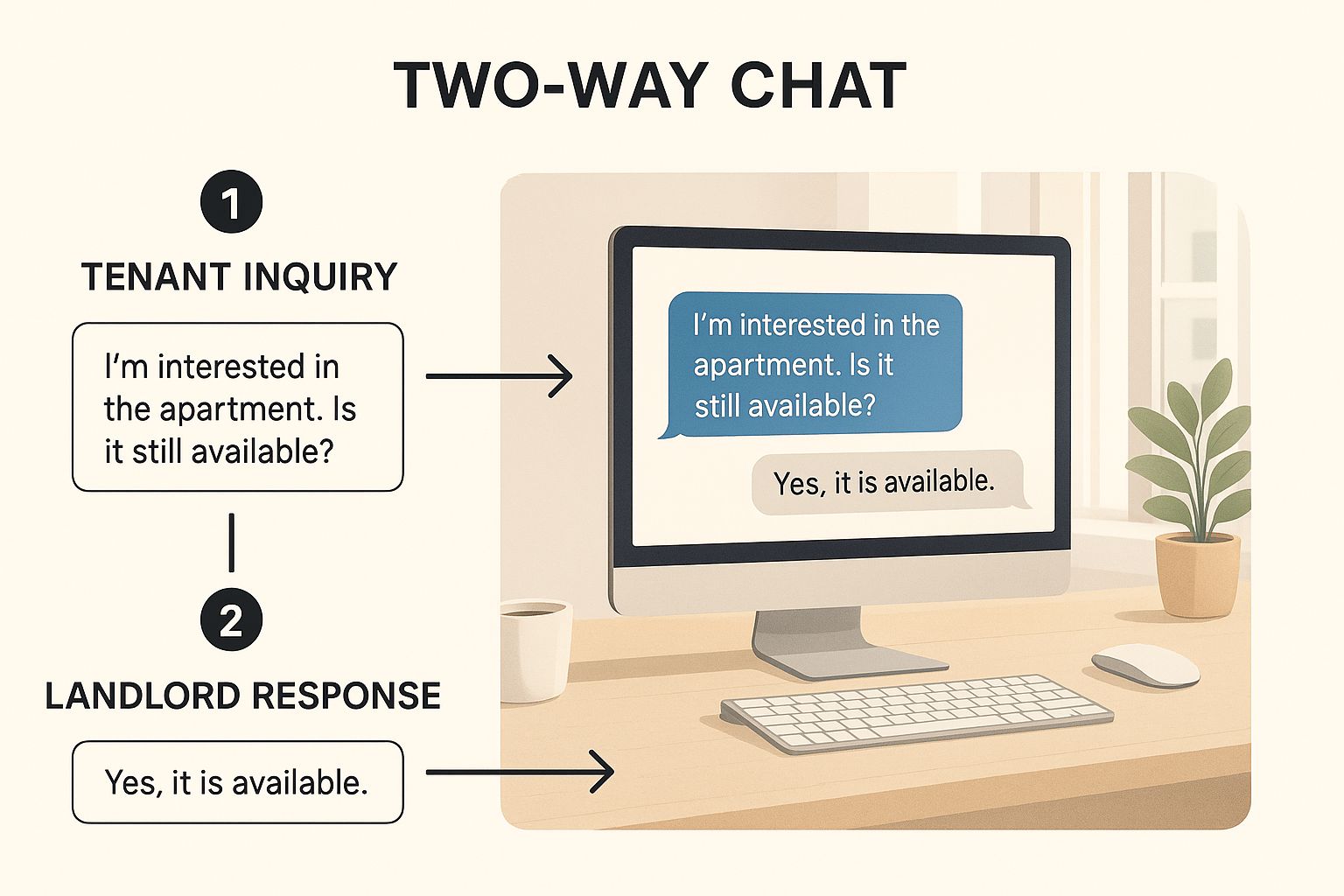
The real magic is efficiency. What used to take multiple phone calls is now handled in a single, trackable message.
Automating Rent Collection and Financials
If you still track rent checks by hand, it's time for an upgrade. Modern software automates the entire payment process. This is a huge win for remote owners.
- Automatic Payments: Tenants can set up recurring payments. This means rent arrives on time every month, improving your cash flow.
- Instant Notifications: The system sends reminders for upcoming rent and alerts for late payments. You no longer have to make awkward follow-up calls.
- Simplified Accounting: Every dollar is automatically logged. At tax time, you can generate detailed financial reports with just a few clicks.
For a truly integrated setup, look into comprehensive property management software like Uplisting. Finding the right platform is key. For a detailed breakdown of options, check out our property management software comparison guide.
Finding Tenants from Anywhere
Technology has also transformed the leasing process. You don't need to be in Monterey to market your property and screen applicants.
Digital tools let you create virtual tours with 3D imaging or video walkthroughs. Secure online application systems allow you to collect information and run background and credit checks from anywhere.
Key Technologies for Remote Landlords
| Tool Category | Core Function | Real-World Application |
|---|---|---|
| Property Management Software | Centralizes rent, maintenance, communication, and financials. | An owner portal shows you paid rent, new maintenance tickets, and tenant messages on one screen. |
| Online Payment Portals | Automates rent collection through recurring payments. | Tenants set up autopay, ensuring you receive rent on the 1st of the month without follow-up. |
| Digital Leasing Tools | Enables remote marketing, applications, screening, and e-signatures. | You list a vacancy online, run background checks, and send a lease for signature from your laptop. |
| Smart Home Technology | Provides remote control of property access and systems. | Grant a plumber temporary access with a smart lock code instead of driving to the property. |
These tools are essential for managing a property from miles away.
Key Takeaway: The right technology makes remote management more efficient and profitable than traditional methods. It provides a transparent, automated system that protects your asset.
By embracing these tools, you can oversee your property with confidence. This is the foundation of a successful remote management strategy.
Mastering Communication with Tenants from Afar

When managing a rental property from another city, your communication must be excellent. It is the foundation of a good landlord-tenant relationship. It also prevents small issues from becoming expensive problems.
Since you can't be there in person, you need a reliable system. It should be documented, professional, and easy for everyone to use.
The goal is to be very responsive. This shows tenants you care about their home, even if you're miles away. Good tenants are priceless when you're not local. A strong relationship encourages them to treat your property well and report problems quickly.
Create a Central Communication Hub
The most effective strategy is to use an online portal as the main point of contact. This creates a time-stamped, digital record of every conversation. It keeps everything organized and gives you a clear record if a dispute arises.
You still need a phone number for true emergencies, like a burst pipe. But for everything else, directing tenants to the portal streamlines your workflow.
Key Takeaway: A centralized communication system, like a tenant portal, creates a professional, documented record that protects both you and your tenant.
This approach makes managing expectations easier. Tenants know where to go for a response, and you have one place to check.
Set Clear Expectations and Response Times
From the start, outline your communication policies. Let tenants know your business hours and a timeline for responses, like within 24 business hours. This simple step prevents frustration and shows you have a professional process.
Automated messages are a great help. Use your software to send friendly rent reminders. Our guide on the ways to pay rent electronically explains how these systems benefit everyone.
Don't Forget the Personal Touch
Even with great systems, communication should not feel robotic. A few personal touches build goodwill.
- A Detailed Welcome Email: Send a welcome packet before they move in. Include a friendly greeting, instructions for the portal, utility info, and emergency contacts.
- Proactive Maintenance Updates: If a repair is scheduled, keep the tenant informed. A quick message—"The plumber is scheduled for Tuesday between 1-3 PM"—shows you’re on top of it.
- Bilingual Communication: In diverse communities like Salinas and Monterey, offering communication in English and Spanish is a huge advantage. It ensures nothing gets lost in translation.
Mastering remote communication blends efficient systems with genuine care. This will build strong tenant relationships and protect your investment.
Building a Bulletproof Remote Maintenance System
A middle-of-the-night call about a burst pipe is every remote landlord's fear. When you’re miles from your Salinas property, you need a solid maintenance system. It is the core of managing a rental from afar.
A good system protects your investment and keeps tenants happy. It’s about getting ahead of problems instead of just reacting to them. You need a clear plan for everything.
The Power of a Vetted Local Network
You cannot manage maintenance from a distance without a team of reliable professionals. Building this network of local vendors before you need them is crucial.
Think of this team as your first line of defense. They are your eyes and ears in Monterey County.
Your essential local vendor list should include:
- A General Handyman: For small-to-medium jobs.
- A Licensed Plumber: For any water-related issues.
- A Certified Electrician: For safety and code compliance.
- An HVAC Technician: For keeping tenants comfortable.
- A Landscaper: To maintain curb appeal.
Make sure every professional is licensed, insured, and has solid local references. This is why owners hire a professional property manager—they already have these trusted relationships.
Streamlining Repairs with Online Portals
Technology is your best friend for creating a documented, efficient repair process. Modern software offers online maintenance portals that change how you handle requests.
A tenant can log into the portal anytime, describe the issue, and upload photos. This creates a time-stamped digital record of the request.
This system delivers key benefits:
- Clear Documentation: Every request and update is logged. This is valuable for tracking repair history.
- Efficiency: You can see the issue in photos and forward the work order to the right vendor with one click.
- Transparency: Tenants can see the status of their request. This improves their satisfaction.
A well-managed online portal turns a stressful process into an organized workflow. It shows tenants you take their concerns seriously, even from a distance.
From Reactive Fixes to Proactive Care
The goal is to prevent problems before they start. Proactive maintenance is always less expensive and less stressful than emergencies.
For absentee owners, our estate caretaker and maintenance services provide this level of proactive oversight.
The U.S. property management industry has over 304,000 businesses helping owners like you. This shows there are robust systems to manage properties from anywhere. You can find more insights from these professional property management statistics at Doorloop.com.
This proactive approach requires a regular schedule of inspections. Here’s a checklist we use for our out-of-town investors:
Seasonal Proactive Maintenance Checklist
| Task | Frequency | Why It Matters for Remote Owners |
|---|---|---|
| HVAC Service | Twice a year (Spring & Fall) | Prevents system failure during peak seasons, avoiding emergency calls. |
| Gutter Cleaning | Annually (Fall) | Protects the roof and foundation from water damage. |
| Smoke/CO Detector Test | Annually | A critical safety measure that ensures tenant protection and legal compliance. |
| Appliance Check | Annually | Identifies potential leaks or malfunctions in dishwashers or refrigerators. |
| Pest Control Inspection | Annually or biannually | Catches infestations early before they cause structural damage. |
By building a trusted local team and using technology, you can create a bulletproof system. This is how you protect your Monterey Bay investment without the hands-on headaches.
Navigating Finances and Legal Rules From A Distance
When you own a property in Monterey or Salinas but live elsewhere, managing money and law is key. You need systems that give you a clear view of your finances and protect you from liability.
Getting this part right turns your rental into passive income instead of a constant stress.
Streamlining Your Financial Workflow
Forget about mailing checks or messy spreadsheets. Online owner portals give you a real-time window into your property's financial health.
These secure platforms provide:
- Secure, Automatic Rent Collection: Tenants pay online, and the money goes to your account. This smooths out your cash flow.
- Transparent Expense Tracking: Every maintenance invoice is digitized and categorized. You get a clear picture of your operating expenses.
- On-Demand Financial Statements: Your monthly profit and loss statements are just a few clicks away. Tax time becomes much easier.
This financial organization helps you maximize your returns. Be sure to check our guide on rental property tax deductions to ensure you’re not leaving money on the table.
Staying Compliant With California and Local Laws
Landlord-tenant law in California is complex. For an out-of-area owner, keeping up with every rule is a massive risk. A simple mistake can lead to a costly legal battle.
Staying compliant isn't just about following rules—it's about protecting your asset. Local expertise is your best defense against legal and financial risks.
You must also be aware of ordinances specific to Monterey County and Salinas. These local rules can dictate everything from security deposits to evictions.
How To Enforce The Lease From Afar
What happens when a tenant breaks a rule? You need a clear, legal process to address it immediately.
A local property manager acts as your representative to:
- Issue Proper Legal Notices: They ensure every notice follows the strict timelines required by California law.
- Document Everything: Every call, email, and notice is recorded. This paper trail is your best evidence in court.
- Handle Difficult Conversations: They can manage tense situations professionally, enforcing the lease while remaining respectful.
Managing finances and legal issues from a distance requires the right systems and team. Using technology for finances and local experts for legal compliance protects your investment.
FAQs About Managing Property Remotely
Here are the answers to the questions we hear most often from out-of-town owners.
How can I find a good property manager in Monterey County?
Finding the right local partner is the most critical decision you'll make. Look for a firm with deep roots in the community and a strong network of vetted local vendors. Ask about their experience with out-of-town owners, their process for after-hours emergencies, and the technology they use.
Is remote management as profitable as being on-site?
It can be more profitable because a great property manager saves you money. They prevent costly vacancies, cut down repair costs with reliable vendors, and help you avoid expensive legal mistakes. This allows you to focus on your career or finding your next investment.
How do I ensure my property is cared for when I am not there?
This requires a two-part strategy. First, a thorough tenant screening process places responsible residents in your property. Second, a system of regular oversight, including scheduled professional inspections and proactive maintenance, catches small issues before they become big problems.
How often should I visit my rental property?
If you have a trusted property manager and solid systems, you shouldn't need to visit often. An annual visit can be a good idea to see your investment and meet with your management team. But if your systems are working, your physical presence isn't necessary for day-to-day operations.
What is the best way to handle maintenance from afar?
The best approach is a centralized system. An online portal where tenants can submit maintenance requests with photos creates a documented paper trail. Your property manager can then dispatch a pre-vetted, licensed, and insured local vendor to handle the repair professionally.
Ready to turn your Monterey County property into a stress-free, profitable investment? The team at Torrente Property Management combines decades of local expertise with modern technology to deliver true peace of mind. Contact Torrente Property Management today at (831) 582-8916.

Salinas Rental Property Services: What Owners Need to Know
Owning a rental property in Salinas is a great way to build income. But turning that opportunity into a stress-free asset means having the right support. Think of it this way: you can pilot the plane yourself, or you can use an autopilot system that manages the flight for you. Effective Salinas rental property services are that autopilot.
These services blend smart leasing, proactive maintenance, and clear financial reporting. They help you succeed without the daily stress.
Why Salinas Rental Property Services Matter
Managing a rental is a real business, not just a side job. It is more than just collecting a rent check each month. It requires deep knowledge of the local market, legal rules, and being available 24/7.
Without support, owners can feel buried in late-night tenant calls and emergency repairs. The paperwork alone can be overwhelming.
The Salinas rental market is strong, but landlords must be prepared. The numbers show this clearly. As of late 2024, the median rent for a 2-bedroom apartment in Salinas was $2,500. This shows high demand but also high stakes for owners. You can see more Salinas rental market statistics to understand local trends.
A professional property manager is your local expert and advocate. They handle the complex details so you can enjoy owning your property without the headaches.
Here is a quick look at the core services that keep a rental property running well.
Essential Services for Salinas Rental Owners
This table shows the key services that make a rental property profitable and well-kept.
| Service Area | How It Benefits You |
|---|---|
| Strategic Leasing & Marketing | Fills empty units quickly with great tenants, so your income stream stays steady. |
| Proactive Property Maintenance | Protects your property's value, stops small issues from becoming costly problems, and keeps tenants happy. |
| Transparent Financial Reporting | Gives you a clear, real-time view of your investment's performance, removing financial guesswork. |
| Local & State Law Compliance | Helps you navigate complex laws to avoid expensive fines and legal issues. |
These services form the foundation of successful property management. They turn your Salinas rental from a demanding job into a passive investment.
Navigating the Salinas Rental Market
To succeed with your investment property, you need to understand the Salinas rental market. Setting a rent price is one thing. Knowing the local area and what tenants truly want is another.
This insider knowledge helps your property stand out. It makes the difference between a vacant unit and a profitable one.
Understanding Tenant Expectations in Salinas
Today’s renters in Salinas expect more than just a roof over their heads. They have specific wants and needs.
Focusing on these details can shorten how long your property is empty. It also attracts better applicants.
Here are a few top features that Salinas renters look for:
- Modern Kitchens and Bathrooms: Updated fixtures and clean, modern spaces are very appealing.
- Durable and Attractive Flooring: Old carpet is a turn-off. Hardwood, laminate, or vinyl plank flooring is a big plus.
- Outdoor Space: A nice yard, a patio, or even a small balcony adds valuable living space.
- Ample Storage: Walk-in closets and garage space are practical features renters love.
A local property manager can guide you on which upgrades offer the best return. They use data to show what tenants in your specific neighborhood want. This ensures your money is spent wisely. For more on the area, see our guide to the best neighborhoods for families in the Monterey Bay area.
A Leasing Process That Protects Your Investment
Finding a tenant for your Salinas property is easy. Finding the right one is the real challenge.
A solid leasing process is the best way to protect your investment. It ensures you place reliable people who will care for your home. This is about more than a "For Rent" sign; it's a professional strategy.
It starts with marketing that works. We use high-quality photos and great descriptions. We list your property on top rental sites to create demand.
Rigorous Screening and Placement
Once applications arrive, the real work begins. Our screening process is a deep dive into each applicant's history.
Every applicant goes through a full review that covers:
- Credit and Background Checks: We look at their financial history for any red flags.
- Employment and Income Verification: We confirm they have a stable income to afford the rent.
- Rental History Review: We call previous landlords to ask about payment history and how they cared for the property.
This process minimizes your risk and helps secure a high-quality tenant. The infographic below shows how these steps work together.
This structured approach protects your investment from start to finish.
Strong Leases and Clear Communication
After an applicant is approved, we create a strong lease agreement. This legal document clearly defines everyone's responsibilities. It covers rent payments, maintenance rules, and more.
In a diverse community like Salinas, clear communication is vital. That’s why our bilingual services in English and Spanish are so important. It ensures everyone understands the lease and builds trust from day one.
This approach also widens the pool of great potential tenants. To learn more, explore our tenant placement services. We also use tools like an end of tenancy cleaning checklist to make move-outs smoother.
Keeping Your Property in Prime Condition
Good maintenance is the foundation of a successful rental property. It protects your property's value and keeps tenants happy. It also stops small issues from becoming expensive disasters.
The key is to be proactive, not reactive. A smart maintenance plan anticipates problems instead of just waiting for them to happen. This saves you money and stress in the long run.
Our Maintenance and Repair Approach
Successful Salinas rental property services don't just put out fires. They create a complete health plan for your home.
Our strategy includes three key parts:
- Routine Upkeep: This is the scheduled work that keeps a property at its best, like gutter cleaning and HVAC servicing.
- Emergency Repairs: When a pipe bursts, you need a system that responds 24/7. We have a network of trusted local contractors ready to go.
- Preventative Measures: This is where you save the most money. We identify and fix potential problems before they become emergencies.
Proactive maintenance is an investment in your property. It lowers repair bills and helps keep good tenants longer.
The Value of a Vetted Local Network
Working with a professional manager gives you access to a trusted team of local experts. We have a network of licensed and insured plumbers, electricians, and other vendors. They do quality work at fair prices.
An efficient system for handling tenant repair requests is also key. When tenants feel heard, they are happier and more likely to stay. This reduces turnover costs for you. Learn more about our estate caretaker and maintenance programs.
Clear Financials and Easy Communication
Your rental property is a business. Like any business, you need a clear view of its financial health. Modern Salinas rental property services provide this clarity.
Forget about messy spreadsheets and shoeboxes full of receipts. We provide easy-to-read monthly owner statements. You will see exactly where every dollar comes from and where it goes.
Your Secure Online Owner Portal
Our secure online owner portal is the command center for your property. You can access it 24/7 from any device. It is designed for both hands-on and hands-off owners.
Inside the portal, you can find:
- Detailed Financial Reports: Access monthly statements and year-end summaries to make tax time easy.
- Important Documents: View lease agreements, inspection reports, and vendor invoices.
- Maintenance Updates: Track repair requests from start to finish.
This level of transparency is key. It ensures you always have an accurate picture of how your investment is performing.
Making Sense of the Numbers
Understanding your property's performance is what makes you a savvy investor. One key metric is your Net Operating Income (NOI). It shows your property's true profitability. You can learn more about what Net Operating Income is and how it affects your bottom line.
Understanding your taxes is also critical. Good reporting tools help you stay compliant and in control of your finances. For general information, guides like this one on UK Property Rental Income Tax Explained for Landlords can be helpful.
Finding the Right Fit for Your Ownership Style
Every property owner is different. The best Salinas rental property services understand this. They offer flexible solutions designed around your specific needs and goals.
We build a partnership that feels right for you. Whether you live far away or nearby, we can help turn your rental into a truly passive investment.
For the Hands-Off Investor
If you see your property as a pure income source, our full-service plan is perfect. This is the "set it and forget it" option.
This all-in approach handles everything:
- Marketing and Leasing: We advertise your property and run our tough screening process to find the best tenant.
- Day-to-Day Operations: We collect rent, handle all tenant communication, and manage maintenance calls 24/7.
- Financial Oversight: You get detailed monthly statements to track your investment without the administrative work.
This is ideal for busy professionals or out-of-town owners. Learn more about our approach to rental property management for out-of-town owners.
For the Hands-On Landlord
Maybe you are a local owner who likes being a landlord but dislikes finding new tenants. If so, a leasing-only service could be a great fit.
This service handles the hard work of marketing, showing the property, and screening applicants. Once we place a great tenant, you take over the day-to-day management.
It is a great way to fill vacancies fast without giving up control. We customize our support to help you succeed.
FAQs About Salinas Rental Property Services
Here are answers to some common questions we hear from property owners. Our goal is to give you clear information to help you make smart decisions.
How do you set the rent for my Salinas property?
We perform a detailed market analysis, comparing your property to similar rentals in your specific Salinas neighborhood. We look at size, condition, amenities, and current demand. This data-driven approach helps us set a competitive rent that maximizes your income and minimizes vacancy time.
What does your tenant screening process include?
Our screening process is very thorough because finding the right tenant is crucial. We check credit history, background reports, and eviction records. We also verify income and employment and call past landlords for references to get a complete picture of each applicant.
How are maintenance and repairs handled?
Tenants submit repair requests through their online portal, so we know about issues right away. We then send a trusted professional from our vetted local network to handle the job quickly. You always approve major expenses before any work begins, so there are no surprises.
Do I have the final say on who rents my property?
Yes, you always have the final say. Our job is to market the property, show it, and screen applicants thoroughly. We then present you with the most qualified candidates and our recommendation, but the final decision is always yours.
Why are bilingual services important in Salinas?
Salinas has a large and vibrant Spanish-speaking community. Offering services in both English and Spanish is essential for clear communication. It widens the pool of great applicants and helps build positive, respectful relationships with all tenants.
At Torrente Property Management, our commitment is to provide the expert support Salinas property owners need. If you have more questions or want to discuss your property, Contact Torrente Property Management today at (831) 582-8916. You can also learn more at Torrente Property Management.

Top Investment Property Management Services in Salinas (2025)
The Salinas rental market is dynamic and full of opportunity for investors. With rental vacancy rates in Monterey County at a tight 4.1% (according to the U.S. Census Bureau), demand for well-managed properties is high. However, handling local rules, finding good tenants, and keeping your property in shape can be a lot of work.
This guide breaks down the top investment property management services in Salinas (2025). We will help you find a partner who does more than just daily tasks. A great manager works to maximize your return on investment.
A professional property manager is key to turning your property into a hands-off income source. We’ve researched the top local firms to give you a clear comparison. Each review covers key features and services to help you choose the best fit for your portfolio.
1. Torrente Property Management Inc.
Torrente Property Management Inc. is a top choice for investors who want complete, hands-on management in Salinas. With over 23 years of local Monterey Bay experience, this firm knows the market well and uses modern technology to be efficient. Their full-service approach is designed to give you total peace of mind, making them one of the top investment property management services in Salinas for 2025.

What really makes Torrente different is that they treat every property like it's their own. This means they pay close attention to every detail, from marketing your property to handling maintenance and finances. For owners who live out of the area, Torrente offers a turnkey solution that protects property value while boosting investment returns.
Why It's a Top Choice for Salinas Investors
Torrente’s services are built on trust and local expertise. The team is bilingual (English and Spanish), which helps them reach more qualified tenants in the diverse Salinas market. Clear communication is a big advantage for everyone involved.
Their service is perfect for investors looking for a hands-off experience. Torrente manages everything from leasing to capital improvements. They find the right tenants through careful screening and handle 24/7 emergency maintenance calls. This proactive style keeps your property filled and protected.
Key Insight: Endorsed by long-term clients, Torrente Property Management provides a seamless, worry-free experience for out-of-area and hands-off investors. They blend robust technology with personal service for total transparency and exceptional care.
Comprehensive Feature Analysis
Torrente’s offerings cover every need for residential and commercial property owners. Their turnkey services are designed to maximize your ROI.
- Leasing & Tenant Management: They handle professional marketing, detailed tenant screening (credit, criminal, eviction history), and expert lease signing.
- Financial Reporting & Oversight: Owners get access to a secure online portal with detailed monthly statements and direct deposit of rental income. This transparent reporting makes it easy to track your investment's performance.
- Maintenance & Capital Improvements: They provide 24/7 emergency response and coordinate all routine maintenance. They also manage strategic upgrades to increase your property's long-term value.
- Vacant Home Caretaker Program: A special service for second homes or empty properties, it includes security checks, systems monitoring, and maintenance to keep your asset safe.
By offering these complete services, Torrente allows investors to step back from daily operations while staying informed.
Website: https://torrenteproperties.com
2. Bay Property Management
With over 30 years of service in the Salinas Valley, Bay Property Management is known for being reliable and knowledgeable. This full-service firm manages single-family homes, condos, and small apartment buildings. Their deep roots in the community mean they understand the local rental market inside and out.
Bay Property Management stands out with its "no-pay-until-rented" policy. Owners don't pay a management fee until a qualified tenant is placed in their property. This approach aligns their success with the owner's, which motivates them to lease properties quickly and effectively.
Key Features and Services
Bay Property Management offers a full range of services to make property ownership easy.
- Owner & Tenant Portals: Both parties have 24/7 access to financial reports, maintenance requests, and messages for total transparency.
- Proactive Leasing: They manage everything from marketing and showings to creating legally sound lease agreements.
- Rigorous Tenant Screening: Their process includes credit checks, rental history verification, and income confirmation.
- Maintenance Coordination: They handle all repair requests and work with a network of trusted local vendors.
Why It Stands Out
Bay Property Management’s long history in the community is a major plus. Their experience helps them understand local rent values and tenant needs. This local focus is key for owners who live elsewhere. You can learn more about how they streamline tasks by reading about property management workflow automation.
Visit their website: https://www.baypropertymgmt.com
3. Backus Properties
For investors who want a personal touch, Backus Properties offers a high-quality service. They specialize in single-family homes, condos, and townhomes in Monterey County. Their team focuses on direct communication and customized solutions, which is great for owners who want a close relationship with their manager.
Backus Properties combines traditional, relationship-based service with modern technology. They offer online portals for payments, maintenance requests, and financial reporting. This balanced approach provides efficiency without losing the personal oversight that protects your investment.
Key Features and Services
Backus Properties provides a full range of services for a hands-off ownership experience.
- Comprehensive Leasing Services: They handle marketing, showings, and lease signing to place the right tenant.
- Online Portals: Owners can view financial statements, and tenants can pay rent and submit maintenance requests online.
- Thorough Tenant Vetting: They run credit, income, and rental background checks to find reliable tenants.
- Maintenance & Repair Management: They coordinate all repairs with trusted local vendors to ensure quality work.
Why It Stands Out
The main benefit of Backus Properties is its personal service. Owners have a direct line of communication with a manager who knows their property well. To understand more about the role of a dedicated manager, you can explore what a property manager does.
Visit their website: https://www.backuspm.com
4. Coast & Valley Properties
Coast & Valley Properties offers a specialized experience for investors with luxury homes or commercial properties. Based in downtown Salinas, they focus on preserving property value and maximizing returns for high-end real estate. This makes them a top choice for owners of premier assets.

What makes Coast & Valley different is their consulting approach. They offer free, personalized property consultations to understand an owner's goals before creating a management plan. This custom service, combined with the powerful AppFolio platform, ensures a professional experience.
Key Features and Services
Coast & Valley Properties provides services designed for the premier and commercial property markets.
- Luxury & Commercial Specialization: They are experts in managing high-end single-family homes, estates, and commercial buildings.
- AppFolio Online Portals: Owners and tenants get 24/7 online access to financial statements and maintenance requests.
- Personalized Consultations: Every new client relationship starts with a free, tailored consultation.
- Full-Service Leasing: They manage the entire tenant placement process, from marketing to screening.
Why It Stands Out
Coast & Valley’s focus on the luxury and commercial markets is its key advantage. This specialization allows them to provide a level of service that high-value investments need. Their downtown Salinas office makes them accessible, and their custom approach ensures owners get a plan that fits their unique property.
Visit their website: https://coastandvalleypm.com
5. 36 North Property Management
36 North Property Management serves both residential and commercial investors in the Salinas market. Their local presence on Main Street is a key part of their service. They use modern technology to streamline operations, making them a strong choice for investors who want a mix of community connection and digital tools.

What makes 36 North different is its ability to manage a wide range of properties, from single condos to commercial buildings. This flexibility is great for investors with different types of assets. Their use of online portals and digital marketing shows they are committed to modern practices.
Key Features and Services
36 North provides a strong set of services for a wide range of property investment strategies.
- Broad Asset Management: They offer full-service management for single-family homes, multi-unit properties, and commercial real estate.
- Tech-Forward Operations: Owners get online reporting, and potential tenants can apply directly through their website.
- Strategic Marketing: Properties are advertised on multiple online platforms to reduce vacancy times.
- Community Engagement: Their downtown Salinas office shows a strong commitment to the local area.
Why It Stands Out
36 North’s main benefit is its versatility in managing mixed residential and commercial portfolios. This makes them a great partner for investors looking to grow or diversify their holdings in the Salinas Valley. Their hands-on support for multi-unit properties is often praised by owners.
Visit their website: https://36northpm.com
6. Mangold Property Management
With over three decades of experience, Mangold Property Management is a major player in the Monterey Bay area. They manage thousands of residential and commercial units. Their large scale gives investors access to a huge network and proven management systems.

What makes Mangold unique is its ability to handle different asset classes, from single-family homes to large commercial properties. Their online portals for owners and residents make communication and financial reporting easy. This modern convenience simplifies oversight for owners.
Key Features and Services
Mangold Property Management offers a strong set of services backed by their large operational capacity.
- Diverse Portfolio Management: They are experts in managing both residential and commercial properties.
- Centralized Online Portals: Owners can easily access financial statements, while residents can pay rent and submit maintenance requests online.
- Regional Office Network: Multiple offices across the Monterey Bay area provide broad coverage.
- Full-Service Leasing: They handle marketing, tenant screening, and lease negotiations.
Why It Stands Out
Mangold’s size and 30+ years in the market are its biggest strengths. Their experience gives them a deep network of trusted vendors, often leading to cost-effective repairs. Property owners can learn more about the complexities they handle by reading about California's landlord-tenant laws.
Visit their website: https://www.mangoldproperties.com
7. All Property Management (Salinas Marketplace)
For owners who like to compare options, All Property Management offers a unique solution. It is a marketplace that connects property owners in Salinas with pre-vetted local management firms. It is a great starting point for investors who want to see the range of services available in the market.
The process is simple: owners submit details about their property, and the platform matches them with up to three qualified companies. This allows for a side-by-side comparison without making a lot of calls. This marketplace empowers owners with choice and information.
Key Features and Services
All Property Management simplifies the process of hiring a manager with its user-friendly tools.
- Free Property Manager Matching: Submit your property details once and get contacted by multiple qualified managers.
- Filters for Specific Needs: Easily narrow your search based on property type and required services.
- Access to a Vetted Network: The platform features both small local agencies and larger firms.
- Buildium Backing: As part of the Buildium family, the platform is backed by a leader in property management software.
Why It Stands Out
The main advantage of All Property Management is its efficiency. It saves investors time by consolidating the research phase into one simple step. This is especially helpful for understanding all available options, including the various property maintenance services in Salinas that different companies provide.
Visit their website: https://www.allpropertymagement.com/property-management/ca/salinas/
Frequently Asked Questions
What does a property management company do?
A property management company handles the daily operations of a rental property for the owner. This includes finding and screening tenants, collecting rent, handling maintenance requests, and managing finances to ensure the property is profitable and well-maintained.
How much do property managers in Salinas charge?
Fees typically range from 8% to 12% of the monthly rent, but this can vary. Some companies charge a flat fee or have different pricing for services like tenant placement. It is important to understand what is included in the fee.
Why should I hire a property manager for my Salinas property?
A local property manager understands the Salinas market, rental laws, and has a network of trusted vendors. They save you time, reduce stress, and can often increase your ROI by minimizing vacancies and ensuring timely maintenance.
Can a property manager help increase my investment's ROI?
Yes. A good property manager maximizes your Return on Investment (ROI) by keeping your property occupied with reliable tenants. They also recommend strategic upgrades and manage expenses efficiently to boost your property's long-term value.
What should I look for in a top property management service?
Look for a company with strong local expertise, transparent communication, and comprehensive services. Check their online reviews, ask for references from current clients, and make sure they use modern technology to keep you informed.
Conclusion: Partner with an Expert for Success
Choosing the right property management firm is a critical decision for your real estate portfolio. The Salinas market in 2025 offers great opportunities, but it requires an expert to navigate. The firms we've highlighted each have unique strengths for different investor needs.
Your final choice depends on matching a company’s services with your goals. The key is to find a partner who will protect and grow your investment for the long term. A top firm will act as a strategic advisor, helping you maximize your property's potential and achieve financial success.
Ready to make your Salinas rental a high-performing, hands-off investment? Contact Torrente Property Management today at (831) 582-8916. Our team combines local expertise with a full-service approach to enhance your property's value and deliver peace of mind.