
Someone Wants to Rent Your Monterey Home Before You List It. Now What?
You have not advertised anything yet. And somehow a polite, detailed email is already sitting in your inbox from a family who wants your house.
They introduce themselves. They list their credit score, their references, their move-in window. One note I read recently asked, very politely, whether we keep a waitlist for future vacancies. It is flattering, and it is tempting, because it looks like you just skipped the whole process.
The real question underneath it is whether saying yes to an early contact is a smart shortcut or an expensive one. I want to walk through what that off market decision actually costs you in rent, in risk, and in documentation, and give you a middle path that keeps the early contact in play.
Steady Inquiries Mean the Market Is Tight, Not That Your Price Is Right
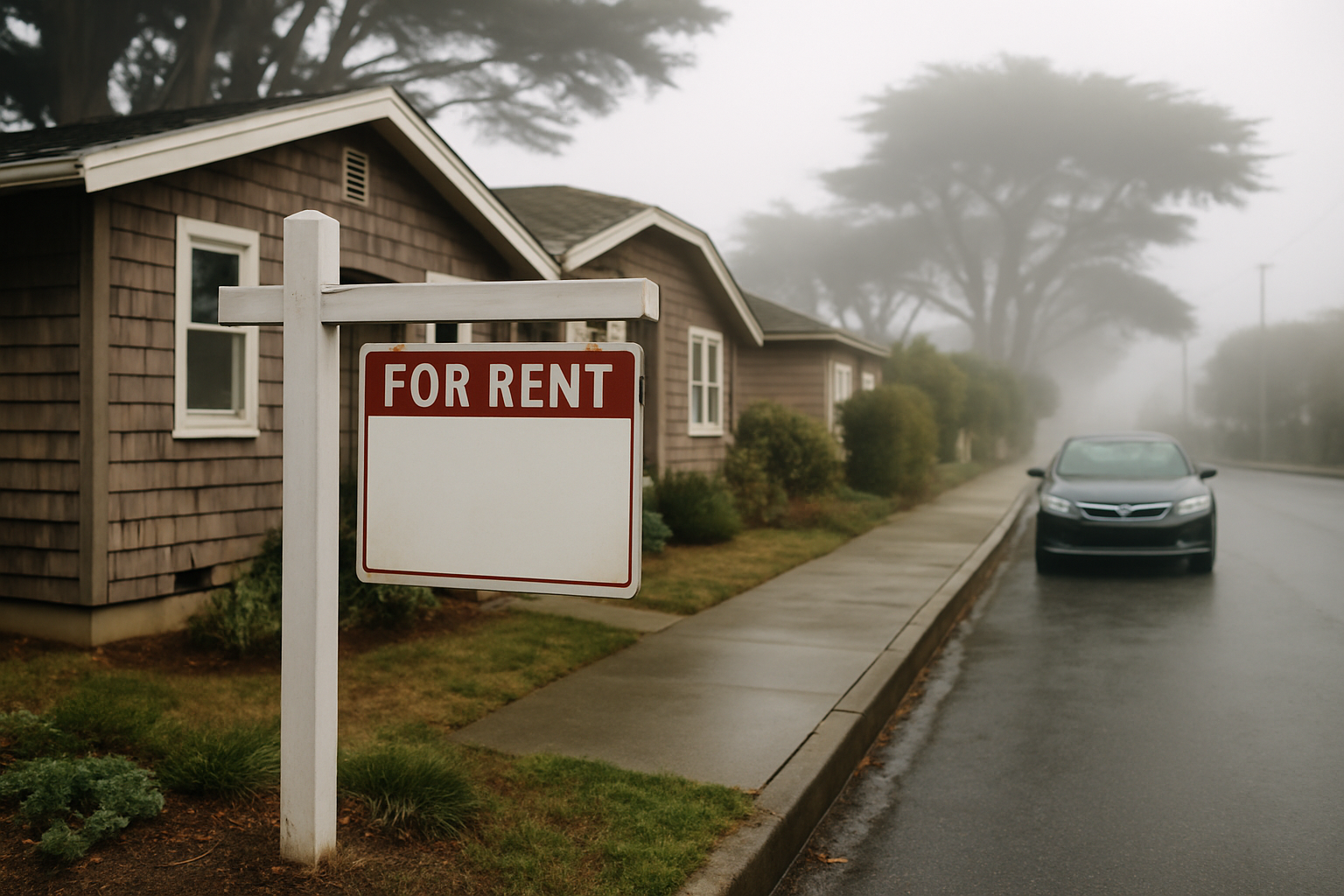
We get the other version of this constantly. Someone spots a For Rent sign on a Pacific Grove or Carmel street, cannot find that address anywhere online, and emails asking what else is available around the same price point.
Owners read that as proof they do not need to advertise. What it actually proves is that inventory on the Peninsula is thin and renters are hunting hard.
An interested stranger at your door tells you nothing about what your home is worth. Here is the split:
- What an inquiry tells you: demand exists, your neighborhood is on people's lists, and your turnover timing is reasonable
- What it does not tell you: the market rent, how many people would have competed, or whether this applicant would have been your strongest one
- What it quietly costs you: any record of what the home would have drawn on the open market
This matters more in a flat year than a rising one. Widely cited rental data for 2026 puts average Salinas rents in the neighborhood of $2,350 and Monterey closer to $2,795, with year over year growth under one percent, and at least one other source reads Monterey several hundred dollars lower. Treat those as general market context, not a quote for your home.
When rents are not climbing, your return comes from two places: days of vacancy avoided and a price set against real comparable evidence. An owner who takes the first private offer has neither.
The Fair Housing Exposure Most Self Managing Owners Miss
This is the part that worries me most when an owner tells me they already found someone.
When you choose a tenant from a small, self selected pool of people who happened to email you, it becomes very hard to show that you applied the same standard to everyone. There is no written criteria, no record of who else inquired, and no way to demonstrate why one applicant was approved and another was not.
California protections also reach further than the federal baseline. State law covers advertising, rental decisions, and tenant selection, and the protected characteristics include source of income, immigration status, citizenship, and primary language, which catches a lot of owners off guard. The California Civil Rights Department lays out the full list.
Consistency in practice looks like this:
- Written criteria set before anyone applies, covering income, credit, and rental history
- Listing language that describes the property, not the ideal resident
- The same information given to every inquiry, in the same way, in the order received
- The same verification for everyone, including the applicant whose email charmed you
A well written introduction email is a pitch. It is not verification. Credit, income, and rental history still have to be pulled and checked for the family with the 720 score and the two indoor cats exactly like they are for anyone else.
The Sequence That Keeps Both Options Open
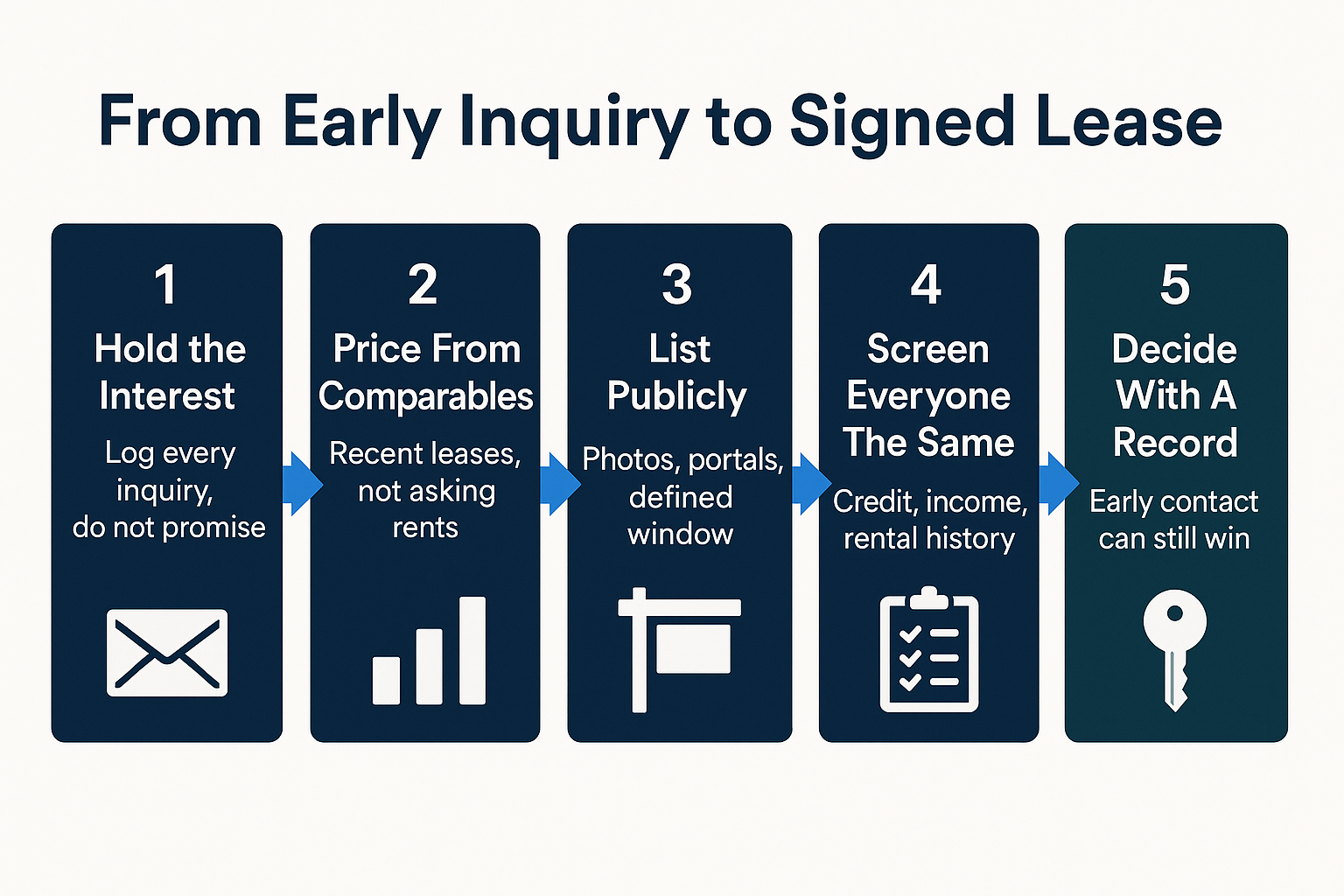
This is the order I use when an owner has early interest in hand but has not listed yet.
The Middle Path: Hold the Interest, Then List Anyway
I am not telling you to ignore the person who emailed. Early interest is genuinely useful, and I treat it as free information.
It helps you gauge demand before you spend a dollar. It helps you time turnover work so the paint and carpet finish the week before you go live instead of three weeks after. And it gives you a short interest list waiting on day one of the listing.
That matters in Monterey, where relocating military households often reach out weeks ahead of orders and ask for virtual tours before they ever set foot on the Peninsula. Those are real, qualified prospects. You just do not have to hand them the house in March for a June vacancy.
The honest sequence is simple:
- Hold the interest. Reply, thank them, tell them when the listing goes live.
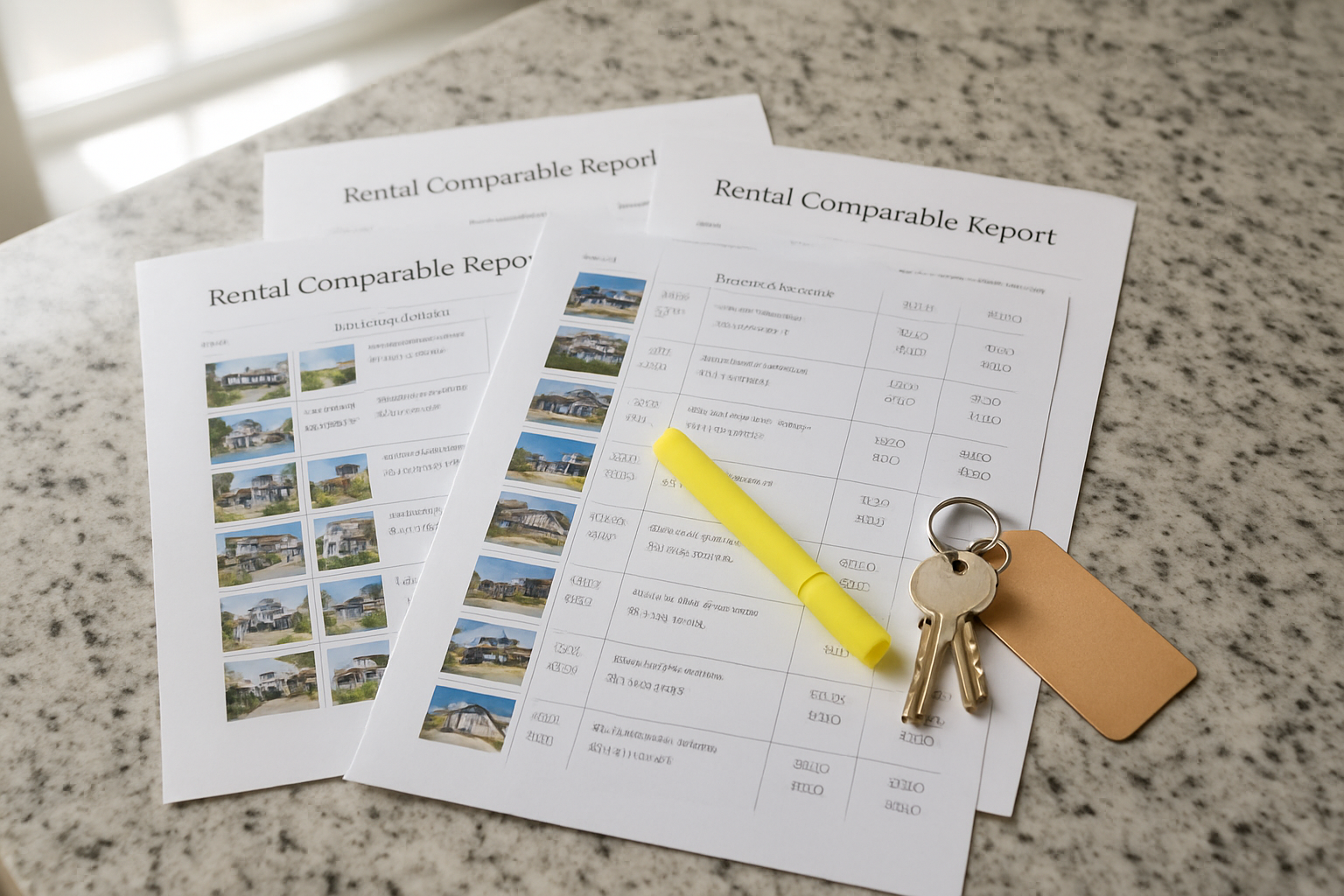
- Set the rent from comparables, using recent signed leases in the same submarket, not asking prices.
- Publish the listing for a defined window, usually a week or two, before you make any decision.
- Run every applicant through the same screening, in the order applications come in.
- Then decide.
The early contact can absolutely still win the home. The difference is that now you know what the rent should be, and you can show exactly how the decision was made. If you want a realistic sense of how long each phase takes, we broke it down in how long it takes to rent out a Monterey Bay home, week by week.
Off Market vs Public Listing: What Actually Changes
Same house, same tenant pool interest, two very different positions for the owner.
| What You Are Deciding | Renting Off Market to an Early Inquiry | Listing Publicly First |
|---|---|---|
| How rent gets set | Whatever number feels right or what they offer | Set against recent comparable leases in the submarket |
| Size of applicant pool | However many happened to email you | Everyone searching that price range and area |
| Fair housing record | Hard to show consistent criteria | Written criteria, same process documented for all |
| Time to fill | Can be fast, but no backup if they fall through | Slightly longer up front, usually with a second option |
| Evidence for next renewal | No market benchmark to point to | Documented demand and pricing history |
Speed and Access Decide These Leases More Than Anything Else
Once you do list, the winner is usually whoever answers fastest and makes it easiest to see the place.
One applicant in Monterey wrote to us after touring a unit because the online application kept returning an error message. Several other people have simply asked how to arrange a viewing. Those are not complicated problems, but every hour they sit unanswered is a day of vacancy you are paying for.
So before you publish anything, sort out:
- How people apply, and whether that link actually works on a phone
- How fast someone answers, including evenings and weekends
- Whether you can show the home on a Saturday or only Tuesday at 2 p.m.
- Whether you can send a video walkthrough to the relocating applicant who cannot fly in for three weeks
Tenants who praise a smooth lease-up almost always mention the same two things. One of our reviewers put it plainly: "They made the leasing process smooth and kept me well informed at every step." - Joanna R.
If you are handling this from Arizona or Texas or overseas, the access problem gets bigger fast. We covered how owners solve it in renting out your Monterey Bay home from a distance, and the prep side in getting a Monterey Bay rental ready.
Frequently Asked Questions About Renting Off Market in Monterey County
Is it illegal to rent my house to someone who contacted me before I listed it?
No. Renting off market is legal in California. The risk is not the private deal itself, it is that you have no documented, consistent process if a rejected applicant later questions how you chose. Written criteria and the same screening for everyone protects you either way.
What if I just want to avoid the hassle of showings?
That is a fair goal, and you can get there without giving up pricing evidence. Group showings, a short listing window, and a working online application cut the showing load down to a few hours total. The vacancy you avoid by pricing correctly usually outweighs the time you save by skipping the listing.
How do I set rent if I do not list publicly?
You pull recent signed leases for comparable homes in the same submarket, not asking prices from listings that have sat for a month. Salinas, Seaside, and Pacific Grove price very differently for the same square footage, and 2026 has been close to flat, so a guess of $150 to $200 off is real money over a twelve month lease.
Can I keep a waitlist of interested renters?
You can keep a log of who inquired and when, and contact them when something comes available. Just give everyone on it the same information at the same time, and let them all apply through the same process.
Does any of this change for a Salinas property?
The fair housing rules are the same statewide. Salinas owners have an additional local layer to track through the city's rental registration program, which is worth sorting out before a unit goes on the market rather than after.
Weighing How to Fill a Vacancy?
Pricing judgment comes from repetition, and our team lists and shows homes across Monterey, Pacific Grove, Seaside, Marina, and Salinas every month, in both English and Spanish, in a county where a large share of residents were born outside the United States. If you are sitting on an early inquiry and trying to decide whether to list, we are available by phone at (831) 582-8916 or through the contact form at torrenteproperties.com.


Storm Damage at a Monterey Bay Rental: What to Document and When
Most owners I talk to in December are not worried about the forecast. They are worried about the phone call that comes at 9 p.m. saying there is water coming through the ceiling and they are 2,000 miles away with no idea who to call.
That call is more likely this year. NOAA's Climate Prediction Center has carried an El Nino Advisory since June 2026 and puts the odds of a very strong event above 90 percent for fall and winter, with the heaviest rain signal pointed at coastal California and ramping up hardest January through March 2027. That is a planning fact, not a reason to panic.
This article is about what happens after water gets in. What counts as a real emergency, what to photograph and when, and why the record you build in October decides how a February insurance claim gets treated.
The first 24 to 48 hours: what is an emergency and what can wait
The first judgment call is whether this is a same-night problem or a weekday vendor visit. Getting that wrong costs money in both directions. Owners who treat everything as an emergency pay after-hours rates for a fence repair, and owners who sit on a real one turn a drying job into a reconstruction job.
Treat it as a same-night emergency when:
- Water is actively entering the living space, through a ceiling, a light fixture, a wall, or a window frame
- There is a visible roof breach or missing roofing material
- There is a sewage backup or standing water near electrical panels and outlets
- Heat or power to the unit is down during a cold, wet stretch
The reason the line matters is habitability. Under California law a rental has to stay weatherproof and have working plumbing, heat, and electrical. A leak you knew about and left alone stops being a repair question and becomes a legal one.
The other thing to get right in those first hours is the photo. A picture taken while water is still standing or actively running is worth far more to a carrier than a careful set taken three days later once everything dried and the stain faded. Timing beats thoroughness on the first walkthrough. The detailed second pass can wait.

Sudden water intrusion vs. slow seepage: the gap that costs owners money
Here is where most claims are won or lost. Carriers treat sudden, accidental water intrusion very differently from slow seepage or deferred maintenance. The first is usually covered. The second usually is not.
What decides which bucket your claim lands in is almost never the damage itself. It is whether you can show the condition of the roof, gutters, and drainage before the storm. Without that, an adjuster is looking at a stained ceiling and a clogged downspout and drawing their own conclusion.
A usable record is simple and boring:
- Dated photos of gutters after cleaning, not before, so there is proof the work happened
- Exterior and roofline images from each side of the building, taken the same day
- Water heater photos showing the base, the pan, and any corrosion at fittings
- Under-sink and shut-off valve shots in every bathroom and the kitchen
- A short written note of when each item was last serviced and by whom
I tell owners to think of it as four sets a year instead of one scramble in January. A quarterly photo record built during dry months is exactly what makes a February claim easy to explain, and it doubles as the baseline you need for deposit deductions after move-out when a tenant eventually leaves.
Storm Call Triage: Emergency or Weekday Visit
This is roughly how our team sorts storm calls across Monterey, Salinas, Seaside, and the Peninsula once the rain starts.
| What the tenant reports | How to treat it | Why |
|---|---|---|
| Water dripping from a ceiling or light fixture | Same-night response | Active intrusion spreads into insulation and framing within hours |
| Missing shingles or a visible roof opening | Same-night tarp | A tarp tonight is a drying bill, not a rebuild |
| Sewage backup or water near the panel | Same-night response | Health and electrical hazard, habitability issue |
| No heat or power during a storm | Same-night response | Habitability requirement under California law |
| Gutter overflowing, no interior sign of water | Next business day | Needs clearing, but no damage clock running yet |
| Standing water in the yard or driveway | Next business day | Drainage issue unless it is reaching the foundation |
| Fence down, limb on the ground | Next business day | Property damage, not a safety or habitability problem |
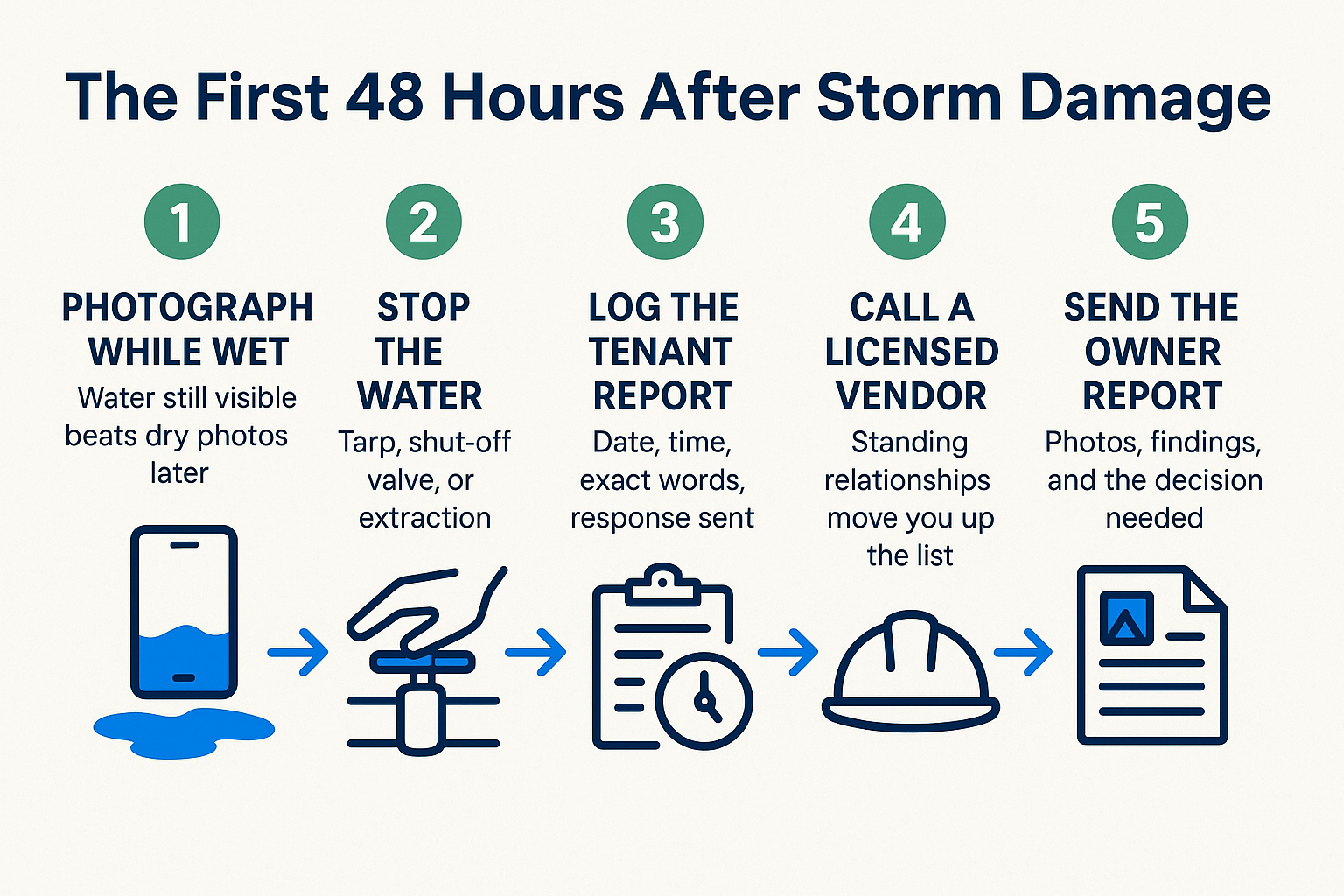
What the First 48 Hours Should Produce
If a storm hits your property, these five things should exist by the end of the second day.
Vacant and seasonal homes: where the damage multiplies
The worst water damage I see is almost never at an occupied rental. It is at a closed-up house in Carmel, Carmel Valley, or Pebble Beach where nobody has walked through since Thanksgiving.
An occupied home has a tenant who notices a drip on night one. A vacant one can go a week or more before anyone sees a slow ceiling leak or a failed water heater. By then you are not pricing a repair. You are pricing drywall, flooring, and dry rot, and those three together drive a number that depends entirely on how long the water sat.
Scheduled checks between storms change the math because they shorten the discovery window. Instead of finding out in March, you find out within a few days.
For an owner who is far away, the report matters as much as the visit. A report you can act on without guessing should include:
- Date and time of the inspection and the weather conditions that week
- Photos from each exterior side, plus the roofline, gutters, and drainage paths
- Interior photos of ceilings, closet corners, under sinks, and around the water heater
- A plain statement of what changed since the last visit
- A clear recommendation and the decision being asked of you
That last line is the one most reports skip. If you are reading an inspection from across the country, you need to know what you are being asked to approve, not just what somebody saw. We cover this further in our guide on how remote homeowners keep control of a Monterey property.
Who is responsible for what, and why a logged leak protects you
Owners get this split wrong more than any other part of storm season. Your tenant is not responsible for the building envelope. They are your early warning system, and their job is to report.
Your job is to log that report and answer it. Date it, record what they said, and record what you did. A reported leak that sits unanswered creates a habitability problem stacked on top of a repair problem, and the written trail is the only thing that shows you acted.
There is a leasing angle here too that owners underestimate. One family planning a move to the Monterey Peninsula wrote to us looking for a long-term home with no known history of mold, water intrusion, or ongoing moisture issues, with a budget in the mid four thousands. That is the exact applicant profile most owners want, and a badly handled leak last winter is what disqualifies a property from that conversation the following year.
The vendor reality after an atmospheric river
National landlord advice never mentions this part. When a storm hits the entire Monterey Bay at once, every roofer, water mitigation crew, and dry rot contractor on the Peninsula is booked solid by morning.
An out-of-state owner cold-calling a Monterey roofer at 9 p.m. during a regional event is at the back of a long line. Someone with a standing relationship and the authority to approve a tarp or an extraction that same night is near the front.
That gap is usually the difference between a drying fee and a reconstruction project. Costs vary widely by property, severity, and how long the water sat, and the real drivers are square footage affected, whether insulation and subfloor got wet, how many trades are involved, and whether mold remediation enters the picture. The only honest number comes from a quote on your specific property.
It also helps to think about this before December rather than during it, which is the whole point of our pre-season checklist for Monterey Bay properties.
Why this hits harder in a flat-rent market
Average asking rents in Salinas and Monterey have moved less than one percent year over year by most market trackers. You cannot repair a bad winter by raising the rent next cycle.
Meanwhile Monterey County's median property value sits near $781,000, and inside the city of Monterey it runs over a million. Water damage here is a major-asset problem, not a small-dollar annoyance.
So the money this season comes from two places: vacancy days you avoid because a unit stayed livable, and repairs you caught in October instead of February. That is the same logic behind how maintenance decisions affect your rental's bottom line, and it is why owners who manage from a distance eventually build a routine for watching the property remotely.
Frequently Asked Questions About Storm Damage and Documentation
How soon do I need to photograph storm damage for an insurance claim?
As fast as someone can safely get there, ideally while water is still visible. A photo of standing or running water carries far more weight with an adjuster than a dried stain photographed three days later. Take the quick set first, then do a careful walkthrough once the rain stops.
Will my insurance cover a roof leak during a winter storm?
It depends on whether the carrier reads it as sudden damage or long-term neglect. Sudden intrusion from storm damage is generally covered. Slow seepage, rot, and clogged gutters usually are not. What usually tips the decision is whether you can produce dated pre-storm photos of the roof, gutters, and drainage.
What should I do first if my tenant calls about water coming in?
Log the call with a date and time, ask for photos from the tenant right then, and decide whether it is a same-night emergency. If water is actively entering the building, get a tarp or extraction authorized that night rather than waiting for business hours.
My Carmel house is vacant for the winter. How often should it be checked?
Between storms rather than on a fixed calendar alone. A quarterly photo record is the baseline for insurance purposes, but during an active wet stretch the discovery window is what matters. A week of unnoticed dripping is the difference between patching a ceiling and replacing flooring and framing.
Am I responsible if my tenant does not report a leak right away?
You are still responsible for the building. But a documented reporting process, logged responses, and routine inspections show you were doing your part, which matters both with a carrier and in any habitability dispute.
Want a second opinion on how your property is being watched this winter?
One of the things that sets our team apart in Monterey County is that owners get a photo-documented report on a set schedule, not only after they call and ask. As one review put it, "Whenever maintenance issues came up, their coordination and follow-through were timely and effective." If you would like to talk through how your property is being checked between storms this season, we are reachable at (831) 582-8916 or through the contact form at torrenteproperties.com.
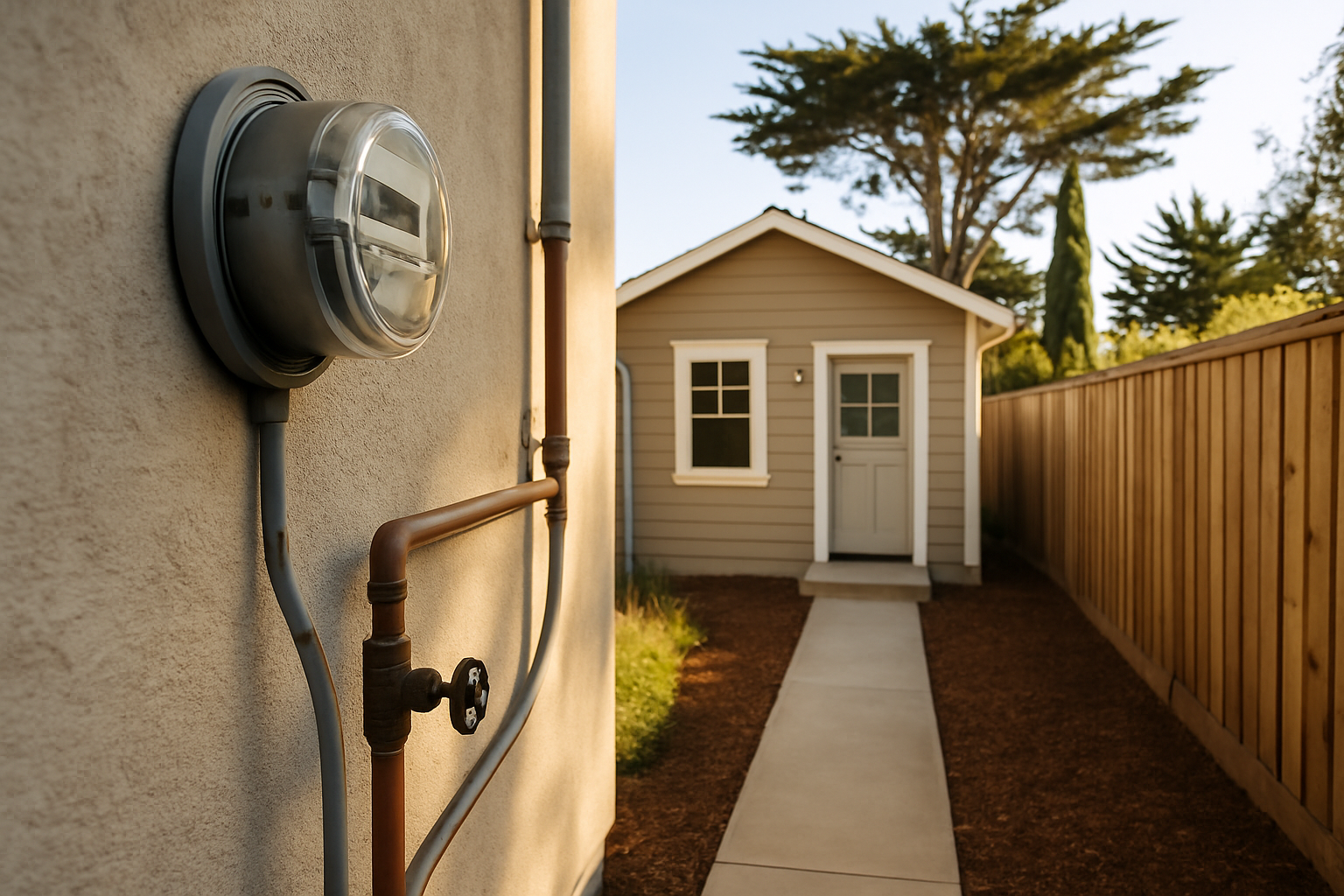
Your Guest House Shares One Meter With the Main House. Now What?
An owner in Monterey called me with a setup I hear about a few times a year. A 2 bedroom main house with a 1 bedroom guest house in the back yard, tenants in the front house moving out after 31 years, and one PG&E account and one Cal Am account covering the whole property.
He had been paying both bills himself and billing the main house two thirds and the guest house one third. His two real questions were whether that split could keep working under professional management, and, in his words, whether he would have to get separate systems installed.
So let me answer that first, then walk through what I have seen actually work on two unit lots in Monterey, Seaside, Salinas, and Marina. Separate meters are usually a choice, not a requirement. There are cheaper paths, and there are a few things you have to get in writing before anyone signs a lease.
Do You Have to Install Separate Meters for a Second Unit?
For an existing legal second unit that has always run off one service, you generally are not forced to split the utilities just because you start renting it out. Owners have been billing shared meters for decades on the Peninsula, and the law allows it as long as the arrangement is disclosed and honest.
New construction is where that can change. If you are permitting a brand new detached unit, the utility may want its own connection, and city planning may have something to say about it. Conversions of existing space inside a home are treated differently than new detached buildings.
So before you assume anything, do two calls:
- Ask PG&E what a second electric or gas service at your address would actually involve
- Ask Cal Am the same question about water, since a new water service on the Peninsula has its own process
- Ask your city planning counter whether your unit's permit history ties you to any utility condition
What drives the cost of splitting service is physical, not theoretical. Distance from the existing service point, panel capacity, whether trenching is needed across a driveway, and whether walls or paving have to be opened all move the number a lot. I would not guess at a price for you. Get two or three bids from licensed contractors and an estimate from the utility, then compare that real number against the simpler options below.
Three Ways Owners Handle One Meter, Two Households
Almost every two unit lot I work with lands on one of three approaches. Each one solves a different problem and creates a different one.
Option one: fold utilities into the rent. You keep paying PG&E and Cal Am and price each unit to cover it. This is by far the easiest to administer, and it removes the monthly argument entirely.
The tradeoff is that you carry the usage risk. A tenant who runs space heaters all winter or waters the lawn every day is spending your money, and you cannot do much mid lease except talk to them.
Option two: bill each unit by a written, disclosed formula. This is what my Monterey caller was doing with his two thirds and one third split, usually based on square footage or number of occupants. It works, but it only works if you are consistent.
That means keeping copies of the actual bills, using the same math every single month, and passing through actual costs only with no markup. When owners get in trouble here, it is almost always because the formula drifted or the records were not kept.
Option three: submeter or install fully separate service. Everyone pays for what they use, and the disputes mostly go away. You pay for it up front in permits, trenching, and utility coordination, and you take on ongoing obligations as the submeter operator.
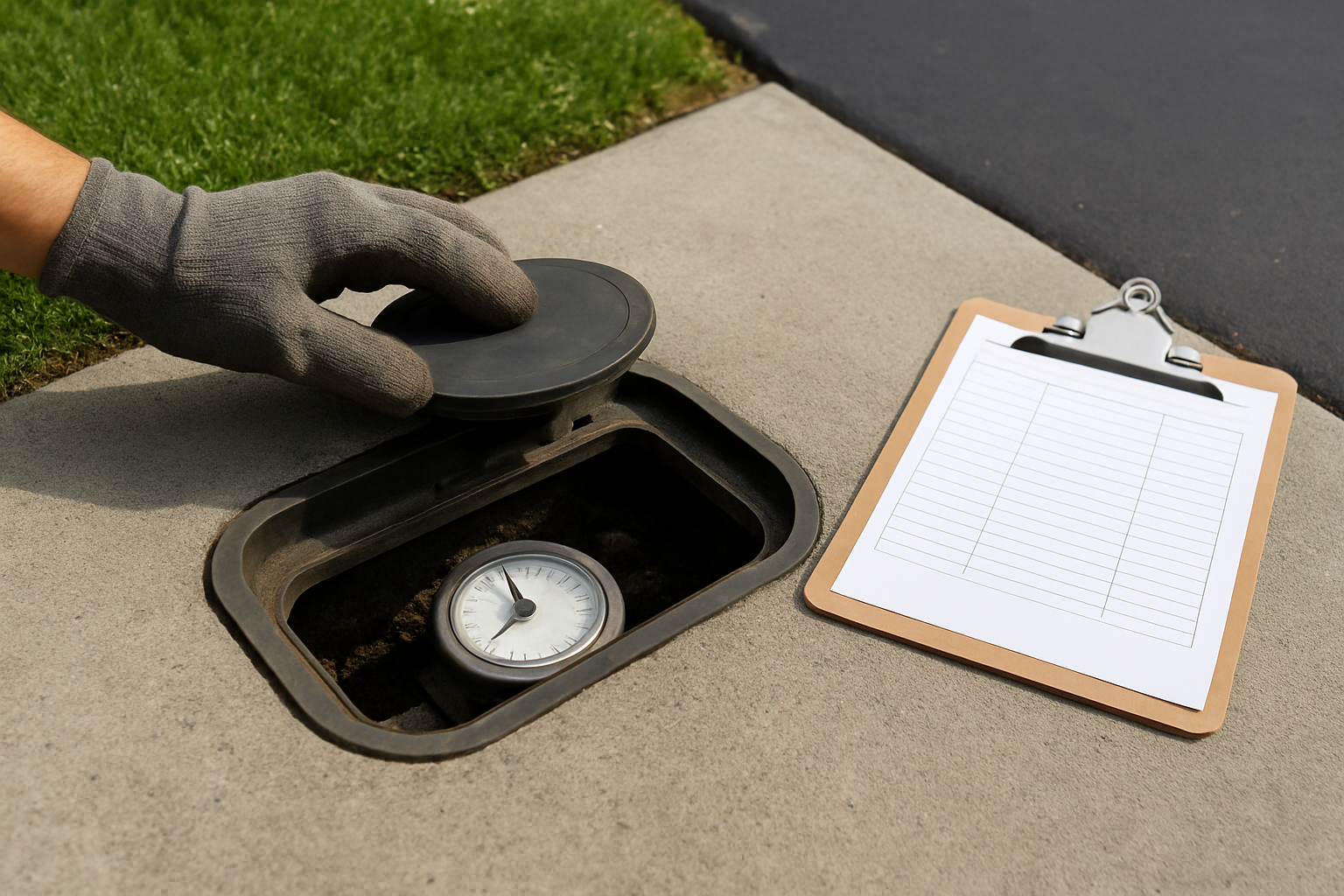
Comparing the Three Shared Meter Approaches
Here is how the three options stack up for a typical main house plus guest house lot in Monterey County.
| Approach | What it takes to run | Where it bites you |
|---|---|---|
| Utilities included in rent | Price both units to absorb the bills. No monthly math, no disclosure formula. | You eat every spike. Heavy usage or a slow leak comes straight out of your return. |
| Written allocation formula | A disclosed split by square footage or occupancy, plus copies of every bill on file. | Requires discipline and record keeping. Sloppy math turns into a tenant dispute fast. |
| Submeters or separate service | Permits, contractor work, utility coordination, and ongoing equipment upkeep. | Real up front cost, and as the submeter provider you take on rate and posting duties. |
On the Peninsula, Water Is the Line Item That Starts Fights
Electricity and gas are usually predictable. Water is not, and that is the part owners underestimate here.
Cal Am's tiered pricing and the long standing conservation rules around Monterey mean usage above your allotment gets expensive quickly. One tenant who decides to green up a lawn in August can push a shared bill somewhere the formula never anticipated.
Leaks are worse, because nobody sees them. In our maintenance work, owners often find out about a slow leak the same way every time: the bill jumps, and then we go looking. A running toilet flapper or a supply line weeping behind a wall in an older Monterey or Pacific Grove home can quietly cost hundreds of dollars a month before anyone notices.
That is why a shared billing arrangement needs a leak response plan, not just a percentage. At minimum, decide in advance:
- Who reads the bill each month and what size jump triggers a look
- Who both tenants call when they hear water running with nothing on
- How fast a plumber gets dispatched and who authorizes the repair
- Whether the property gets a scheduled exterior and plumbing check a few times a year
We run quarterly photo documented inspections for owners on exactly this reasoning, and on a shared meter property it pays for itself the first time it catches a leak in month one instead of month five. If you want the broader version of that thinking, what actually has to happen to get a rental ready covers the prep side.
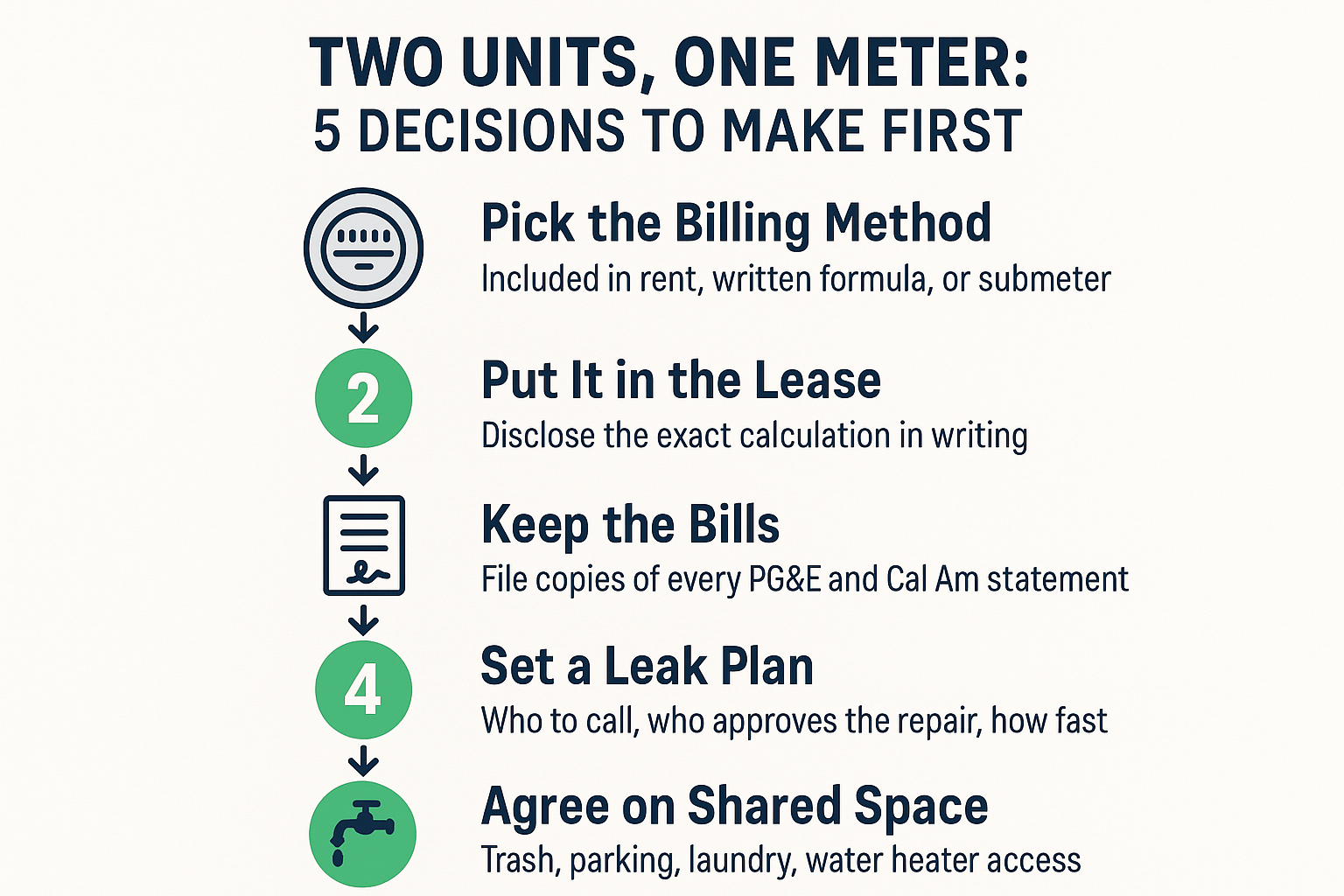
Five Decisions to Settle Before the First Tenant Moves In
On a two unit lot, these are the items I want agreed and written down before anyone gets keys.
The Paperwork Part, Without the Legal Lecture
California does not care much how you split a shared utility. It cares a great deal that the tenant was told, in writing, exactly how the charge is calculated, and that only actual costs get passed through.
If you submeter gas or electricity, you take on specific duties as the provider. PG&E's page on submetered tenants and landlords lays out what California Public Utilities Code Section 739.5 requires, including limits on what you can charge, posting the rate schedule, and maintaining the submetering equipment yourself.
State rules on ratio utility billing have also been tightening, with further changes reported to take effect during 2026. Confirm the current requirements before you set up a new formula or continue an old one, because a split that was fine in 2019 may need updated disclosure language now.
And here is the exposure most owners miss: unpaid water and sewer charges can attach to the property itself. If a tenant stops paying their share, the lease may give you a claim against them, but the utility still looks at the parcel. The owner carries that risk no matter what the lease says.
The practical takeaway is simple. The billing method belongs in the lease in writing, and copies of the underlying bills belong in a folder you can produce on demand. That same documentation habit is what protects you at move-out when deposit deductions come up.
If the Back Unit Is an ADU or a Junior Unit
Plenty of the owners who reach out to me have a back unit, a carriage suite, or a converted studio rather than a purpose built duplex. The type of unit changes what is allowed.
California no longer requires an owner to live on site to rent out a standard ADU. A junior ADU, the kind carved out of the main house that often shares a bathroom, still carries an owner occupancy condition. That distinction matters if you are planning to move away and rent both units.
These are long term rentals in practice, not short stays. State rules push a 30 day minimum on junior units, and the City of Monterey does not permit residential stays under 30 days at all. Plan around annual leases and price accordingly.
I see both ends of this. One owner south of Salinas runs several houses with carriage suites attached, and a Seaside household lives in the front unit while renting the back one. Different situations, same core questions about meters, access, and who handles the 9pm phone call. If your second unit sits in a small multifamily building instead, what new multifamily owners in Marina need to know is a better fit.
Can a Manager Take the Front House While You Keep the Back Unit?
My Monterey caller asked this outright, and it is a fair question. The honest answer is that partial arrangements get messy on a single lot.
There is one meter, one landscaper, one water heater closet, and one set of trash cans. When two different people are making decisions about the same physical property, the tenants figure it out within a month and start calling whoever answers faster.
If you want to split management anyway, settle these in advance:
- Who authorizes repairs, and up to what dollar amount, when the issue touches both units
- Who holds the utility accounts and who reconciles the split each month
- Vendor access rules for the shared yard, side gate, and utility closet
- Notice for showings so the paying neighbor is not surprised by contractor traffic
- Who the tenants call after hours, in one sentence both households understand
Turnover feels different on a two unit lot too. A vacancy in one unit means showings, painters, and cleaners walking past someone who is already paying rent, which is worth planning for. How long it takes to rent out a Monterey Bay home gives you the realistic timeline for that stretch.
What Hands-On Management Actually Adds Here
On a shared meter property, the value is not glamorous. It is reading the PG&E and Cal Am bills every single month, noticing when a number moves, and getting a plumber out before a small leak becomes a five month problem.
It is also keeping the disclosure language and the receipts organized so the split can be explained at any time, and giving both households one point of contact so a utility question does not turn into a lease dispute.
Owners reach us in whatever way works for them. One owner told me he prefers email because phone calls are hard for him to hear, and we follow the owner's lead on that. If you would rather see the full picture on what management involves, the difference between listing your house and actually managing it breaks it down.
Frequently Asked Questions About Shared Utility Meters on One Lot
Can I keep billing the main house two thirds and the guest house one third?
Usually yes, as long as the formula is disclosed in writing in each lease, you pass through actual costs only, and you keep copies of the bills. Since state rules on allocated utility billing have been shifting, confirm the current requirements before you carry an old split into a new lease.
What happens if the tenant refuses to pay their utility share?
You have a claim under the lease, but the utility still bills the account holder, and unpaid water and sewer charges can attach to the property itself. That is the main reason some owners on the Peninsula simply build utilities into the rent instead.
Is submetering worth it on a two unit lot in Monterey?
It depends on how far apart the units are and what has to be opened up to run new service. Distance from the existing service point, panel capacity, and trenching across a driveway or patio drive the cost. Get contractor bids and a utility estimate, then compare that against what you would lose to usage risk over five or ten years.
Do I have to live on the property to rent out the back unit?
Not for a standard ADU. California removed the owner occupancy requirement for those. A junior ADU, typically one carved out of the main house that shares a bathroom, still carries an owner occupancy condition, so check which one you actually have.
Can I rent the guest house for a few weeks at a time?
Not in the City of Monterey, which does not permit residential stays under 30 days, and junior units carry a 30 day minimum under state rules. Plan on annual leases.
Thinking Through a Two Unit Property in Monterey County?
If you have a main house and a back unit sharing one meter and you are trying to decide which billing approach fits, Aurelia and our bilingual team work with owners across Monterey, Seaside, Salinas, and Marina on exactly these setups. You are welcome to talk it through at (831) 582-8916, or send the details through the contact form at torrenteproperties.com if email is easier for you.

How Long It Takes to Rent Out a Monterey Bay Home, Week by Week
Almost every owner who calls me about a Monterey or Salinas home asks two questions in the same breath: what will it rent for, and how long will it sit empty? One Monterey owner put it plainly, asking for the outlook on the market and how long it would take to rent, plus how soon it could even get listed.
That second half is the part people underestimate. A home is not on the market the day you decide to rent it out. There is real work between that decision and the first showing, and that gap is where most of the vacancy actually happens.
So this article stays on the calendar, not the price tag. I will walk the timeline in four phases, give each an honest range, and show you how to count backward from your target move-in date. How rent gets priced and what make-ready work involves are separate conversations.
How Long It Takes to Rent Out a House in Monterey: The Short Version
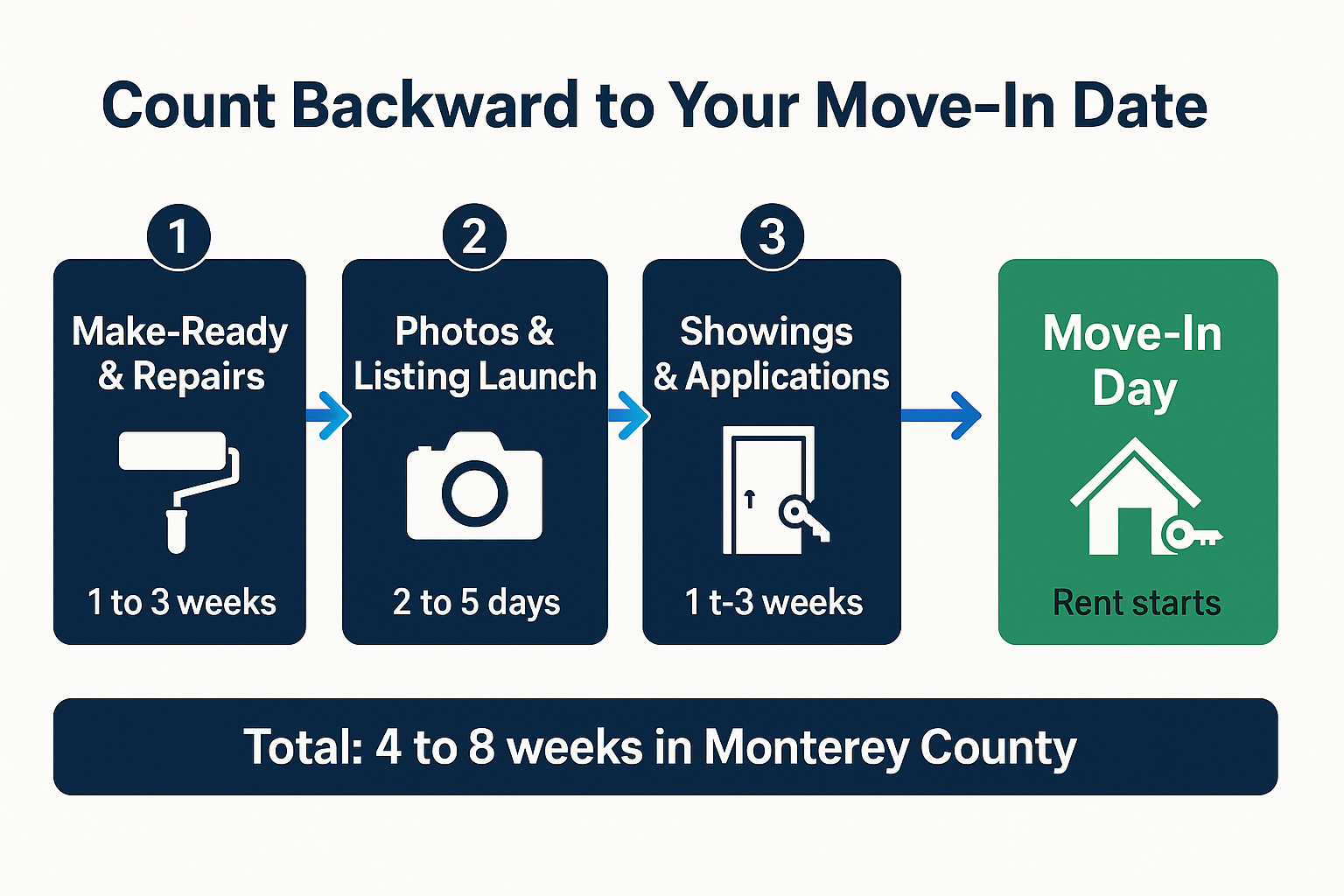
For a typical single-family home or condo on the Peninsula or in Salinas, I tell owners to plan on 4 to 8 weeks total, from the day they commit to renting to the day a tenant moves in.
That total breaks into four phases:
- Make-ready and repairs: 1 to 3 weeks, sometimes longer
- Photos and listing launch: 2 to 5 days
- Showings and applications: 1 to 3 weeks
- Screening, lease signing, move-in scheduling: 3 to 7 days
Market context helps set expectations. Apartment List's national rent report for July 2026 put average time on market at about 30 days nationally, and Monterey County runs a tighter rental vacancy rate than California as a whole, which generally means less time sitting empty when a home is priced and shown well. You can see how vacancy rates are tracked in the U.S. Census Bureau's housing vacancy data.
Zillow's rental data for the city of Monterey showed average rent around $2,900 as of August 2026 with a cool market temperature. Steady demand, not frantic demand. Treat all of that as background, because your home's timeline depends on its condition, its price, and its street.
Phase One: Make-Ready Is Longer Than You Think
This is the phase owners shave off in their head, and it is the phase that most often runs long. A house that looks fine to the person leaving it usually still needs work before a camera comes out.
What commonly has to happen first:
- Deep cleaning, including appliances, grout, and window tracks
- Paint touch-ups or a full repaint on high-traffic walls
- Landscaping cleanup, which matters a lot in Pacific Grove and Carmel where yards go feral fast in wet months
- Working smoke and carbon monoxide detectors in every required location
- Small repairs that were easy to live with and hard to rent with, like a sticky slider or a dripping angle stop
A vacant, recently remodeled unit in Marina can be photo-ready in 3 or 4 days. An occupied home where the departing tenant or owner is still packing adds two to three weeks nobody planned for, because vendors cannot schedule around boxes.
Contractor availability is its own variable in Monterey County. A painter or carpet installer booked out two weeks is normal here, especially in spring. If you want a deeper walk through the work itself, I covered it in getting a Monterey Bay rental ready.

Phase Two and Three: Listing Launch, Showings, and the Applications That Follow
Once the home is genuinely ready, listing moves quickly. Photography, writing the listing, setting the rent, and pushing it to the rental sites is usually a 2 to 5 day stretch.
Showing traffic tells you within about 10 days whether the price is right. Here is the pattern I watch for:
- Steady showings and one or two applications in the first 7 to 10 days means the price is close
- Lots of showings, no applications usually means a condition problem, not a price problem
- Almost no showings in 10 days means the rent is above what the neighborhood supports
That middle case surprises owners. If ten people walk through a Seaside duplex and nobody applies, the photos promised something the house did not deliver in person.
Applications rarely arrive all at once. A well-priced 3 bedroom in Salinas may draw several in the first week, while a higher-rent Carmel Valley home can take three weeks to find the right household, because the qualified pool is simply smaller.
The Four Phases and What Stretches Each One
Here is the same timeline in one place, with the things that most often push each phase longer in Monterey County.
| Phase | Typical range | What makes it run long |
|---|---|---|
| Make-ready and repairs | 1 to 3 weeks | Home still occupied, vendor backlog, deferred repairs, detector compliance |
| Photos and listing launch | 2 to 5 days | Waiting on final cleaning or landscaping before photos |
| Showings and applications | 1 to 3 weeks | Rent set too high, slow response to inquiries, restricted showing hours |
| Screening and lease signing | 3 to 7 days | Self-employed income, unreachable prior landlord, missing pay stubs |
| Total, decision to move-in | 4 to 8 weeks | Listing during the slow season, or correcting price after three weeks |
Seasonality on the Monterey Peninsula Is Not a Small Factor
Summer is the strongest moving window nationally, and that holds here. But our calendar has a second rhythm most owners do not account for.
The Naval Postgraduate School and the Defense Language Institute move families in and out on orders, not on the school-year schedule people assume. That creates real demand in months when other California markets go quiet, and it shapes traffic in Monterey, Seaside, Marina, and Pacific Grove more than in Salinas.
Still, the shape of the year is real. A 3 bedroom listed in mid-June in Marina gets a very different level of interest than the same home listed the week before Thanksgiving.
Listing between late November and early January usually means one of two things:
- A longer vacancy while you wait for the right applicant
- A lower asking rent to pull that applicant in sooner
Both are legitimate choices. What I do not want is for an owner to make that choice by accident. If your target availability is January, start make-ready in November and go live in early December rather than letting the holidays eat three weeks. Military owners in particular should read what happens to the property you leave behind after PCS orders.
Count Backward From Your Move-In Date
Instead of guessing forward from today, pick the date you want rent to start and work back through the four phases.
Do the Vacancy Math Out Loud
This is the part that reframes almost every impatient decision an owner is tempted to make.
Every empty week costs roughly a quarter of a month's rent. On a home renting near the Monterey average, that is real money leaving every seven days, whether or not anyone is thinking about it.
So shaving two weeks off a turnover is usually worth more than squeezing another $50 out of the asking rent. Two weeks of vacancy on a $2,900 home is close to $1,450. Fifty dollars a month across a year is $600.
Two things follow from that math:
- A rushed listing with phone photos and unfinished repairs costs more than it saves, because it stretches phase three
- Overpricing by a small amount and correcting three weeks later almost always produces a longer total vacancy than pricing correctly on day one
The price correction is the sneaky one. You lose the first three weeks at the wrong number, then restart the clock at the right number, and the listing has already gone stale in the feeds. Owners weighing the ongoing cost side of this should look at what property management actually costs in the Monterey Bay area.
The Back Half Is Where Owners Quietly Lose Time
Once applications arrive, the timeline stops being about the house and starts being about response speed.
Honest screening takes a few days. Credit, nationwide background, eviction history, income verification, and a call to the prior landlord all have to come back before an approval means anything. I aim to give applicants a decision within 2 to 3 business days of a complete file.
The word there is complete. What genuinely slows a file down:
- Self-employment income, which needs tax returns or bank statements instead of pay stubs
- A prior landlord who will not return calls, sometimes for a week
- Missing photo ID or partial pay stubs
- Roommate applications where one person has not started their paperwork
Renters around Monterey and Salinas routinely complain about applications that sit for weeks with no callback. That friction is expensive for owners, because a strong applicant moves on to the next listing and you restart phase three. I broke the process down further in what a real tenant screening process looks like.
After approval, budget 3 to 5 days for lease drafting, signing, collecting the first month's rent and the security deposit under California's one-month cap, and scheduling the move-in walkthrough with photos.
Leasing Tempo Comes Down to Who Is Answering the Phone
The difference between a 5 week vacancy and an 8 week vacancy is usually not the house. It is how fast someone responded on a Saturday afternoon.
Our team runs showings on flexible hours, including evenings and weekends, and handles inquiries in both English and Spanish, which matters in Salinas and Seaside where a meaningful share of qualified applicants prefer Spanish. One tenant put it simply in a review: "Torrente Property Management has made the move in process a breeze!" That speed is the same thing that shortens an owner's vacancy.
We work across Monterey, Salinas, Marina, Seaside, Pacific Grove, and Carmel, and owners thinking through a listing timeline are welcome to talk it through with us at (831) 582-8916 or through torrenteproperties.com.
Frequently Asked Questions About Rental Timelines in Monterey County
How fast can my house realistically be on the market?
If it is vacant, clean, and in good repair, 3 to 7 days is achievable once photos are scheduled. If it is still occupied or needs paint, carpet, or landscaping, plan on 2 to 3 weeks before it goes live.
Is it worth waiting until spring to list?
Sometimes, but run the math first. If waiting means eight weeks of vacancy to gain $100 a month in rent, you are losing money on the trade. Waiting makes more sense when your home also needs work you can complete during that gap.
How long should I let an application sit before deciding?
Not long. Once a file is complete, 2 to 3 business days is a reasonable decision window. Anything past a week and you should assume the applicant is touring other properties.
What is the single biggest cause of a long vacancy here?
Pricing above what the neighborhood supports, then correcting three weeks later. That sequence usually adds more total empty weeks than any repair delay does.
Does military demand really change my timing?
On the Peninsula, yes. Families arriving for the Naval Postgraduate School or the Defense Language Institute move on orders, not on the school calendar, so Monterey, Seaside, and Marina see inquiries in months when other markets slow down. Salinas follows a more traditional seasonal pattern.
Working Out Your Own Listing Timeline?
If you are trying to figure out when your Monterey County home could realistically be on the market and how long it might take to lease, that is a conversation worth having before the make-ready work starts. Our team works across Monterey, Salinas, Marina, Seaside, Pacific Grove, and Carmel, and we are happy to walk through the calendar with you at (831) 582-8916 or through torrenteproperties.com.

Renting Out a Seaside Property: What the Local Market Actually Requires
Almost every Seaside owner who contacts me opens with the same two questions. What will my property rent for, and what do I need to do to get it ready?
Those are the right questions. Seaside is one of the busier rental markets on the Monterey Peninsula, with military personnel connected to the former Fort Ord area, civilian workers commuting to Monterey and Salinas, and families who got priced out of Pacific Grove and Carmel.
I have seen these inquiries come from every kind of Seaside owner: 2-bedroom single-family homes, townhomes, and owner-occupied houses with a back unit. Below is what the local market actually asks of you before a tenant ever signs.
Pricing a Seaside Rental: County Averages Will Cost You Money
The most common mistake I see is an owner pulling a rent estimate for "Monterey County" and treating it as gospel. Seaside is not one market. Rents move block by block.
A home near the Fremont Boulevard corridor with off-street parking prices differently than a similar house up in the hills with a steep driveway and no garage. Condition matters just as much as the bedroom count.
Here is what actually goes into a local rent analysis:
- What comparable units leased for in the last 60 to 90 days, not what they were listed at
- Kitchen, flooring, and paint condition, which can swing rent more than square footage
- Off-street parking, a real value driver in Seaside neighborhoods with tight street parking
- Laundry hookups, garage access, and usable yard space
- Commute access to Highway 1, downtown Monterey, and the CSUMB area
- Whether utilities are separately metered, which matters for duplexes and back units
The cost of guessing goes both ways. Overprice by a small amount and you may sit vacant an extra three or four weeks, which usually wipes out a full year of the difference you were chasing.
Underprice and you lock that number in for the length of the lease. If you want context on how management fees fit into the overall math, we covered what property management actually costs in the Monterey Bay area in a separate breakdown.
What Moves Rent in Seaside
These are the factors I weigh most heavily when I price a Seaside home, and the ones owners tend to overlook.
| Factor | Why It Matters in Seaside | What Owners Often Miss |
|---|---|---|
| Parking | Street parking is tight in many neighborhoods | A garage or driveway can shorten vacancy noticeably |
| Kitchen and flooring condition | Tenants compare against newer Marina and East Garrison inventory | Cosmetic updates often pay back within the first lease term |
| Commute position | Tenants work in Monterey, Salinas, and the CSUMB area | Minutes to Highway 1 affects applicant volume |
| Laundry | In-unit or hookups are a top filter for family renters | Shared laundry limits the applicant pool |
| Furnished vs unfurnished | Some military and travel-role tenants prefer furnished | Furnished changes pricing, wear, and deposit handling |
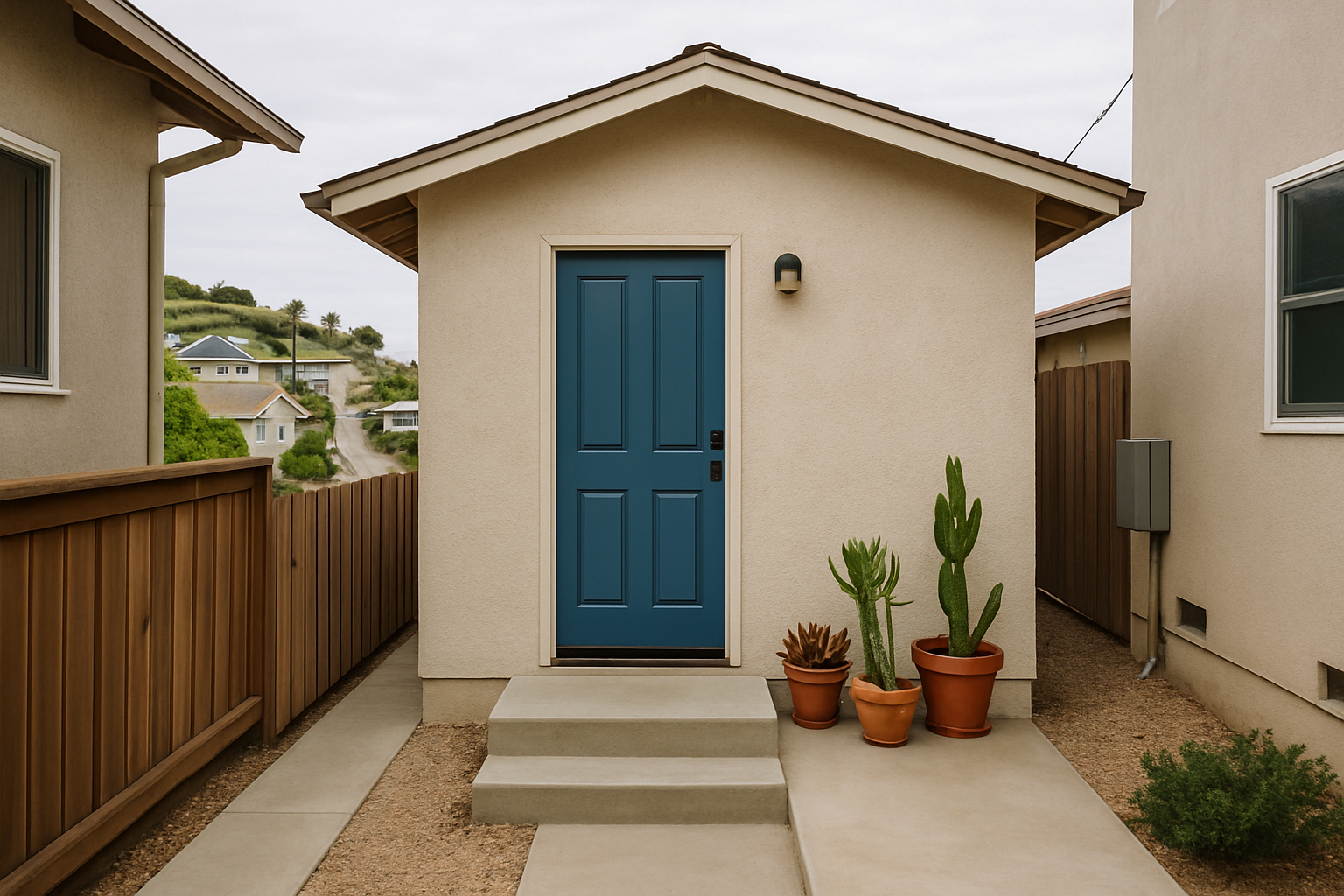
Renting an ADU or Your Own Home Does Not Change the Rules
Two Seaside situations come up constantly. One is the owner moving out of their primary residence and renting it. The other is the owner staying put and renting the accessory unit out back.
Both of these turn you into a landlord under California law, with the same obligations as any other rental property owner. Living twenty feet away does not create an exemption.
That means you are responsible for:
- Habitability standards, including working heat, plumbing, hot water, and weatherproofing
- Smoke and carbon monoxide detectors in the required locations, tested and documented
- Required lead paint disclosure for homes built before 1978, which describes a lot of Seaside housing stock
- 24 hours written notice before entering, even for a unit in your own backyard
- Consistent screening standards applied to every applicant, which is a fair housing requirement, not a preference
One more detail catches owner-occupants regularly. If a single utility meter serves both your living space and the rental unit, California requires you to disclose that in writing and spell out how the cost is handled before the tenant signs.
The informal handshake version of this arrangement is where most disputes start. Written lease, written disclosures, documented condition. If you have never done this before, what landlords wish they knew before renting their first property is worth reading first.
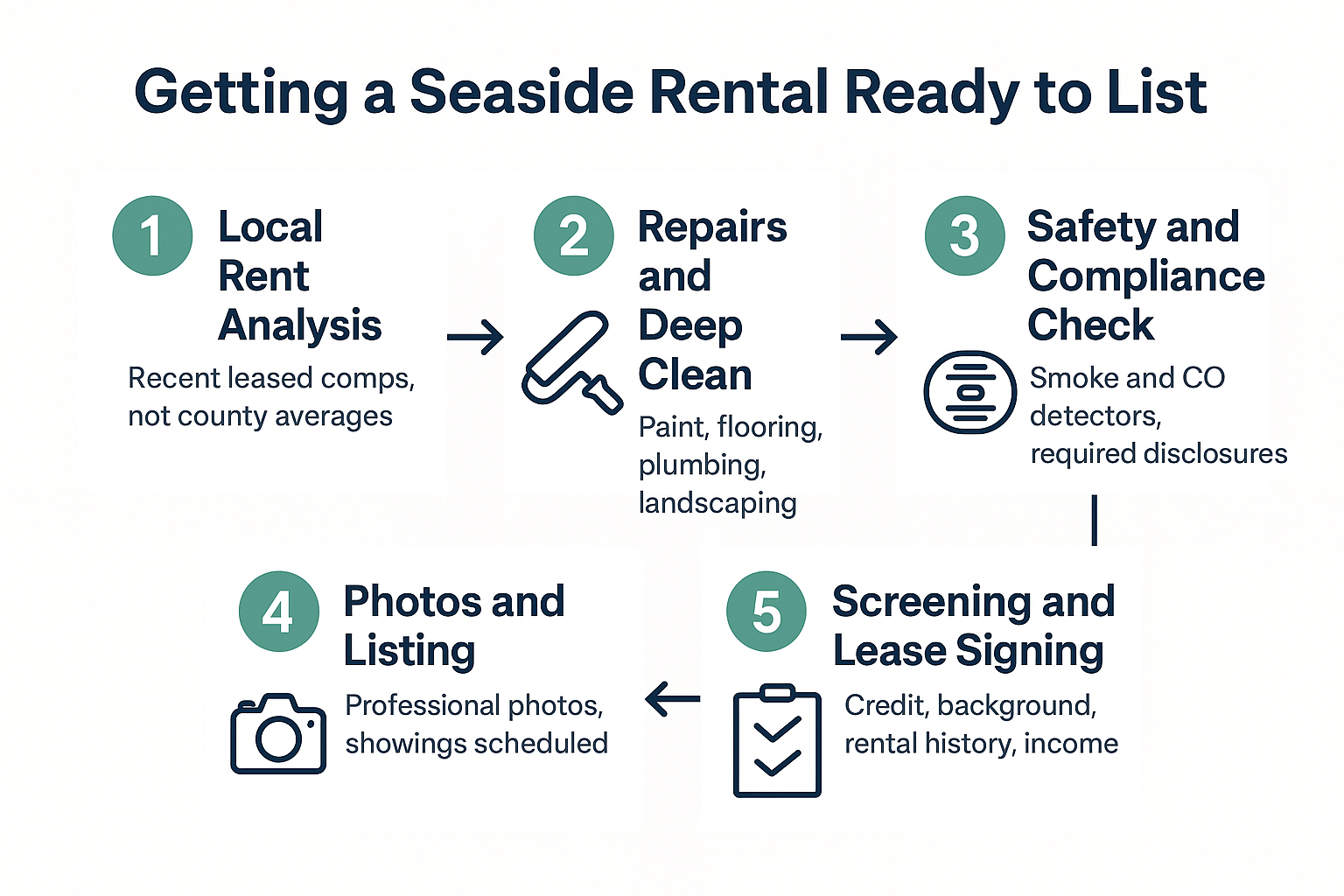
The Order I Work Through a Seaside Turnover
Owners often want to list first and fix later. It works better in the other order, and here is the sequence I follow.
The Deposit Cap Changed the Math for Seaside Landlords
This is the change I spend the most time explaining. As of July 1, 2024, California caps most residential security deposits at one month's rent, furnished or unfurnished.
Before that, an unfurnished rental could carry a deposit of up to two months. On a Seaside rental at $2,500 a month, the maximum cushion dropped from $5,000 to $2,500. You can read the bill text through the state's official California legislative information portal.
There is a narrow exception for small landlords who are natural persons owning no more than two residential rental properties totaling no more than four units. That exception does not apply when the tenant is an active duty servicemember, which matters a great deal in Seaside. Confirm your own situation with an attorney before you rely on it.
Less cushion means the front end of the process has to carry more weight:
- Thorough screening, meaning credit, nationwide criminal background, eviction history, and verified income and employment
- Photo and video documentation of every room, appliance, wall, and floor before move-in, dated and stored
- A signed move-in condition checklist that the tenant actually walks through with you
- An itemized deposit statement with receipts within 21 days of move-out, which is the legal deadline
- Awareness that tenants can request a pre-move-out inspection so they have a chance to fix issues themselves
When a deposit dispute goes sideways, it is almost never because the landlord was wrong about the damage. It is because nobody documented the before.
Why Maintenance Response Speed Matters More Here
Seaside's tenant pool includes a lot of military households, and in my experience they are excellent renters. They pay on time, they take care of the place, and they communicate clearly.
They also tend to have clear expectations about response standards, and they are more likely than the average tenant to put a maintenance request in writing and follow up through official channels if it goes unanswered. That is not a warning about military tenants. It is a reason to have a repair process that genuinely functions.
What that looks like in practice:
- Work orders submitted and tracked through a portal so nothing lives only in a text thread
- 24/7 coverage for true emergencies like water intrusion, no heat, or a roof leak during a winter storm
- Licensed, insured local vendors who already know the property and answer the phone
- Routine and move-in/move-out inspections so small problems get caught before they become claims
One owner review put the standard plainly: "their coordination and follow-through were timely and effective." That is the bar. If you are weighing how much of this you want to handle yourself, our comparison of tenant placement versus full management walks through the split.
Frequently Asked Questions About Renting Out a Seaside Property
What does a property management company in Seaside typically charge?
Most Monterey County firms structure fees as a percentage of collected monthly rent, with a separate one-time leasing or tenant placement fee. The percentage varies with property type, unit count, and how much prep the property needs, so the only honest number is a quoted one. Ask for the full fee schedule in writing, including what is and is not included in maintenance coordination.
Can I rent out my ADU while I am still living in the main house?
Yes, and it is common in Seaside. Just treat it as a real tenancy with a written lease, required disclosures, working smoke and CO detectors, and 24 hours written notice before you enter. If one meter serves both units, you have to disclose that in writing and agree on how the utility cost is handled.
How long does it usually take to lease a Seaside rental?
It depends far more on price and condition than on season. A well-priced, clean, move-in-ready home in a good Seaside pocket typically draws applications quickly, while an overpriced or dated unit can sit for weeks. The vacancy cost of an aggressive rent number almost always exceeds the extra income you were hoping for.
Do I have to accept a housing voucher?
In California, source of income is a protected category, and that includes housing choice vouchers. You can still apply your standard screening criteria to every applicant, but the income calculation has to account for the voucher portion. Apply the same standards to everyone and document them.
What if damage at move-out exceeds one month's rent?
You can pursue the balance beyond the deposit, but recovering it is a separate and slower process. That is exactly why the deposit cap raised the stakes on screening and on move-in documentation. Strong photo evidence and a signed condition checklist are what make a claim stick.
Thinking Through Your Seaside Rental?
If you own a home, townhome, or back unit in Seaside and you are working out what it should rent for and what needs to happen first, our team is local and happy to talk it through. We have been managing properties across Seaside, Monterey, Marina, and Salinas for more than two decades, in English and Spanish. You can reach Torrente Property Management at (831) 582-8916 or through the contact form at torrenteproperties.com.

The First 90 Days of Renting Out a Monterey Home From Another State
You accepted a job in another state, or orders came through, or you just could not sell at the price you wanted. Either way, your Monterey home is about to become a rental, and you are about to become a landlord from 500 or 3,000 miles away.
The first 90 days decide almost everything. Rent price, prep work, the lease, the deposit, move-in photos, and that first 9 p.m. maintenance call all happen inside this short window.
I have watched owners handle this window well and I have watched it go sideways. Below is the timeline I would follow, week by week, for a home in Monterey, Seaside, Marina, Pacific Grove, or Salinas.
Days 1 to 10: Set the Rent Before You Set Anything Else
Almost every owner who contacts us about renting a home asks two questions in the same message: what do you charge, and what will my place rent for. That instinct is right. Everything else in the first 90 days depends on the rent number.
A real market rent analysis is not a Zillow guess. Here is what actually goes into it:
- Active comparables in the same submarket, because that is your live competition
- Recently leased comparables, which tell you what tenants actually paid, not what owners asked
- Size and condition adjustments for square footage, bed and bath count, parking, yard, and updates
- Neighborhood demand, which is very different in Pebble Beach than it is in the Alisal area of Salinas
- Seasonal timing, which people underestimate constantly
That last one matters more here than in most markets. Around the Peninsula, summer brings school moves, Naval Postgraduate School and DLI arrivals, and hospital hires. A 3-bedroom Monterey home listed in August often supports meaningfully more rent than the same home listed in November, and the spread can run in the range of a couple hundred dollars a month.
If your move date is flexible by even three weeks, that timing decision is worth having a conversation about before you list.
Days 5 to 25: Get the House Legally and Physically Rentable
This is the step first-time remote landlords skip, because when you lived there it felt fine. A home that was comfortable for you is not automatically a home that meets California habitability standards for a paying tenant.
At minimum, before anyone moves in, the property needs:
- Working plumbing with hot and cold water and no active leaks
- Working heat in every living area
- Safe electrical, including GFCI outlets near water and no exposed splices
- Smoke alarms in each bedroom, outside sleeping areas, and on every level
- Carbon monoxide alarms on every level with sleeping areas if there is gas, a fireplace, or an attached garage
- Working locks on all exterior doors and windows
Then there is the deferred stuff. Owner-occupied homes on the Peninsula almost always have a few of these waiting: a slow drain someone learned to live with, a sticking slider, dry rot on a south-facing trim board, a garage full of paint cans and holiday bins.
Clear all personal property out. Anything you leave behind becomes something you are responsible for repairing or replacing.
Cosmetics matter too, but only where they move the rent. Fresh paint, clean carpet, tidy landscaping, and clean windows typically pay for themselves in shorter vacancy. A remodeled kitchen usually does not, at least not in year one. If you want a fuller picture of what these line items add up to, we broke it down in the hidden costs of managing a Monterey home from out of state.

Days 20 to 40: The Lease Is Not a Formality
A lease you pulled off the internet or wrote from memory is where remote landlords get hurt. California requires specific disclosures in residential leases, and missing one can weaken your position later when it matters most.
The items that get left out most often:
- Megan's Law disclosure, required in essentially every residential lease. The state maintains the official Megan's Law database the notice points tenants toward.
- Lead-based paint disclosure and pamphlet for any home built before 1978, which covers a huge share of housing in Pacific Grove, downtown Monterey, and older Salinas neighborhoods
- Bed bug information notice
- Local addenda that apply to your specific city
On the deposit: as of July 1, 2024, most residential landlords in California are capped at one month's rent for the security deposit, furnished or not. If you were planning on two months because that is what you paid as a tenant years ago, that plan is out of date.
City rules stack on top of state rules. Salinas runs a Residential Rental Registration program for rental properties. The City of Monterey prohibits residential rentals of fewer than 30 days, so your lease term needs to respect that. Santa Cruz has its own rental inspection requirements.
Sign electronically, keep the executed copy somewhere you can retrieve it in 30 seconds, and give the tenant a full copy the same day.
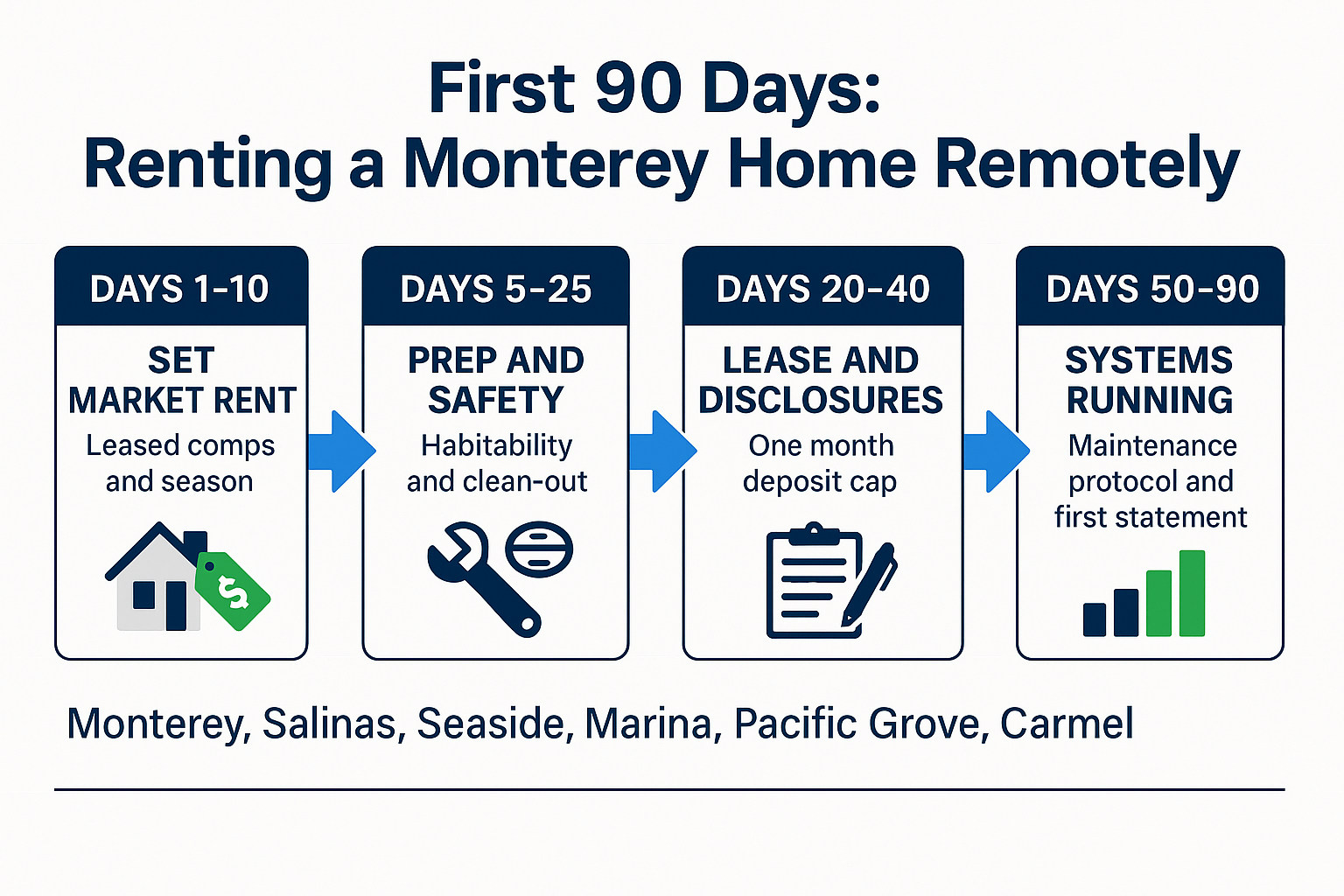
The First 90 Days at a Glance
Here is the same timeline in one view, along with the spot where I most often see owners lose money or leverage.
| Phase | What Gets Decided | Where Owners Slip |
|---|---|---|
| Days 1-10 | Market rent, listing timing, rent vs sell | Pricing off a website estimate instead of leased comps |
| Days 5-25 | Habitability items, deferred repairs, clean-out | Leaving personal property and unfinished repairs behind |
| Days 20-40 | Lease, disclosures, deposit, city registration | Generic lease form missing required California disclosures |
| Days 35-50 | Screening, approval, move-in condition report | No dated photo record of condition at handover |
| Days 50-90 | Maintenance protocol, first statement, first inspection | No local responder and no written reporting baseline |
Days 35 to 50: Screen Well, Then Document the Handover
Screening is the last moment you have full control. Once keys change hands, your options narrow considerably.
A real screen covers credit, nationwide criminal background, eviction history, income and employment verification, and calls to prior landlords. Apply the same written standard to every applicant, every time.
Then document condition. This is the single cheapest insurance policy in the whole process:
- Dated photos of every room, including inside cabinets, closets, and the garage
- Photos of all appliances and their serial plates
- Exterior shots of roof edges, gutters, fencing, decks, and drainage
- Meter readings and detector test dates
- A written move-in condition report signed by the tenant
Without that record, a deposit deduction 24 months from now is your word against theirs. With it, the conversation is short and usually friendly.
Your 90-Day Remote Landlord Sequence
This is the order I would run it in, and roughly when each piece should land.
Days 45 to 60: Decide Who Answers the Phone at 2 a.m.
This is the part remote owners underestimate most. A tenant who cannot reach anyone about a repair is a tenant building a paper trail, and in California an unaddressed habitability issue can turn into a rent withholding or repair-and-deduct problem fast.
Set the protocol in writing before move-in, not after the first call:
- How requests get submitted, ideally through one portal so there is a timestamp
- Response standard for non-emergencies, commonly acknowledged within one business day
- What counts as an emergency: no heat, no water, active leak, sewage backup, gas smell, lockout, broken exterior door
- Who physically shows up, with a licensed and insured vendor already lined up for plumbing, electrical, and roofing
That last bullet is the one you cannot solve from Denver or Virginia Beach. A phone number is not a response. When a water heater lets go in a Seaside single-story at midnight, somebody has to be able to reach the shutoff within the hour.
Winter storms make this concrete. Monterey Bay gets driving rain and wind off the water, and roof leaks, clogged gutters, and water intrusion cluster in January and February. We wrote more about how distance changes day-to-day response in how out-of-area owners actually manage a Monterey Bay rental.
Days 60 to 90: Your First Owner Statement Sets the Baseline
Month one reporting is not busywork. If you do not have a clean record of month one, you have nothing to compare month six against.
A monthly owner statement should show, at minimum:
- Rent collected, with the date received and any late fee applied
- Deposits held, listed separately from income, because that money is not yours
- Itemized expenses with vendor name, invoice number, and what was done
- Management fee and leasing fee, shown as line items
- Owner obligations paid on your behalf, such as mortgage, insurance, or property taxes if that is part of the arrangement
- Net disbursement to you and the date it was sent
Keep every one of them. That file does three jobs later: it makes your Schedule E straightforward at tax time, it supports an insurance claim if storm damage hits, and it becomes the income record a buyer's lender asks for if you eventually sell with a tenant in place.
Round out the quarter with a first interior and exterior inspection. Ninety days in is early enough to catch a housekeeping problem, an unauthorized pet, or a slow leak while it is still cheap. For a sense of how fee structures work locally, see our breakdown of what property management really costs in Salinas.
A Few Monterey-Specific Wrinkles Worth Knowing
Some situations here come with their own rules and rhythms.
Military owners. PCS timelines rarely line up with the rental calendar, and deployment makes self-management close to impossible. We covered that in detail in PCS orders and your Monterey Bay home.
Furnished rentals. Plenty of Peninsula owners consider leaving the furniture, and it can work for the 30-day-plus corporate and academic market. It also changes your inventory, insurance, and condition documentation. Read renting your home furnished in the Monterey Bay area before you decide.
Vacancy between owner and tenant. If the home will sit empty for a stretch while you prep, it should still be checked on a schedule. Coastal moisture, wind, and unoccupied plumbing do not wait politely.
One more thing worth saying plainly. Our team works in both English and Spanish, which matters in Salinas and Seaside where a large share of owners and residents prefer Spanish. Communication gaps cause more landlord problems than almost anything else.
Frequently Asked Questions About Renting a Monterey Home From Out of State
How long does it usually take to get a Monterey home leased?
It depends on price, condition, and season. A well-priced, move-in ready home in Monterey or Marina during spring and summer often leases quickly, while the same home listed in late fall can take noticeably longer. Overpricing by even a small margin is the most common reason a listing sits.
Can I collect two months of security deposit if I am renting the home furnished?
Generally no. Since July 1, 2024, most California residential landlords are limited to one month's rent for the security deposit regardless of whether the unit is furnished. There is a narrow exception for certain small landlords, so confirm your situation before you write the lease.
What does property management cost around Monterey County?
Fees vary by property type, unit count, condition, and what is included. Most owners here see a monthly management fee based on a percentage of collected rent, plus a separate leasing fee when a new tenant is placed. Because the details differ property by property, the honest answer is to ask for a quote on your specific home.
Do I need to register my rental with the city?
Possibly. Salinas operates a Residential Rental Registration program, Santa Cruz has rental inspection requirements, and multifamily owners statewide are subject to SB 721 and AB 2579 balcony and exterior elevated element inspection deadlines. Rules depend on your city and property type, so check before you list.
Should I just have a friend or family member check on the place?
It works until it does not. A neighbor can grab mail, but they cannot legally screen applicants, hold a deposit in compliance with state law, or dispatch a licensed plumber at 2 a.m. That arrangement also strains the relationship the first time something goes wrong.
Planning your first 90 days as a remote Monterey landlord?
If you are working through rent pricing, prep, or the lease for a home in Monterey, Salinas, Seaside, Marina, Pacific Grove, or Carmel, our team is here in Monterey County and happy to talk it through. You can reach us at (831) 582-8916 or through the contact form at torrenteproperties.com. We work in English and Spanish, and there is no pressure either way.

How Remote Homeowners Keep Control of a Monterey Property
A roof issue that goes unreported for two weeks during a Monterey Bay rainy season is not a $400 repair anymore. By the time a tenant finally mentions it, or you happen to ask, you are looking at drywall damage, possible mold, and a contractor schedule that stretches into spring. That gap between when something breaks and when you find out about it is the core problem every out-of-area owner faces.
I have worked with homeowners across Salinas, Monterey, Seaside, and Pacific Grove for over two decades, and the situation that comes up most is not bad tenants or high vacancy. It is distance creating a blind spot, a property quietly losing value while the owner manages it from a spreadsheet in another state.
This article is for property owners who either live out of the area already or are planning to leave. We will cover the three things that actually determine whether remote ownership works: maintenance response, financial visibility, and seasonal timing. Get those right, and managing a Monterey County property from a distance is genuinely doable.
The Real Problem With Managing Maintenance From a Distance
Over the past couple of years, I have heard a version of the same story from multiple owners who initially tried to handle their Monterey Bay rental by phone and email. The friction points were almost always identical.
First, they did not have a local vendor relationship. When a tenant called about a plumbing issue, they were Googling contractors in a market they no longer lived in, getting quotes they could not verify, and hoping the person who showed up was licensed. Second, they could not tell whether a maintenance request was urgent or optional. A tenant saying the garbage disposal is making noise is very different from a tenant saying water is coming through the ceiling, but from two states away, both arrive as a text message. Third, they had not physically seen the property in months, sometimes longer.
That last one is the one that costs people the most. What can go wrong in an empty house is a longer list than most owners expect, and the Monterey Bay climate, with its seasonal storms and persistent moisture, accelerates problems that drier climates might let sit for a while.
A manager with boots on the ground changes the entire equation:
- Maintenance requests get triaged by someone who knows what urgent actually looks like
- Trusted, licensed, insured local vendors respond faster because they have an established relationship
- 24/7 emergency coordination means a call at 2 a.m. does not land on your cell phone
- Routine and move-in/move-out inspections create a documented record before a dispute ever starts
For owners who have been coordinating repairs remotely, the shift in stress level when this function is handled locally is almost always the first thing they mention.

What a Monthly Owner Statement Actually Tells You
Monthly financial statements and an owner portal are not just administrative conveniences. For an absentee owner, they are the primary way you know whether your property is generating income or quietly losing it.
I have had owners log into their portal for the first time and realize they had never had a clear picture of what their property was actually netting month to month. A well-structured monthly statement should show you:
- Rent received and the date it was collected
- Any late fees collected, itemized separately
- Maintenance costs with the vendor name, the work performed, and the amount paid
- Owner disbursement, what actually hit your account
- Year-end summaries formatted for tax purposes
That level of detail matters when your accountant asks why a particular month was low. It also matters if you ever need to show a lender, a partner, or a family member what the property has been doing financially.
The owner portal takes this further. You can log in and see your current ledger, review past statements, and submit questions without a phone call. For someone managing from out of state, that kind of access removes a lot of the anxiety that comes with not being local. You can check in at midnight if you want to, and you do not have to wait for a return call.
For a broader look at how management fees factor into your net income, what property management actually costs in the Monterey Bay area breaks that down in plain terms.
Utility Oversight: A Specific Problem Most Owners Do Not See Coming
One situation that comes up more than people expect involves properties where utilities are not cleanly separated. I have seen this in Monterey specifically, a property with a single PG&E or Cal Am Water meter shared across two units, where the owner is paying the master bill and attempting to recover costs from tenants proportionally.
From across the country, that kind of arrangement is genuinely hard to manage. You are relying on the tenant to pay their share, manually reconciling bills, and hoping no one disputes the split. When something goes wrong, a spike in usage, a tenant who stops paying their portion, a billing error, you are dealing with it from a time zone away.
A local manager handles utility oversight as part of ongoing management: tracking which utilities are owner-paid, verifying that cost-recovery arrangements are documented in the lease, and flagging when something looks off. That is the kind of detail that falls through the cracks when you are self-managing from a distance.
For owners thinking through how this kind of management structure compares to handling things yourself, when self-managing your rental stops making sense is worth reading before you decide.
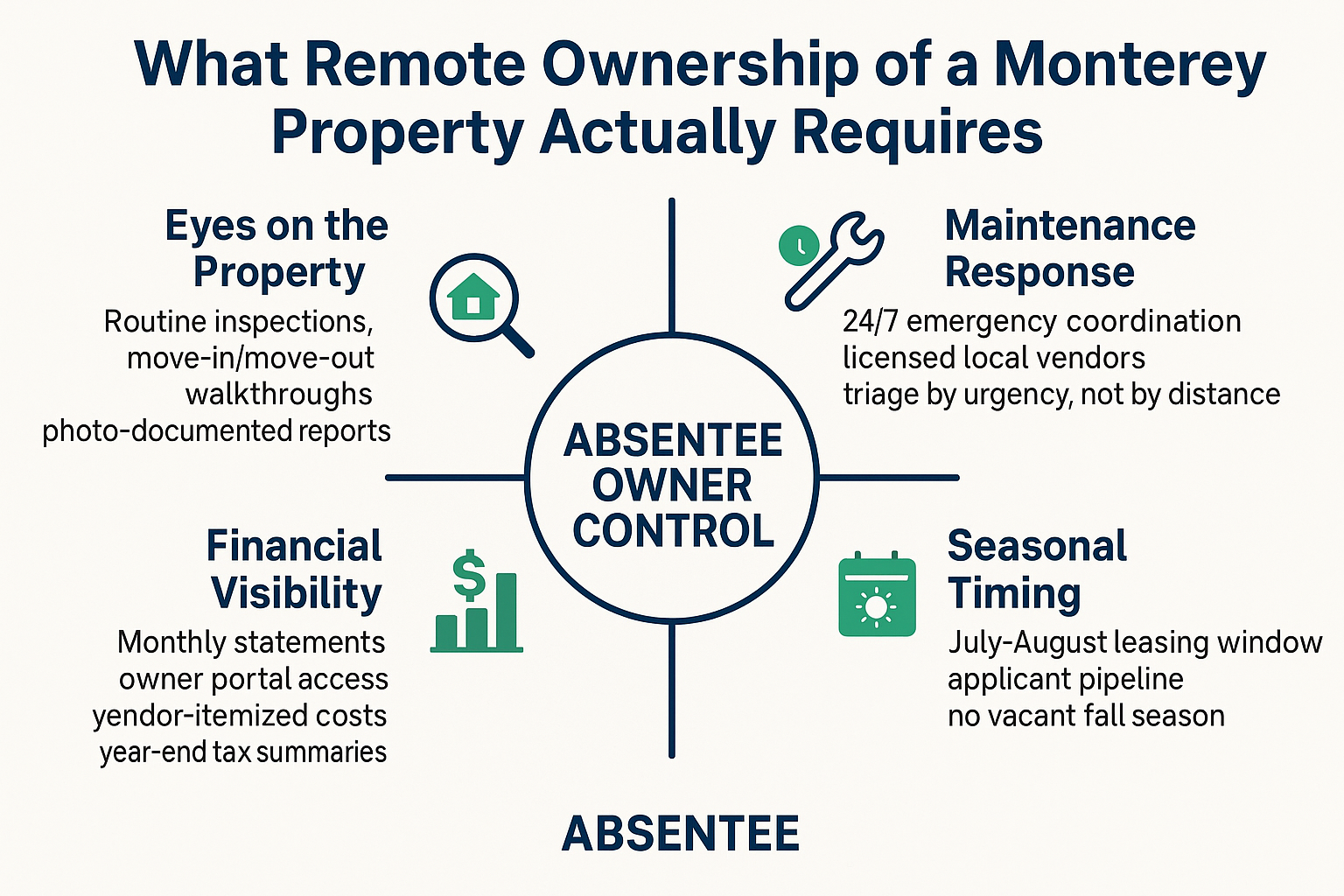
What Remote Ownership Actually Requires
This overview breaks down the four functions that determine whether absentee property ownership works, and what each one involves in practice.
Why Missing the Summer Leasing Window Costs More Than You Think
The Monterey Bay rental market has a seasonal rhythm that matters a lot if your property turns over in the summer. July and August are consistently the strongest months for tenant placement locally, demand is high, applicants are active, and well-priced properties in Monterey, Seaside, and Marina move quickly.
An out-of-area owner managing their own turnover often misses this window. They are coordinating repairs remotely, waiting on a vendor to finish a paint job, and posting the listing two weeks later than they should. By mid-September, the applicant pool is thinner and you may sit vacant into October or November.
A manager with an existing applicant pipeline and a team handling prep, photography, listings, and showings locally can move from vacancy to signed lease in a timeframe a remote owner working from a spreadsheet simply cannot match. Every week of vacancy in Monterey County represents real lost income, and the cost of a slow turnover often exceeds a full year of management fees.
For owners who have been through a turnover on their own and are considering handing it off, how to hand off a rental you have been managing yourself walks through what that transition actually looks like.
Self-Management vs. Local Manager: What Changes for Remote Owners
This comparison covers the functions that matter most when you are managing from out of the area, not every task, just the ones where distance creates the biggest risk.
| Function | Self-Managing Remotely | With a Local Manager |
|---|---|---|
| Maintenance triage | Tenant texts you; you judge urgency without seeing it | Manager assesses in person; dispatches appropriately |
| Emergency repairs | You find a contractor by phone from out of state | 24/7 coordination through established local vendors |
| Property inspections | Months may pass with no eyes on the property | Routine scheduled inspections with photo documentation |
| Leasing timing | Turnover pace depends on your availability | Local pipeline, active marketing during peak July-Aug window |
| Financial tracking | DIY spreadsheet; hard to share or audit | Itemized monthly statements and owner portal access |
| Utility oversight | Manual reconciliation; disputes handled by phone | Documented lease terms; manager monitors and flags issues |
| Insurance documentation | No inspection record if a claim is filed | Photo-documented reports create a defensible timeline |
Insurance, Liability, and Why Documentation Matters More Than Owners Expect
This is the one area where I see absentee owners most underprepared. A vacant or recently vacated property with no active inspection record creates real exposure, and most owners do not think about it until a claim is filed.
California's Department of Consumer Affairs notes that documentation disputes are among the most common friction points between landlords and tenants at move-out. A photo-documented inspection report, completed by a licensed professional at regular intervals, does several things:
- It establishes the condition of the property before and after occupancy
- It creates a dated, verifiable record if a tenant disputes a deduction or an insurer questions a claim
- It demonstrates that the owner was exercising reasonable oversight, which matters in California, where the legal standard for habitability is well-defined and actively enforced
For vacant or seasonal properties, this is even more critical. A property sitting empty on the Monterey Peninsula during a wet winter, think the storms that hit Pebble Beach and Carmel hard in early 2023, can sustain water intrusion, roof damage, or drainage failures that go undetected for weeks. An inspection record showing the property was checked before and after that weather event is a meaningful asset if you ever need to file a claim.
Our Seasonal Property Maintenance Program addresses this directly: quarterly exterior and interior checks, water intrusion review, safety item verification, and a photo report delivered to the owner four times a year. For out-of-area owners, that program is often the first thing that gives them genuine peace of mind about a property they cannot see themselves.
If you own a second home on the Peninsula that spends part of the year vacant, owning a second home on the Monterey Peninsula while you are not there covers the specific risks and what to do about them.
Frequently Asked Questions About Remote Property Ownership in Monterey
How do I know what's happening at my property if I live out of state?
The most reliable combination is regular scheduled inspections with photo reports plus access to an owner portal where you can see your financials at any time. You should not have to call to find out what is going on, a well-run management relationship means the information comes to you.
What happens if there's an emergency at my property and I'm not reachable?
A local manager with 24/7 emergency maintenance coordination handles it without waiting for you to respond. Emergencies get triaged, the right vendor gets dispatched, and you get notified with the details after the situation is stabilized. You are informed, not the first call.
I've been managing my Monterey rental myself from out of state for two years. What am I probably missing?
In my experience, the most common gaps are: deferred maintenance that a tenant mentioned casually and you did not flag as urgent, a leasing timeline that missed the peak summer window, and no physical inspection record if something goes wrong. The financial side is also usually less clear than owners realize, most are netting less than they think once you account for vacancy, untracked maintenance, and time spent coordinating. Renting out your Monterey Bay home from a distance goes deeper on this.
How much does property management cost for a Monterey rental?
Management fees in the Monterey Bay area typically fall somewhere in a range based on the property type, the scope of services, and whether you need full-service management or just tenant placement. The fee structure varies, and the right way to get an accurate number is to have a conversation about your specific property. What property management really costs in Salinas covers how these fees are typically structured.
My property in Seaside has been vacant for a few months. Is that a problem from a liability standpoint?
It can be. A vacant property with no recent inspection record creates exposure if a visitor is injured, if a neighbor reports an issue, or if you need to file an insurance claim. Regular documented inspections, even quarterly, establish that you were exercising reasonable care as a property owner. California law does not take a forgiving view of neglected properties, occupied or not.
Can a property manager handle paying my mortgage, insurance, and property taxes from rental income?
Yes. Full-service management can include paying owner obligations directly from collected rent, mortgage, insurance premiums, property taxes, so you are not manually moving money every month. This is something we handle for a number of our out-of-area clients.
Ready to Stop Managing Your Monterey Property From a Distance?
If you own a rental or seasonal home in Monterey County and you have been trying to hold it together by phone and email, we are happy to walk through what a different approach would look like for your specific situation. Our team manages properties across Monterey, Salinas, Seaside, Pacific Grove, Marina, Carmel, and Pebble Beach, and we have been doing it for over 25 years. Reach us at (831) 582-8916 or through the contact form at torrenteproperties.com.

Renting Out Your Monterey Bay Home From a Distance: What Really Works
The anxiety is real, and it makes sense. You have a home in Monterey Bay, maybe a townhouse near the Presidio, a condo in Marina, a house in East Garrison, and you are about to leave. You are not sure whether to rent it or sell it, and if you do rent it, you have no idea what that actually looks like once you are in another state.
I work with owners in this exact situation on a regular basis. Some are military families leaving Naval Postgraduate School. Some are relocating for work and cannot sell at a price that makes financial sense in this rate environment. Some inherited a property and are trying to figure out what to do with it from three time zones away. What they all have in common is that they are not passive investors, they are people making a high-stakes decision under time pressure.
This article walks through the three things that actually determine whether remote rental ownership works: getting the property ready before you leave, finding and placing the right tenant, and sustaining everything from a distance after you go. Most owners focus on the first and forget about the other two until something goes wrong.
Phase One: Getting the Property Ready Before You Leave
This is the phase most owners understand, at least in concept. The property needs to be clean, functional, and competitive with what else is available in the local market. But what that actually requires is more specific than most people expect.
The Monterey Bay rental market is not forgiving of deferred maintenance. Tenants in Salinas, Seaside, and Marina have options, and a property with a water-stained ceiling, a temperamental water heater, or a front yard that needs attention will sit vacant longer than a well-prepped one. Vacancy in this market costs real money, even a few extra weeks without rent adds up fast.
The prep work that actually moves the needle tends to fall into a few categories:
- Fresh interior paint in neutral tones (this is the single highest-return prep task in almost every rental I have seen)
- Functional appliances, California law now requires a working stove and refrigerator in residential rentals, so this is not optional
- Clean carpets or finished floors, with no visible damage
- Smoke and carbon monoxide detectors installed in required locations per California code
- Landscaping cleaned up and exterior pressure-washed if needed
- Any deferred maintenance addressed before listing, not after a tenant complains
If you are still nearby when this work happens, you can oversee it yourself. But if you are already gone, you need someone on the ground to coordinate vendors, verify the work was done right, and do a pre-listing walkthrough. Getting a Monterey Bay rental ready involves more moving parts than most first-time landlords anticipate, and those parts do not coordinate themselves.

Phase Two: The Leasing Window, The Part Owners Underestimate Most
This is the phase I see catch people off guard more than any other. Owners spend time thinking about rent-ready prep and then assume the tenant placement piece is mostly paperwork. It is not.
Placing a qualified tenant requires someone physically present in the market. Showings have to happen in person. Move-in inspections have to be documented with photos. Lease signing and key handoff require coordination. If you are in Texas or Washington state when all of this is happening, none of it works without a local representative who can move quickly.
Setting the right rent price is also something that goes wrong more often than it should. Owners sometimes anchor to a number they read online, or what a neighbor got two years ago, or what they feel the property is worth emotionally. The actual market rental rate in Seaside is different from Pacific Grove, which is different from Salinas, and the rate shifts seasonally. Pricing too high extends your vacancy. Pricing too low leaves money on the table permanently, because that lease sets your baseline for the year.
One owner who reached out to us was preparing to leave East Garrison and had not yet decided whether to rent or sell. He needed a realistic rent estimate before he could make that call. That is exactly the right question to ask first, and it requires someone with current, local market data, not a Zillow estimate. How Monterey Bay rental prices actually get set explains what goes into that analysis and why owners who guess tend to guess wrong.
Tenant screening during this window is also where mistakes get made that owners live with for a year or more. A thorough screening process covers:
- Full credit report review
- Nationwide criminal background check
- Eviction history search
- Income and employment verification (standard benchmark is gross income at 2.5 to 3 times monthly rent)
- Rental history and prior landlord references
What a real tenant screening process looks like goes deeper on each of these steps, and why cutting corners on any one of them tends to cost more than it saves.
The Three Phases of Remote Rental Ownership
Most out-of-area owners think about rental management as one continuous job. In practice, it breaks into three distinct phases, each with its own requirements and failure points.
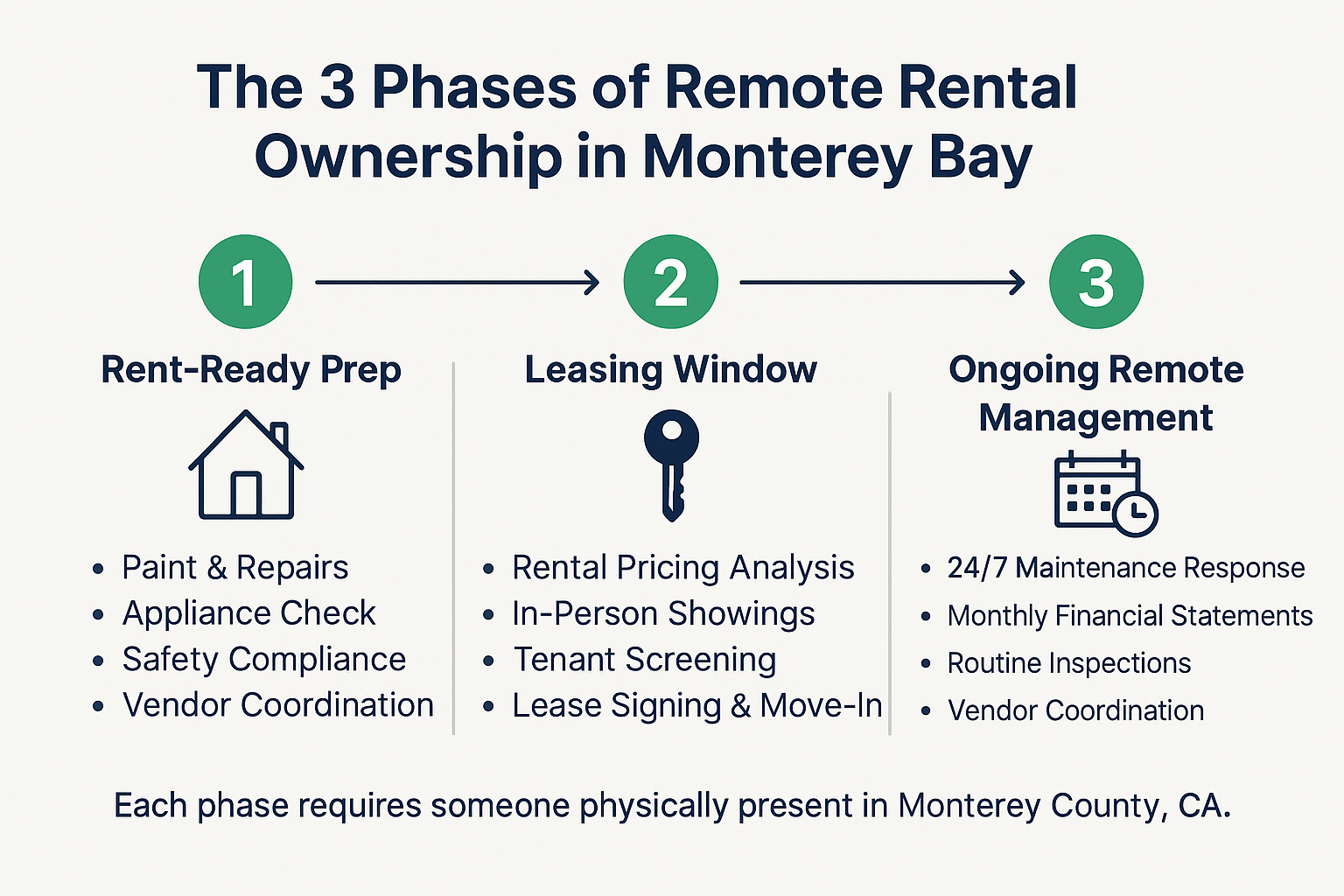
Phase Three: Maintenance From a Distance, Where Remote Ownership Most Often Breaks Down
Once a tenant is in place and you are a few hundred or a few thousand miles away, the day-to-day reality of ownership shows up fast. And the place it shows up most painfully is maintenance.
The Monterey Bay contractor market is tight. Good licensed plumbers, electricians, and HVAC techs stay booked. During summer, trades are stretched. After significant rainfall, and we see real water intrusion events across Seaside, Marina, and the Salinas Valley every wet season, emergency service calls spike across the whole peninsula simultaneously. An owner trying to find a licensed plumber on a Sunday from Houston is solving a fundamentally different problem than a local manager who already has standing relationships with trusted vendors and can get someone out the same day.
This is not a small distinction. A slow response to a water leak can turn a $400 repair into a $4,000 remediation. The California Department of Consumer Affairs notes that unlicensed contractor work creates real liability exposure for property owners, which means it matters not just who responds, but who they are.
Beyond emergencies, routine maintenance coordination requires local knowledge:
- Knowing which vendors are reliable and which overpromise
- Following up to confirm work was actually completed and done correctly
- Documenting repairs in a way that protects you legally if a dispute arises
- Flagging small issues during inspections before they become expensive
For owners with vacant properties, second homes, or properties between tenants, what can go wrong in an empty house is a genuinely important read, because vacancy risk is different from occupied-property risk and often gets no attention until there is a problem.
Financial Reporting: What Out-of-Area Owners Actually Need
Rent hitting your bank account is not the same as understanding your investment. I hear from out-of-area owners regularly who have been receiving monthly deposits for years and have no idea what their actual net income is after maintenance, vacancy, and fees.
What a proper owner reporting setup looks like in practice:
- Monthly statements that break out gross rent collected, management fees, individual maintenance expenses with descriptions, and any other disbursements
- Year-end summaries in a format that makes tax filing straightforward, owners should not be reconstructing the year from bank statements
- Income projections before a property is listed, so the owner can evaluate whether renting makes financial sense compared to selling
- Owner portal access so you can pull documents, review payment history, and check on maintenance requests without making a phone call
Several owners who contacted us before they had even listed their property specifically asked for income forecasts and year-end summaries. That is a smart question. Knowing what the property will realistically generate, after all costs, is the foundation of any good decision about whether to rent, how long to hold, or when to reinvest in improvements.
For a plain-language breakdown of what professional management actually costs and what that gets you, what property management costs in the Monterey Bay area lays it out clearly.
And if you have been managing on your own and are considering the transition, how to hand off a rental you have been managing yourself walks through what that process actually looks like.
Remote Ownership: What You Can Handle Yourself vs. What Requires a Local Presence
This is not an exhaustive list, but it reflects the division most out-of-area owners run into when they try to self-manage from a distance.
| Task | Manageable Remotely? | Why It Matters Locally |
|---|---|---|
| Rent collection and payment tracking | Yes, with an online portal | Automated systems handle the mechanics, late fee rules vary by California law |
| Setting the right rental price | Rarely | Monterey Bay submarkets shift; Salinas and Pacific Grove are not the same market |
| Conducting in-person showings | No | Tenants expect to walk the property; virtual-only tours reduce applicant quality |
| Tenant screening and lease execution | Partially | Credit checks can run online; lease signing and move-in inspection require physical presence |
| Emergency maintenance response | No | Contractor relationships and same-day response require a local network |
| Routine property inspections | No | Photo-documented walkthrough reports require someone on the ground |
| Year-end financial summaries | Yes | Can be delivered digitally, quality depends on how well monthly records were kept |
| Coordinating repairs after storm damage | No | Monterey County weather events (especially El Nino winters) require fast local response |
A Note on the Reluctant Landlord
There is a specific type of owner I want to speak to directly, because I see this situation more and more. You bought your home when rates were lower. Selling now does not make financial sense. So you are renting instead, not because you set out to be a landlord, but because the math left you with no better option.
This is different from investing. You have a relationship with that property. You may plan to come back to it someday. The thought of a stranger living there, and something going wrong, is not abstract anxiety, it is a reasonable concern based on what you know can happen.
What I would tell you is this: professional management is not just a transaction service. It is a way to protect your relationship with a property you care about. Regular inspections, documented condition reports, responsive maintenance, and careful tenant placement all add up to a property that comes back to you in the same shape you left it, or better.
For owners in that position, when self-managing your rental stops making sense addresses the decision honestly, without pushing you toward any particular answer.
Frequently Asked Questions About Managing a Monterey Bay Rental Remotely
How do I know what my Monterey Bay property will actually rent for before I leave?
A reliable rental price estimate comes from current, local comparable data, active listings in your specific neighborhood, recent lease comps, and seasonal demand patterns. Online estimates like Zillow's Rent Zestimate can be a starting point but are often off by $200 or more in submarkets like East Garrison, the Dunes in Marina, or central Salinas. A local property manager who is actively leasing in your area can give you a realistic range and explain what prep work, if any, would move that number up.
Can I manage a Monterey Bay rental myself from out of state?
Technically yes, some parts of it. Rent collection, owner accounting, and document storage can all be handled digitally. But showings, move-in inspections, emergency maintenance response, and routine property inspections require a physical presence. Most remote self-managers hit a wall the first time there is a maintenance emergency or a tenant dispute, and that is usually when they call us.
What happens to my property between tenants if I'm not local?
Vacancy is one of the riskier periods for a property. Without regular inspections, small problems, a slow leak, a pest entry point, storm damage, can go unnoticed for weeks. If you are out of the area, you need someone making regular, documented visits to the property during any vacancy. Our Seasonal Property Maintenance Program handles this with quarterly exterior and interior checks and photo-documented reports sent directly to the owner.
Is there a California law that affects my security deposit as a landlord?
Yes. As of July 1, 2024, California limits security deposits to one month's rent for most residential rentals, down from two months for unfurnished units. This is now the law statewide regardless of city. It affects how much protection you have upfront if a tenant causes damage, which makes thorough move-in documentation and careful screening even more important.
What does a monthly owner statement actually tell me?
A well-prepared monthly statement breaks out your gross rent collected, the management fee deducted, every maintenance expense with a description of what the work was, any other fees or payments made on your behalf, and your net owner disbursement for the month. It should be clear enough that you can hand it to your accountant at year-end without any additional explanation. If your current reporting is just a deposit confirmation, that is not enough information to evaluate your investment.
I'm a military homeowner with PCS orders, what should I do with my Monterey Bay property?
This situation comes up often in the Monterey area given the Naval Postgraduate School and other installations. The Servicemembers Civil Relief Act has provisions that may affect your lease obligations as a departing tenant, but as a property owner, your main priorities are pricing the property correctly, placing a vetted tenant before you leave, and having a local manager in place who can handle everything from maintenance to lease renewals while you are at your next duty station. PCS orders and your Monterey Bay home covers this situation in more detail.
Ready to Talk Through Your Situation Before You Leave?
If you are preparing to move out of the Monterey Bay area and are not sure whether renting makes sense, what your property would realistically bring, or what professional management actually involves, we are happy to walk through it with you, no pressure, just a real conversation. Our team serves owners across Monterey, Salinas, Pacific Grove, Seaside, Marina, and Carmel, and we know this market well enough to give you honest answers. Reach us at (831) 582-8916 or through the contact form at torrenteproperties.com.

Renting Your Home Furnished in the Monterey Bay Area: What Landlords Should Know
Over the past several months, I've fielded the same question from multiple owners across Monterey Bay: does renting furnished actually pay off? One owner in Marina was preparing to leave in two to three months and wanted to rent a furnished studio. Another was targeting Naval Postgraduate School students in Monterey. A third had a fully remodeled condo and wanted to know whether adding furniture would justify a higher rent.
The honest answer is that it depends, and not in a vague way. The premium varies considerably by neighborhood, property size, and the quality of what you leave inside. A furnished one-bedroom in Seaside draws a different pool of tenants at a different price point than a furnished condo near downtown Monterey.
Before you decide to leave your furniture behind, there are three things worth understanding clearly: whether the premium is real in your specific submarket, what the California security deposit cap means for your contents, and why your documentation has to be airtight before the tenant moves in.
Does Furnished Actually Mean More Money in Monterey Bay?
Sometimes yes, sometimes the math is closer than people expect. Furnished units in Monterey Bay tend to draw a specific kind of tenant: someone on a temporary assignment, a military member at the Naval Postgraduate School or the Defense Language Institute, or a professional who relocated for work and hasn't found a permanent home yet. These tenants are often reliable payers, but they also want shorter lease terms or a clear end date built in.
In submarkets with high military and government presence, like Monterey and parts of Seaside, furnished units can realistically see 15 to 30 percent higher monthly rents compared to an unfurnished equivalent, depending on condition and what's included. But that range reflects general market context, not a guarantee for your specific property. I've seen furnished units sit longer than unfurnished ones when the furniture was dated or the location wasn't well matched to the transient tenant pool.
For owners in Marina, Salinas, or Pacific Grove, the furnished premium tends to be smaller and harder to predict. How Monterey Bay rental prices actually get set is worth reading before you set any number, furnished or not. Accurate pricing is the single biggest factor in how fast your unit leases.
One thing owners consistently underestimate: furnished doesn't just mean more rent, it also means more wear. A couch takes abuse. Mattresses get stained. Small appliances disappear or break. If those items belong to you, they're your replacement cost.

The Security Deposit Problem Nobody Mentions Upfront
California tightened the security deposit cap on July 1, 2024. For most residential landlords, the limit is now one month's rent, regardless of whether the unit is furnished or unfurnished. That cap has not changed to account for the higher value of contents inside a furnished unit.
Think about what that means in practice. If you're renting a furnished home with a leather sofa, a bedroom set, a dining table, and appliances, you might have $8,000 to $15,000 or more in personal property inside that unit. Your deposit might cover $2,500 or $3,000. If a tenant causes serious damage to multiple pieces of furniture, you are absorbing the difference.
This doesn't mean furnished rentals are a bad idea. It means you need to go in with clear eyes. A few things that matter here:
- Only leave furniture you can afford to lose or replace. Heirloom pieces and high-end items don't belong in a rental.
- Photograph every item at move-in, with timestamps.
- Document condition in writing with a signed inventory addendum before the tenant takes possession.
- Price the rent to account for replacement risk over the likely tenancy period.
I've seen owners get surprised at move-out when a claim falls apart because there was no documentation. Without a signed, itemized inventory at move-in, deductions are almost impossible to defend, in California or anywhere else. The California Courts Self-Help Guide on security deposits outlines what landlords can and cannot deduct, and the rules favor documented evidence over memory.
Furnished vs. Unfurnished Rental: What Changes for Monterey Bay Owners
This side-by-side comparison covers the key differences owners should weigh before deciding whether to rent their Monterey Bay home furnished.
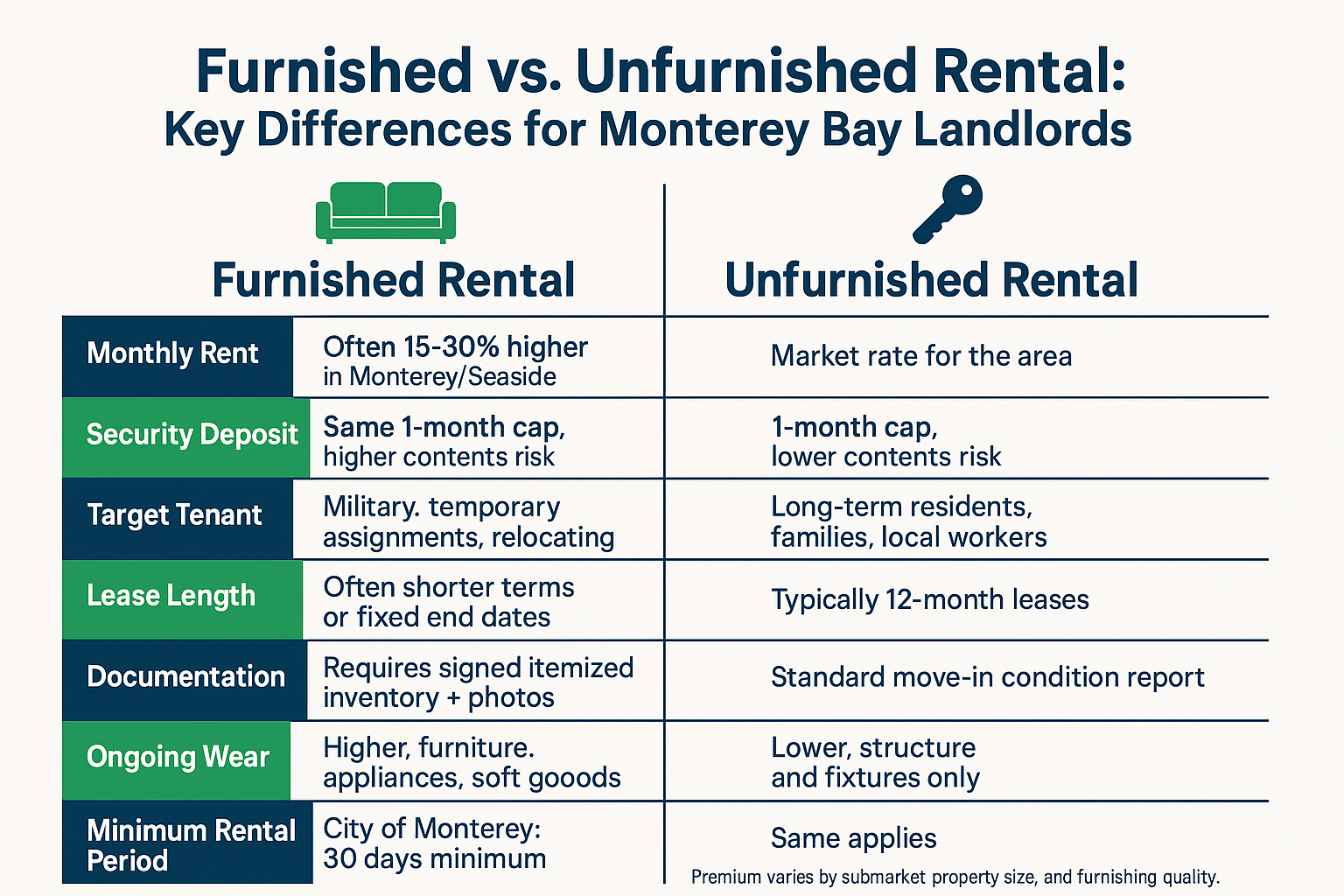
Documentation Before You Leave Is Non-Negotiable
This point matters more for owners who are renting furnished because they're relocating, which describes a large share of the owners I talk to. If you're moving out of the area before your tenant moves in, you will not be there to observe anything firsthand. Every piece of protection you have will come from the paperwork you created before you left.
The baseline for a furnished rental should include:
- A complete itemized inventory listing every piece of furniture, every appliance, and every notable item by room
- Condition notes for each item (scratches, existing wear, age)
- Timestamped photographs of every room and every significant piece of furniture
- A signed inventory addendum attached to the lease, acknowledged by the tenant at move-in
Without all four, you're relying on goodwill at move-out. That's a bad position.
For owners leaving in a compressed timeline, this feels like a lot. But it's the kind of thing that takes a few hours upfront and saves a real argument two years later. Getting a Monterey Bay rental ready before tenant move-in covers the broader preparation process, including compliance items that also need to be in order before anyone occupies the unit.
One thing that often gets missed: the City of Monterey prohibits rentals under 30 days, so if you're thinking of a furnished rental there, you're looking at traditional tenants on monthly or annual terms, not anything resembling a vacation rental. That shapes who you're marketing to and what lease structure makes sense.
Furnished Rental Documentation Checklist
These are the documents and records I recommend every furnished rental owner have in place before the tenant takes possession.
| Document / Record | What It Covers | Why It Matters |
|---|---|---|
| Signed Lease Agreement | Rent amount, term, furnishing terms, tenant obligations | Establishes the legal relationship and any special furnished-unit clauses |
| Itemized Inventory Addendum | Every piece of furniture, appliance, and fixture by room | Required to support any deduction claim at move-out |
| Timestamped Move-In Photos | Visual condition of all rooms and items at occupancy | Backs up written condition notes in any dispute |
| Appliance Age and Condition Notes | Age, brand, and current condition of each appliance | Establishes baseline for wear vs. damage at move-out |
| Signed Tenant Acknowledgment | Tenant confirms inventory and condition at move-in | Prevents 'I never saw that' claims later |
Staying on Top of Condition When You're Not Around
Furniture and soft goods deteriorate faster than a building does. A broken appliance, a water stain on an upholstered chair, or a damaged mattress doesn't get reported by a tenant who either doesn't notice or doesn't want to cause friction. If you're managing from out of the area, you may not know about it until move-out, when it's too late to address it under the tenancy.
This is the same reason out-of-area owners benefit from regular in-person property checks, whether their home is rented or sitting empty. Out-of-area owners managing a Monterey Bay rental covers the practical logistics of remote ownership in more detail, including what things tend to go wrong when no one is physically checking.
For owners with furnished vacation or seasonal homes, similar logic applies. Even when a property is vacant, contents can be affected by humidity, pests, water intrusion, or deferred maintenance. Owning a second home on the Monterey Peninsula while you're not there is worth reading if your situation involves extended absences rather than an active tenancy.
Regular inspections, documented with photos and condition notes, are the only way to stay ahead of deterioration in a furnished rental. Without them, you're making decisions at move-out with incomplete information.
Frequently Asked Questions About Renting a Furnished Home in Monterey Bay
How much more rent can I realistically expect for a furnished unit in Monterey?
It varies by property type and location. In areas with strong military and government tenant demand, like central Monterey and parts of Seaside, furnished units have historically rented for 15 to 30 percent more than equivalent unfurnished units. But that's a general range, not a promise for your specific address. Condition of the furnishings, unit size, and how well the property matches the furnished-tenant profile all affect the actual number.
Does the security deposit cap apply differently for furnished rentals?
No. Since July 1, 2024, California's security deposit cap is one month's rent for most residential landlords, and that cap does not change based on whether the unit is furnished. You're taking on more contents risk with a furnished unit without any additional deposit protection. This is why keeping furniture values reasonable and documentation thorough is so important.
Can I rent my Monterey home for just a few weeks at a time to corporate tenants?
Not in the City of Monterey. The City of Monterey prohibits rentals under 30 days, which rules out anything resembling a short-term or corporate-week arrangement. If you're in Monterey, you're looking at month-to-month or longer-term tenancies. Other Monterey Bay cities have different rules, so it's worth confirming the local requirements for wherever your property sits.
What furniture should I leave versus take with me?
Leave items that are in solid condition, easy to replace, and not personally valuable. A good quality sofa, a dining set, and a basic bedroom setup are reasonable. High-end furniture, family heirlooms, or anything you would be upset to replace should come with you. Assume everything you leave will show wear after a tenancy, and price the rent accordingly.
Is a furnished rental a good fit for military tenants from NPS or DLI?
Often yes. Military members and defense contractors on temporary assignments are among the most consistent furnished-rental tenants in Monterey Bay. They tend to be reliable payers and often prefer furnished units because they're moving with limited household goods. The tradeoff is that they typically want defined end dates or short initial terms, so owners need to decide upfront whether they're comfortable with that flexibility or prefer a longer commitment.
Do I need a separate addendum for the furniture inventory, or does the lease cover it?
A standard lease won't capture the level of detail you need. A signed inventory addendum, listing every item by room with condition notes, is separate from the lease itself and should be signed by the tenant at move-in. Without it, you have almost no basis for deducting damage to specific items at move-out.
Have Questions About Renting Your Monterey Bay Home Furnished?
If you're weighing whether to rent furnished, figuring out how to price it, or trying to get your documentation right before you leave the area, we're happy to talk through your specific situation. Our team works with landlords across Monterey, Salinas, Pacific Grove, Seaside, and Marina every day, and furnished rentals come up often enough that we've seen most of what can go right and wrong. Reach us at (831) 582-8916 or through the contact form at torrenteproperties.com.

House Rental Management in Salinas: Unlock Hassle-Free Investment Success!
Are you exhausted from the constant challenges of managing your rental property in Salinas? As a property owner, you're well aware that house rental management in Salinas demands expertise, time, and local knowledge that can be overwhelming to handle alone. I'm Aurelia Torrente, and I empathize with the unique difficulties that Salinas property owners encounter when striving to maximize their investment returns while minimizing stress. Let us take that burden off your shoulders.
Why Professional House Rental Management in Salinas Matters
Regarding your investment property, every vacant day means lost income. Professional house rental management in Salinas ensures your property stays occupied with qualified tenants who pay on time and respect your property. At Torrente Property Management, we've built our reputation on turning potential headaches into hassle-free income streams for property owners like you.
The Salinas rental market is a unique landscape with opportunities and challenges. According to the City of Salinas Economic Development, our region is experiencing a strong demand for quality rental housing, making this an excellent time to optimize your rental property's performance. However, navigating this market requires a deep understanding of local dynamics and regulations, where professional management services can make a significant difference.
Comprehensive House Rental Management Services for Salinas Property Owners: We've Got You Covered
As your local property management company in Salinas, we handle every aspect of your rental property's operation:
Tenant Acquisition and Screening
Finding the right tenant is the most crucial step in Salinas's house rental management. We implement a rigorous screening process that includes:
- Income verification (minimum 3× monthly rent)
- Credit history review
- Rental history verification
- Background checks
- Employment verification
This thorough approach helps us find reliable tenants who will respect your property. Our proven marketing strategies attract a broad pool of qualified applicants for your Available Residential Rentals in Monterey, CA.
Maintenance and Property Preservation
Property maintenance isn't just about fixing what breaks—it's about preserving your investment's value. Our house rental management in Salinas services include:
- 24/7 emergency maintenance response
- Regular property inspections
- Preventative maintenance scheduling
- Trusted local contractor relationships
- Cost-effective repair solutions
We handle everything from routine maintenance to emergency repairs, giving you peace of mind that your property is well-maintained without requiring your time or attention.
Financial Management and Reporting
Transparency is the foundation of our rental property management in Salinas. You'll receive:
- Monthly financial statements
- Annual income and expense reports
- Electronic rent collection
- Security deposit management
- Vendor payment handling
Our detailed financial reporting gives you clear visibility into your property's performance while ensuring all financial transactions are handled professionally and accurately.
Local expertise is invaluable when it comes to house rental management in Salinas.
Choosing a trusted Salinas property manager with deep knowledge of the area's rental market, regulations, and opportunities can make all the difference in the success of your investment.
Choosing a trusted Salinas property manager with deep local knowledge makes all the difference. The Salinas rental market has patterns, regulations, and opportunities that only experienced local professionals understand. Our team's expertise will give you the confidence that your investment is in good hands.
Neighborhood-Specific Knowledge
From East Salinas to Creekbridge, each Salinas neighborhood has its own character and rental dynamics. Our team at Salinas Property Management knows:
- Which areas command premium rents
- Neighborhood-specific tenant expectations
- Local amenities that attract quality tenants
- Emerging neighborhood trends
- School district information that influences rental decisions
This hyperlocal knowledge allows us to position your property effectively in the market, maximizing both occupancy rates and rental income.
Regulatory Compliance
Rental property regulations can be complex and ever-changing. Our apartment property management in Salinas experts stay current with:
- Local housing ordinances
- State landlord-tenant laws
- Fair Housing requirements
- Property licensing and inspection requirements
- Rent control considerations
The Monterey County Housing Authority regularly updates requirements for rental properties. Our team ensures your property remains compliant, helping you avoid potential legal issues and penalties.
Specialized Solutions for Different Property Types
Whether you own a single-family home or multiple apartment buildings, our house rental management services are tailored to your needs.
Single-Family Home Management
For individual homeowners, we provide comprehensive rental property management services that include:
- Strategic rental pricing based on market analysis
- Professional photography and compelling property listings
- Tenant screening and selection
- Lease preparation and enforcement
- Move-in/move-out inspections
Multi-Family and Apartment Complex Management
Our Apartment Complex Property Management Salinas, Monterey Bay Area services address the unique challenges of larger properties:
- Common area maintenance
- Building system management
- Vendor coordination
- Tenant relationship management
- Unit turnover optimization
With our expertise in Salinas apartment property management, we help multi-family property owners maintain high occupancy rates while controlling costs.
The Torrente Property Management Difference
What sets Best Salinas property management apart from other management companies? Our comprehensive approach to house rental management in Salinas focuses on maximizing your return on investment while minimizing your involvement.
Owner-Centric Approach
As property owners ourselves, we understand your priorities:
- Maximizing rental income
- Minimizing vacancies
- Preserving property value
- Reducing management headaches
- Building long-term wealth through real estate
Our Property Management Services for the Monterey Bay Area are designed to align with these goals. We treat your investment as carefully as we would our own.
Tenant Retention Strategies
Finding good tenants is essential, but keeping them is equally valuable. Our Salinas property managers implement proven tenant retention strategies:
- Responsive maintenance service
- Clear communication channels
- Fair rent adjustment policies
- Property improvements that add value
- Professional conflict resolution
These approaches help reduce costly tenant turnover while creating stable, predictable income from your rental property.
Serving the Broader Monterey Bay Region
While we specialize in house rental management in Salinas, our services extend throughout the Monterey Bay region. From Professional Management for Residential and Commercial Properties in Monterey to property management in Santa Cruz, Pacific Grove, Carmel, and King City, we provide the same level of excellent service across all communities we serve.
Our central office at 200 Camino Aguajito, Suite 303, Monterey, CA 93940, allows us to serve the entire region efficiently. We combine the personal touch of a local company with the capabilities of a more prominent management firm.
Getting Started with Professional House Rental Management in Salinas
Ready to experience the benefits of professional property management? The process is simple:
- Contact Us for an initial consultation
- Receive a customized management proposal
- Sign a management agreement
- We handle everything from there!
For tenants, we'll Help You Find The Perfect Rental that meets your needs and budget, creating win-win relationships between property owners and quality residents.
Our property management company, the Salinas team, is ready to show you how professional management can transform your rental property experience.
FAQs About House Rental Management in Salinas
Where can I find Salinas rental property services near me?
Torrente Property Management offers professional rental property services at 200 Camino Aguajito, Suite 303, Monterey, CA 93940. We serve Salinas and surrounding communities with comprehensive property management solutions tailored to your needs.
Where can I find investment property management services in Salinas near me?
Torrente Property Management offers complete investment property management services throughout Salinas and the Monterey Bay. Our team maximizes property investors' returns through effective management strategies and local market expertise.
What services are included in house rental management in Salinas?
House rental management in Salinas typically includes tenant screening and placement, rent collection, maintenance coordination, financial reporting, lease enforcement, and property inspections. At Torrente Properties, we provide all these services plus strategic rental pricing and marketing to maximize your property's performance.
How much does property management cost in Salinas?
Property management fees in Salinas typically range from 7% to 10% of monthly rent, depending on the property type and services included. Additional costs for tenant placement, inspections, or other specialized services may apply. Contact us for a customized quote based on your specific property needs.
How do you screen tenants for rental properties in Salinas?
Our tenant screening process includes income verification (minimum 3× monthly rent), credit checks, employment verification, rental history review, and background checks. This comprehensive approach helps us identify reliable tenants who will care for your property and pay rent on time.
What areas around Salinas do your property management services cover?
Our house rental management services cover Salinas, Monterey, Santa Cruz, Pacific Grove, Carmel, and extend south to King City. We provide consistent, high-quality management throughout the entire Monterey Bay region.
How quickly can you fill vacant rental properties in Salinas?
While timeframes vary based on property condition, location, and market conditions, our average vacancy period is less than 30 days. Our extensive marketing reach and pre-screened tenant database help us minimize vacancy periods for your Salinas rental property.
Do you handle maintenance issues for Salinas rental properties?
Yes, we manage all maintenance issues, from routine repairs to emergencies. We work with trusted local contractors to ensure quality work at reasonable prices and provide 24/7 emergency maintenance support for tenants.
What makes Salinas a good market for rental property investment?
Salinas offers a strong rental market driven by agricultural employment, healthcare jobs, and proximity to higher-priced coastal communities. With relatively affordable purchase prices compared to rental rates, investors can achieve attractive returns on investment properties in Salinas.
How often will I receive updates about my Salinas rental property?
We provide monthly financial statements showing all income and expenses for your property. We also conduct regular property inspections and provide detailed reports on its condition. Thus, you'll always have clear visibility into its performance and status.
For more information about our house rental management in Salinas services, please call our office at (831) 582-8916 or torrenteproperties@gmail.com. Our team at Torrente Property Management is ready to help you maximize the potential of your rental property investment.
CalBRE# 02053751